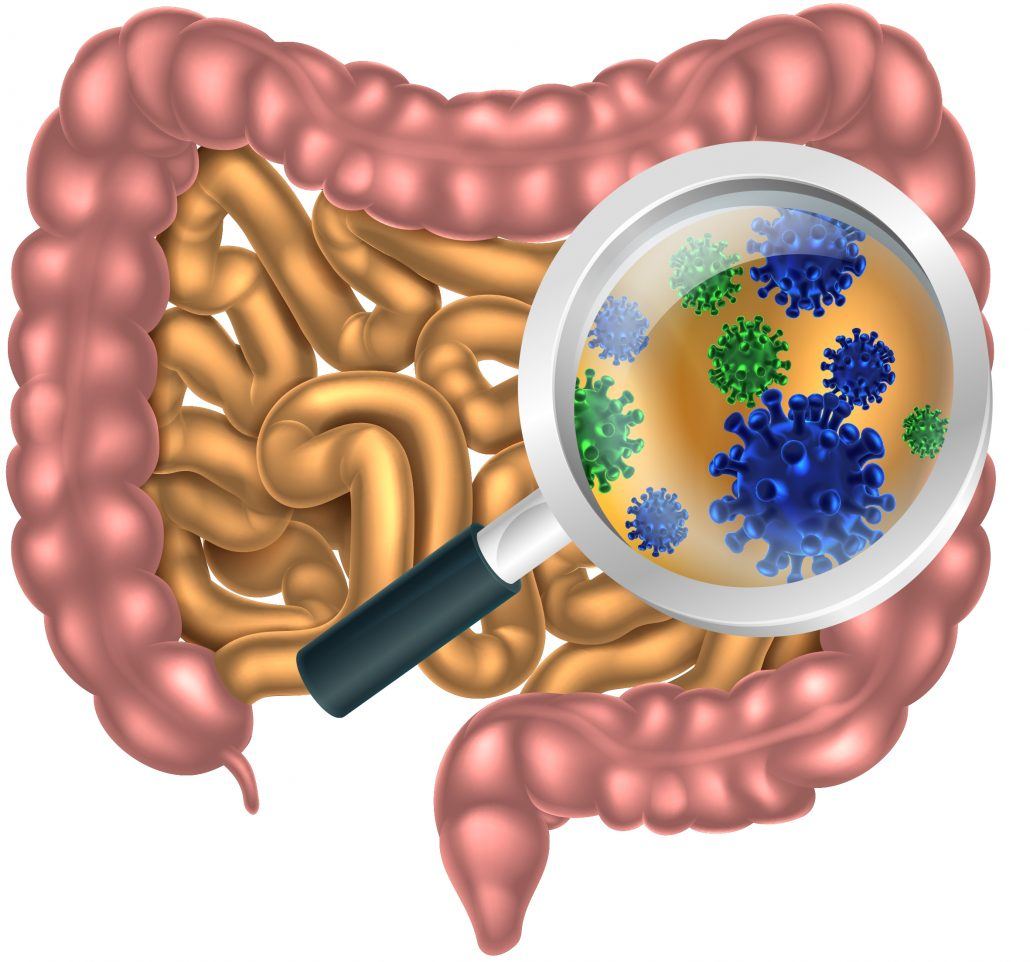
In your gut, you really are what you eat. Food is a big factor in determining your microbiome. That’s the collection of bacteria, fungi, yeast, and other microbes living in your digestive tract.
But the impact of your food choices spreads beyond your microscopic friends.
A new article in Advances in Nutrition tackles the way dietary fiber—a variety of indigestible carbohydrates—can influence your liver and kidneys. It’s well-known that dietary fiber benefits human health. But the review of over 150 studies summarizes fiber’s influence on your detoxification organs.
How Dietary Fiber Makes an Impact
The process starts with dietary fiber feeding the growth of beneficial microbes. Then the microbes contribute to:
Gut barrier function
Immune function in your digestive tract
Endocrine (hormone) response
Nitrogen metabolism
Signaling between the gut, liver, and kidneys
These consequences in the gut are good for the liver and kidneys, too. Which makes total sense. Your gut supplies blood to these organs through the portal vein. So shifts in microbe activity and diet impact the liver and kidneys.
For example, enhanced gut-barrier function protects your key detox organs from the spread of bacteria that stimulate inflammation. That allows your liver and kidneys to focus on metabolism and detoxification.
More Good News for Your Liver
Dietary fiber has been shown to increase the activity of antioxidant and detox enzymes in your liver. It can alter bile acid pools. These pools are involved in liver metabolism and the absorption of fats and fat-soluble vitamins. Dietary fiber also supports the microbiota that help generate secondary bile acids.
A surprising finding also links dietary fiber and the body’s fat-burning state (ketosis). This is accomplished by altering patterns of gene expression and the products of metabolism. The new patterns look like those found during the body’s fasting state. That’s when your body is burning energy from fat storage.
Don’t Forget Your Kidneys
Nitrogen is central to the findings about the kidneys and dietary fiber.
When you feed your gut microbes dietary fiber, you increase your gut’s ability to contain more nitrogen. In the gut, nitrogen acts as a fertilizer for the microbes. So the microbiome uses more of the nitrogen produced. That keeps too much nitrogen gas from escaping through the portal vein to your detox organs. Reducing your kidneys’ nitrogen burden is important.
Dietary fiber also helps insulate your kidneys from other potential stresses. Not having enough fiber fermenting in your colon allows other substances to undergo fermentation. When things like amino acids ferment, they can produce harmful products that stress your kidneys. So keep your colon stocked with dietary fiber—for your kidneys’ sake.
Feed Them Fiber
Dietary fiber plays a significant role in supporting good health. And it’s clear most people don’t get enough of it. In fact, the 2015 Dietary Guidelines Advisory Committee made fiber a nutrient of concern.
This decline in fiber intake isn’t new, though. It’s been sliding since the Industrial Revolution. And what follows is decreased microbial diversity in our guts.
Dietary fiber probably won’t ever be cool or hip. But it’s not just for old people. Everyone could do their detox organs a favor. The research shows you can help protect your liver and kidney health, and support the important detox work these organs do. All it takes is getting your guts’ microbial tenants some dietary fiber.
https://askthescientists.com/wp-content/uploads/2017/06/grain.jpeg8001200David BakerDavid Baker2017-06-26 08:36:092022-07-05 10:15:45Your Detox Organs Need Dietary Fiber
The liver is an essential organ. It plays a role in metabolism, digestion, energy storage, and hormone production. It is also the major detoxifying organ in the body.
Detoxification in the liver is broken into two categories. They are known as Phase I and Phase II liver detoxification pathways.
Phase I Liver Detoxification Pathway
Phase I liver detoxification is the first line of defense against toxins. It consists of a group of enzymes known as the cytochrome P450 family. The enzymes help neutralize substances like alcohol and caffeine. They offer protection by converting these toxins into less harmful ones.
The byproducts of Phase I liver detoxification can still pose a toxic threat to the body. If the toxins are allowed to build up and stay in the liver, they can damage DNA and proteins. It is the role of Phase II liver detoxification, to make sure that those toxins do not build up. Which provides final neutralization of the toxins so that they can be removed by the body.
Phase II Liver Detoxification Pathway
Phase II liver detoxification neutralizes the byproducts of Phase I liver detoxification and other remaining toxins. This is done by making the toxins water-soluble. That way they can be excreted from the body. This process is known as conjugation. Glutathione, sulphate, and glycine are the primary molecules responsible for this process.
Under normal conditions, Phase II liver detoxification enzymes produce low levels of glutathione. Under times of high toxic stress the body increases production of glutathione.
Glutathione
Glutathione is so important for humans, it is known as the “master antioxidant.” It is called this, because it is the most abundant antioxidant in the body and it can regenerate itself in the liver.
Glutathione is found in asparagus, avocado, spinach, broccoli, and some supplements. Sadly, food sources of glutathione are poorly absorbed into the body. Digestive enzymes can break it down before it can be absorbed. There is also no direct transport system for glutathione.
Although glutathione is poorly absorbed, diet does play a part in the body’s levels. The body needs key building blocks to manufacture glutathione. Certain foods and nutrients are known to provide them. Eating these building blocks can increase the body’s production of glutathione. These include selenium, vitamin E, cruciferous vegetables, alpha-lipoic acid, milk thistle, and cysteine.
Vitamin C
Vitamin C is also important in liver detoxification pathways. It helps protect liver detoxification enzymes, created in phase I and phase II liver detoxification pathways, from oxidative damage. Vitamin C helps protect liver tissues from oxidative damage. Some research also suggests that vitamin C may play a role in toxin removal.
Vitamin C is tightly controlled in the body. Blood levels are mainly determined by vitamin C intake and kidney regulation. Research shows that some phytochemicals may increase plasma vitamin C, even in the absence of vitamin C consumption.
Foods richest in vitamin C
cantaloupe
grapefruit
honeydew
kiwi
mango
oranges and other citrus fruits
strawberries
watermelon
Clinical Research on Increasing Glutathione Production
Scientists conducted a double-blind, placebo-controlled study on a blend of nutrients. The purpose was to determine if they promoted increases in plasma glutathione and vitamin C.
The study intervention group used a supplement provided by USANA Health Sciences. The supplement contained biotin, choline, milk thistle extract, N-acetyl L-cysteine, alpha-lipoic acid, broccoli concentrate, green tea extract, olive fruit extract, and turmeric extract.
Fifteen healthy volunteers participated in the study. Subjects were given the study treatment or placebo for 28 days. On days 1, 14, and 28, blood samples were drawn to measure plasma vitamin C and glutathione.
Study Results
Treatment increased plasma glutathione two hours following the first treatment and significantly increased plasma glutathione eight hours after treatment.
Plasma glutathione levels increased 74 percent by the end of the study.
Treatment significantly increased plasma vitamin C as soon as two hours
following the first treatment. This was maintained during the entire acute phase (0-8 hour time points)
The results showed a synergistic effect of these nutrients. The treatment formula boosted both glutathione and vitamin C levels. It upregulated the body’s ability to utilize glutathione in detoxification reactions. It also increased the body’s antioxidant capacity.
A follow-up report showed that the increases in both glutathione and vitamin C have clinical benefits. Subjects taking the treatment supplement were significantly more resistant to oxidative damage than those taking the placebo.
Study Conclusion
The results back up previous research showing that some phytochemicals may increase plasma vitamin C, even in the absence of vitamin C consumption. It also offers a specific blend of ingredients that can be used to increase the body’s glutathione production.
Science has come a long way since the simplistic admonition in the 1980s for Americans to eat less fat.
It has taken nearly 30 years to officially reverse some recommendations about cholesterol and fat intake, even with relatively strong evidence that the recommendations were not based on current scientific evidence. Also, contrary to our thought process in the 1980s, it isn’t as simple as “saturated fats are bad” and “unsaturated fats are good.”
It was that exact overly simplistic thinking that resulted in the near extinction of tropical oils from the food supply and the explosion of hydrogenated vegetable oils (think trans-fat). The truth of the matter is that not all polyunsaturated fats are healthy, nor are all saturated fats unhealthy.
There has also been a shift in what most experts agree is a healthier macronutrient ratio of carbohydrates, proteins, and fats. The long-time recommendation to eat low fat and high carbohydrate has now been adjusted to slightly increase fat and decrease carbohydrates to a more moderate level of both.
Although most experts would still agree with the fact that fats derived from plant sources, which are primarily unsaturated fats, should comprise the majority of fat intake, some research has indicated that replacing all saturated fat with carbohydrates may actually worsen heart health and disease risk.
So, as it turns out with most nutrition and health related subjects, the best advice is balance and moderation.
The most recent evidence indicates that replacing saturated fatty acids with MUFAs or carbohydrates does not improve endothelial function, nor does it decrease coronary heart disease risk. Endothelial cells are cells that line the inner blood vessels that mediate coagulation, platelet adhesion, immune function, and control the dilation and narrowing of blood vessels (called vasodilation and vasoconstriction). Endothelial dysfunction is thought to be a key event in the development of atherosclerosis, a disease in which plaque builds up inside your arteries.
Saturated fats have a big advantage over polyunsaturated fats when it comes to stability. They are much less prone to oxidation and rancidity. Even the healthiest of polyunsaturated fats becomes unhealthy once it is oxidized. This is a real potential concern in processed products that require a fairly long shelf life.
It may take many more years for the official recommendations to catch up with science when it comes to saturated fat, but the evidence is mounting. Until then, our mission is to provide the healthiest and best quality products based on current science. Currently, the science says get a variety of fats from healthy sources such as nuts, seeds, fruits and vegetables (avocados, olives), and that our avoidance and fear of saturated fats (especially from tropical plants) has been largely exaggerated and unnecessary.
This article appeared previously on the following websites:
https://askthescientists.com/wp-content/uploads/2017/06/coconut.jpg478732Russ BartonRuss Barton2017-06-19 10:42:542022-07-05 10:18:11Saturated Fat: The Shift in Expert Recommendations
Nearly everything you consume passes through your liver, making its health essential to everyday wellness. USANA Hepasil DTX supports normal liver function and helps promote your body’s natural detoxification processes.*
Hepasil DTX includes technologies and ingredients that have been evaluated in human clinical research. In a study of healthy adults, researchers reported the following findings:
Supporting natural detoxification processes—in a human clinical study, glutathione levels were observed to be 74% higher after 28 days*
Sustaining antioxidant capacity—in a human clinical study, overall antioxidant capacity was observed to be 62% higher after 28 days, along with maintenance of vitamin C status*
In addition to supporting your liver function, many of the ingredients in Hepasil DTX also provide antioxidant activity to help protect cells from damaging oxidative stress.*
Hepasil DTX is a powerhouse supplement for liver and detoxification support.*
Why Liver Support Matters
Nearly everything you consume passes through your liver, making it essential to everyday wellness. Healthy lifestyle habits and advanced daily support like USANA Hepasil DTX can help maintain liver function and support your body’s natural detoxification processes.*
After passing through the digestive tract, almost everything you consume—food, drinks, medications, supplements—goes through your liver. Your liver is responsible for filtering everything you consume, breaking down nutrients into forms your body can use, and producing and storing substances your body needs for energy and other functions.
Because the liver is such a hardworking organ, it’s important to keep it healthy by managing daily stressors and adopting beneficial lifestyle habits. Here is a list of practices to help maintain your liver:
Limit your alcohol intake: Recommendations are one drink or less per day for women, and two drinks or less per day for men.
Eat a healthy diet: Reduce your intake of excess sugar and fatty foods and focus on eating plenty of fruits and vegetables.
Use medications safely: Always follow prescriptions and avoid misusing any medications.
Minimize toxin exposure: Wear protective equipment when using cleaning and gardening products and try to avoid high amounts of environmental pollution.
Maintain a healthy weight: Avoid overeating and get adequate exercise to help maintain a healthy weight.
Stay hydrated: Drink enough water throughout the day.
Practice good hygiene: Wash your hands and maintain hygiene habits that support overall wellness.
You can also help your liver thrive with advanced daily support. Add USANA’s Hepasil DTX to your healthy lifestyle to help maintain liver function and support your body’s natural detoxification processes.*
How Healthy Detoxification Works
The liver detoxifies harmful compounds through a multi‑phase process supported by antioxidants like glutathione. Hepasil DTX provides nutrients that help maintain balanced detoxification pathways, support antioxidant capacity, and promote healthy glutathione levels for ongoing liver support.*
Many toxic compounds that enter the body, such as alcohol, metabolic byproducts, medications, pollutants, and environmental chemicals, cannot be directly neutralized. Liver detoxification is the process of chemically modifying these toxins so that they can be safely excreted from the body. This detoxification process happens in three phases.
PHASE I
During Phase I, enzymes begin transforming toxins by joining the toxic molecules with other reactive molecules. This is primarily a preparation step to make toxins more recognizable and workable by the body in Phase II detoxification. Unfortunately, this initial oxidation can make some compounds more toxic. However, your body has a second phase of detoxification that kicks in to defuse the situation.*
PHASE II
In the second phase of detoxification, the highly reactive molecules that come out of phase I detoxification are combined with various compounds that neutralize them. These are known as Phase II detoxification enzymes. Glutathione, amino acids, and methyl groups are all included in this process (along with other substances).*
PHASE III
Once the Phase I byproducts are chained to water‑soluble molecules in Phase II, Phase III enables these byproducts to be transported and excreted from the body in bile or urine.*
THE DETOXIFICATION PROCESS
It’s important that the phases of the detoxification processes are balanced properly. You need Phase I enzymes to start the process. Then it’s vital that there are enough Phase II enzymes to ensure the reactive molecules are neutralized to maintain cellular function and support healthy aging.*
The natural detoxification process is dynamic, with a lot of reactions and conversions happening as substances are metabolized. This process can generate a lot of free radicals. Enzymes like glutathione can defend against damaging oxidative stress to maintain the health of your liver cells.*
Glutathione is a master detoxifier. In addition to its action as a Phase II detoxification enzyme, glutathione helps the liver regulate lipid, glucose, and amino acid use by the body. It supports the removal of formaldehyde produced during normal metabolism. It also supports healthy liver cells by acting as an antioxidant.*
Unfortunately, glutathione from food or supplements is inefficiently absorbed. It’s best to give your body what it needs to make it. In addition to having enough protein from your diet, a number of micronutrients can help support this process. That’s where Hepasil DTX comes in. It supplies your body with plenty of nutrients it can use to help keep these natural detoxification reactions in balance.*
The ingredients in Hepasil DTX have been shown to support healthy circulating glutathione levels following supplementation. Research also suggests it may help preserve other antioxidants, including vitamin C. This is notable because Hepasil DTX does not contain vitamin C itself. Vitamin C status has traditionally been associated with direct vitamin C intake, but USANA research show that the antioxidant support offered with Hepasil DTX may help optimize both circulating and tissue vitamin C levels.*
What Makes Hepasil DTX Unique
USANA Hepasil DTX combines exclusive technologies and targeted nutrients to support liver detoxification and metabolism. Ingredients like biotin, choline, and antioxidant‑rich phytonutrients help maintain healthy detox pathways, support glutathione production, and defend cells from oxidative stress.*
Taking a daily supplement like USANA Hepasil DTX can help support your liver’s essential detoxification and metabolic functions. Hepasil DTX is formulated with several technologies exclusive to USANA and designed to work with your body’s natural processes, including:
USANA InCelligence Technology, which helps activate key natural detoxification pathways*
Olivol, a concentrated olive‑fruit extract developed by USANA scientists and included in the InCelligence Detox‑Support Complex*
Nutritional Hybrid Technology, which allows for a unique combination of ingredients delivered at a potency that may not be available in many other products.
BIOTIN & CHOLINE
Your liver uses many nutrients to drive key parts of the metabolism process. Hepasil DTX is an excellent source of biotin and choline to help ensure you have plenty of both nutrients, so your liver can help keep you energized.*
Biotin
Your liver uses biotin to form metabolic enzymes, substances that cause chemical reactions to break down and change macronutrients, like carbohydrates and protein, into usable compounds. These biotin-dependent enzymes don’t just break nutrients down, they help your liver make substances your body needs for energy, like fatty acids and glycogen (a type of sugar your body uses for fuel).*
Choline
Not only is choline necessary for supporting normal detoxification reactions, but your body also uses choline to mobilize many steps of the metabolic process. One of the most important uses is helping to create phosphatidylcholine (a type of lipid) and betaine (an amino acid). These compounds are vital for helping to move fats and cholesterol out of your liver. This vitamin-like substance is also necessary for supporting normal detoxification reactions.*
Your body can make some choline, but it also needs a steady supply from the diet. Unfortunately, many people don’t eat enough foods with choline (e.g. liver, eggs, fish, chicken, soybeans, mushrooms, etc.). Additional choline could be even more important if you regularly participate in endurance sports (such as triathlons and marathons). Strenuous physical activity has been shown to reduce plasma choline concentrations by about 40 percent.*
INCELLIGENCE DETOX-SUPPORT COMPLEX
Hepasil DTX’s InCelligence Detox Support Complex provides a unique blend of phytonutrients designed to activate key cellsignaling pathways that support your body’s natural detoxification processes. These ingredients help support glutathione production and optimze antioxidant activity, giving your liver the support it needs to stay healthy and resilient.*
This proprietary combination—including milk thistle, green tea, cystine, ALA, Olivol, curcumin, and broccoli concentrate—helps your body produce and maintain essential antioxidants and protective enzymes. Together, they reinforce your liver’s natural defenses and support overall cellular health.*
Milk thistle (Silybum marianum) extract
The extract in Hepasil DTX is derived from the seeds of the milk thistle fruit. Milk thistle is one of the most frequently used herbal extracts for maintaining the health and function of liver cells. It provides a concentrated amount of the active ingredient silymarin. Recent research revealed silymarin’s benefits may come from its ability to help support regulating important cell-signaling pathways for stimulating liver enzymes. It also promotes the production of your body’s natural antioxidants.*
N-acetyl L-cysteine (NAC)
Hepasil DTX supplements the amount of this amino acid naturally made from L-cysteine in your body. It helps your body make its own glutathione (a powerful antioxidant) to maintain healthy levels in the liver.*
Alpha-Lipoic Acid (ALA)
Alpha-lipoic acid, which is also naturally produced in the body, helps your body make glutathione, offers direct antioxidant activity, and helps recycle other antioxidants, including vitamins C and E.*
Historically, ALA could not be combined with cystine as the two ingredients would break down and lose potency quickly. Because they’re combined using USANA Nutritional Hybrid Technology, these two powerful nutrients can be kept separate to retain potency but still be delivered in one tablet.
Broccoli (Brassica oleracea) extract
The broccoli concentrate in Hepasil DTX comes from cruciferous vegetables, studied for their beneficial effects on cell-signaling pathways. Cruciferous vegetables contain glucoraphanin, which the body can convert into sulforaphane—a well‑studied antioxidant molecule. These compounds help activate important natural pathways that support your body’s natural detoxification enzymes.*
Inositol
Inositol is a vitamin-like substance that’s closely related to glucose in structure. While it is most abundant in the brain, spinal cord, and spinal fluid, this naturally occurring carbohydrate also helps support the metabolism of fats.*
Green-tea (Camellia sinensis) extract
With 90 percent polyphenols, the green tea extract in Hepasil DTX offers concentrated antioxidant activity. One of the most studied antioxidant compounds in green tea is epigallocatechin‐3‐gallate (EGCG). This compound has been shown to help support important cell-signaling pathways.*
Olivol olive-fruit (Olea europaea) extract
USANA scientists developed Olivol extract to deliver the potent antioxidant benefits of olive oil in a unique ingredient. The olive-fruit extract helps defend cells from oxidative damage. Research has indicated that hydroxytyrosol, one of the active phenolic compounds in olives, also helps the body produce its own protective antioxidant enzymes.*
Meriva Bioavailable Curcumin Extract
Meriva is the source of another nutrient you’ve probably heard a lot about: curcumin. The “golden spice of India” has been used for thousands of years as part of Ayurveda (an ancient approach to holistic wellness). More recently, it has garnered a lot of attention. Studies have revealed that curcumin provides many benefits for health, including maintaining antioxidant activity and supporting healthy immune responses. Curcumin has also been shown to influence the production of your body’s own antioxidants and help retain normal levels of key detoxification enzymes.*
Evidence From Clinical Research
Human clinical research shows Hepasil DTX supports antioxidant and natural detoxification capacity by optimizing glutathione and vitamin C levels, supporting Phase II natural detoxification enzyme activity, and maintaining overall antioxidant reserve in healthy adults.
A study was conducted to evaluate the efficacy of Hepasil DTX to better understand how its targeted formulation supports natural liver detoxification and antioxidant capacity. Key findings from human research included examining changes in glutathione levels, vitamin C status, detoxification enzyme activity, and overall antioxidant reserve.*
The study was published and presented as scientific research posters:
Researchers designed a double-blind placebo-controlled study with 15 healthy adults and took place over three phases: acute (first 0-8 hours after dose), chronic (28 days), acute-on-chronic (0-8 hours after dose on day 28).*
STUDY CONCLUSIONS
At the end of the study, participants showed the following results:
Glutathione levels increased significantly at 8 hours during the Acute Phase and again on the acute-on-chronic phase. Overall, GSH rose 74% over the full study.*
Vitamin C levels showed a significant rise within 2 hours after the first dose and maintained during the acute phase. They increased again in the acute-on-chronic phase.*
Activity from Glutathione S‑transferase (GST)—a family of Phase II detoxification enzymes—increased significantly at 8 hours (acute) and at 4 and 8 hours (acute‑on‑chronic).*
Serum Antioxidant Reserve (SAR)—a measure of the body’s overall capacity to neutralize free radicals and defend against oxidative stress—increased 32% within two hours of the first dose and rose 62% by day 28, with further significant increases during the acute‑on‑chronic phase.*
The results of this data suggest that Hepasil DTX supports optimized natural detoxification capacity by sustaining glutathione levels, vitamin C status, GST activity, and overall antioxidant reserve. The research reinforces the formulation strategy behind Hepasil DTX: supporting balanced Phase I, Phase II, and Phase III natural detoxification pathways while helping maintain antioxidant defenses over time. Individual results may vary. By working with the body’s natural processes, Hepasil DTX helps provide meaningful, ongoing support for healthy liver function and everyday wellness.*
Practical Benefits of Hepasil DTX
Support your liver by helping protect your cells from oxidative stress. The optimized antioxidant capacity of Hepasil DTX promotes liver efficiency, helping the liver perform its essential roles in metabolism and natural detoxification.*
Key Ingredients
InCelligence Detox-Support Complex
Milk thistle extract
N-acetyl L-cysteine (NAC)
Alpha lipoic acid (ALA)
Curcumin
Usage
Adults take three (3) tablets daily, preferably with food.
Ideal For
Healthy adults
Endurance athletes
People exposed to pollution or toxins
*These statements have not been evaluated by the Food and Drug Administration. This product is not intended to diagnose, treat, cure, or prevent any disease.

Frequently Asked Questions
Q. When should I take Hepasil DTX?
A. Supporting healthy liver function is always a good idea. But it’s especially important when your body is exposed to increased pollution or when you consume less healthy food and drink. If you know you’re going to need some extra support, it’s best to take Hepasil DTX before the exposure, not after. This will help ensure your liver has the support it needs to keep up with the extra load when it needs it.*
Q. How does Hepasil DTX affect Cell Signaling?
A. Hepasil DTX contains a unique blend of ingredients that support cell signaling pathways tied to glutathione production. This process sustains both the body’s antioxidant and natural detoxification capacity by increasing plasma glutathione and vitamin C levels.*
USANA InCelligence Technology® is intelligent supplement design. It’s a nutritional technology—not a single product or a product line. InCelligence is a platform for creating products that support optimal cellular health through a natural process called cell signaling.*
This technology utilizes molecular targeting of nutrients to optimize cellular function. Key nutrients, scientifically proven to be effective cell-signaling molecules, speak your cell’s language.*
They cut through the biochemical noise—whether naturally occurring or from your lifestyle or environment—to activate your body’s abilities to support vibrant health.*
The Four Types of Nutrients and Cellular Interaction
Your diet is so much more than the calorie count. The food you eat contains a variety of nutrients. We put them in four basic categories:
Essential Micro- and Macronutrients: Macronutrients are the big things (hence the macro)—protein, carbohydrates, and fats. Your body uses them for calories (energy), and as building material for cells. Micronutrients are found in the fruits and vegetables we eat. That’s where a lot of our vitamins and minerals come from.
Antioxidant Protection: Just the act of living, breathing, and going through your day creates damaging oxidants. That’s why you need antioxidants. Living without enough of these important nutrients can cause problems and compromise health over time. In the broadest sense, an antioxidant is any oxidant scavenger. Dietary antioxidants include vitamins and other organic compounds that neutralize oxidants at a one-for-one or one-for-two ratio. So each molecule of an antioxidant like vitamin C can take care of one or two oxidants.
Additional Nutritional Support: These additional nutrients fall outside the category of essential vitamins and minerals. So you won’t encounter a nutritional deficiency disease without them. But they have been found to provide additional health benefits. Nutrients like lutein, zeaxanthin, and glucosamine are deposited in specific areas of the body to provide a targeted benefit—like supporting healthy vision, cognitive function, skin health, and joint health.
USANA InCelligence Technology: We’ve known for centuries that fruits and vegetables are good for us, but scientists had to find out why. They pulled out all the big things, like vitamins, and kept digging deeper. The search led them to phytonutrients—other compounds plants make, like the ones that give them bright colors. After all, if you think about it, the best chemists in the world are plants.
In high concentrations in test tubes, the compounds were great antioxidants. But they couldn’t figure out exactly how they were still working at the lower concentrations they could achieve in the human body. Something else had to be happening.
It was cell signaling. This relatively new understanding of phytonutrients’ abilities is the basis for InCelligence technology. USANA scientists select key nutrients—like resveratrol and quercetin—that work on cell-signaling pathways to elicit health benefits inside your cells.*
Cell Signaling Basics
Your cells are intelligent. They can sense and respond to their internal and external environments through cell signaling. So at a very basic level, this process is nothing more than a cell responding to internal or external molecules.
Receptor molecules in the cells sense their internal and external environment. These interactions trigger a chain reaction (think of a line of dominoes) that can turn on genes and activate a variety of cellular responses.
There can also be signal amplification. So very small amounts of the right nutrients targeted to the right cellular landing spots can have big impacts.
Age, lifestyle, and environmental factors can make it harder for your cells to communicate effectively. InCelligence supports your cellular communication pathways, helping maintain their health and yours.
We have the ability to target specific pathways with nutrients. Supporting the free flow of cellular information allows a broad spectrum of pathways to be positively impacted. Here’s just a few examples of what supporting and turning on these cell-signaling pathways can do:
Optimize cellular function.*
Support a healthy immune system.*
Support the body’s natural detoxification processes.*
Optimize the production of powerful antioxidants made inside cells.*
Support cellular clean-up processes.*
Cellular Strength Training for Resilience and Adaptability
Exercise strengthens your body, making it more resilient and adaptable. Your cells need the same thing. That’s why InCelligence is like strength training for your cells.
Hormesis is the scientific term you could use to describe this kind of cellular exercise. You stress cells to increase their resilience and adaptability—just like exercise stresses your body to ultimately make it stronger. The nutrients used in InCelligence complexes evolved as plants’ protection from the sun and hungry animals. So even though you’re getting a safe dose of these “cellular stressors” your cells still trigger protective responses.*
Flexing those cellular muscles helps create resilient cells that can more easily adapt to your lifestyle. Taking the proactive approach of turning on these natural processes also optimizes the natural longevity of cellular function.*
Products Made with USANA InCelligence Technology
USANA utilizes InCelligence cell-signaling technology to formulate a variety of products that provide different benefits.
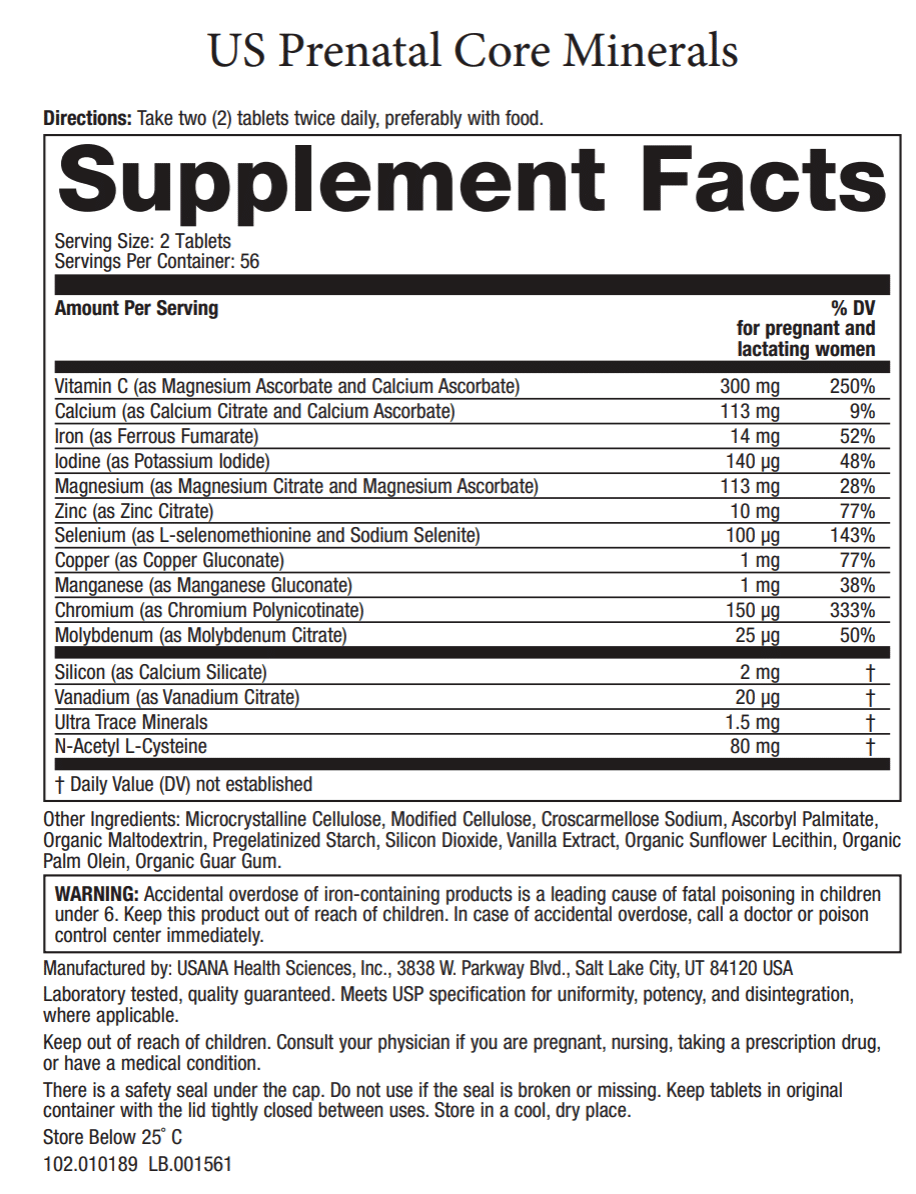
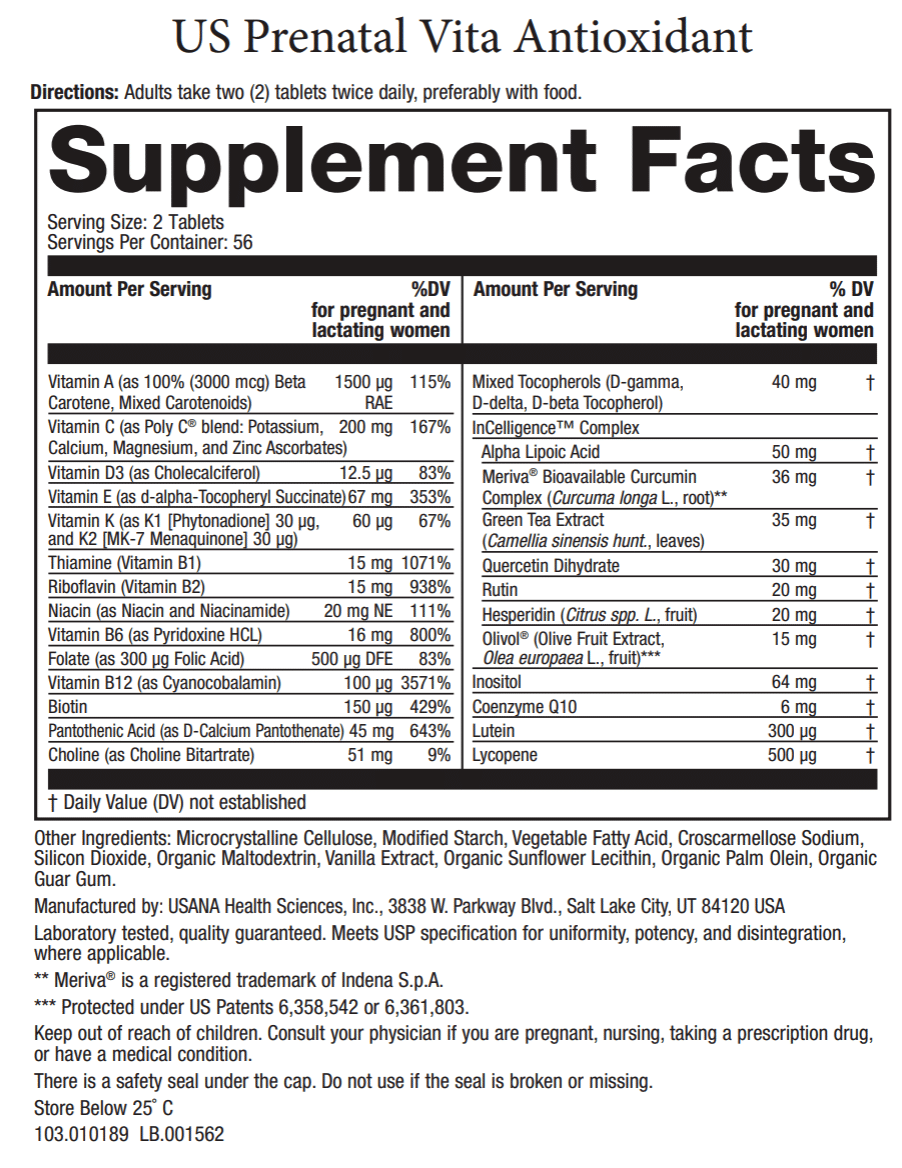
USANA® CellSentials™: Contains Vita Antioxidant™ and Core Minerals™. CellSentials supplies carefully balanced levels of high-quality vitamins and antioxidants and a balanced range of highly absorbable essential minerals and trace minerals. It’s designed to provide an essential foundation of nourishment and powerful antioxidant protection. The InCelligence Complex also uses nutrients to unlock natural processes that support the health of your cells.*
HealthPak™: Convenient AM and PM packets containing Vita Antioxidant, Core Minerals, CellSentials Booster, and USANA® MagneCal D™ —a bone-health supplement that was not formulated with USANA InCelligence Technology. All the core supplements you need in one product for full support of your healthy lifestyle.*
Proglucamune™: Daily immune-support supplement with zinc and the InCelligence Beta-Glucan Complex. It supports the body’s ability to adapt and respond to the effects occasional, everyday stress or strenuous exercise can have on immune function. InCelligence Beta-Glucan Complex uses baker’s yeast and a combination of mushrooms to prime immune cells’ natural protective responses so they can effectively protect health.*
Hepasil DTX™: Comprehensive liver-support formula featuring the InCelligence Detox-Support Complex. The complex delivers a comprehensive array of phytonutrients, including green-tea extract, milk-thistle extract, broccoli concentrate, turmeric, and USANA’s unique Olivol® olive-fruit extract. This helps to activate your liver cells’ natural protective antioxidant and detoxification processes.*
Procosa®: Supports joint function and comfort. It also helps regulate normal cartilage formation that helps cushion your joints. The InCelligence Joint-Support Complex in Procosa helps trigger a process in cartilage cells that helps renew healthy joint-cell function and support healthy joint aging. The complex also influences signaling pathways that modulate your body’s natural responses to the temporary, normal inflammation resulting from exercise. This helps proactively promote a healthy immune and inflammatory response after exercise.*
CopaPrime+™: Supports peak mental performance and protects your brain health as you age with powerful nootropics: American ginseng plus the InCelligence Cognitive-Support Complex, which includes bacopa monnieri and coffee-fruit extract. CopaPrime+ works by helping your body produce an important cognitive protein needed for learning, memory, and thinking. It also helps you stay calm and focused during mentally stressful situations.*
Celavive® Skincare Products with the Cell Signaling Complex: A number of products in the Celavive skincare line reveal your natural radiance and fight the visible signs of aging with the power of the Cell Signaling Complex. These products feature InCelligence Technology by supplying targeted nutrient combinations that help revive your skin’s youthful appearance. A combination of botanicals and innovative peptides supports the natural production of compounds—collagen, hyaluronic acid, and more—that help skin look firmer and more radiant.
*These statements have not been evaluated by the Food and Drug Administration. This product is not intended to diagnose, treat, cure, or prevent any disease.
00staffstaff2017-05-30 13:27:162019-12-19 11:26:09An introduction to InCelligence Technology®
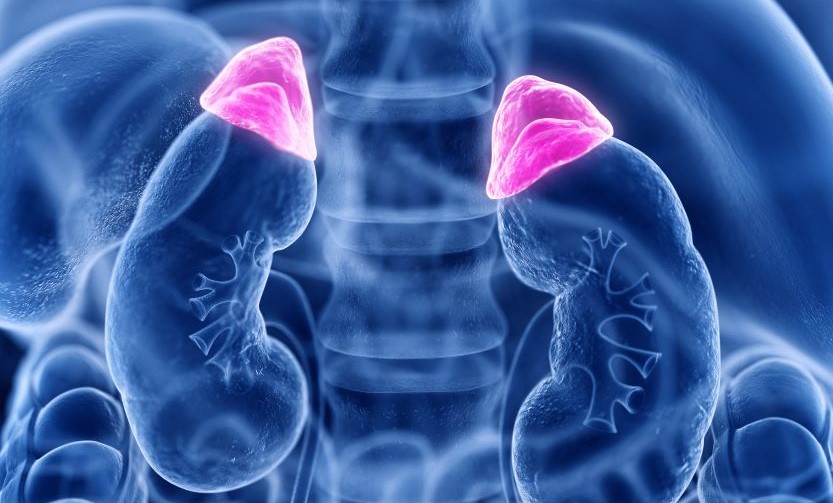
When you think of the adrenal glands you likely think of stress. It makes sense, since they are most often referred to for their role in secreting the hormone adrenaline (epinephrine), which enables your body to respond to a stressful situation. Think fight or flight reaction.
But that’s not really their primary role. Their primary role is in secreting hormones that are essential to life.
Each adrenal gland is composed of two distinct structures—the outer part of the adrenal glands is called the adrenal cortex. The inner region is known as the adrenal medulla.
The adrenal cortex secretes 3 types of hormones that are essential for life – mineralcorticoids, which are regulated by the hypothalamus and pituitary glands in the brain; glucocorticoids that are regulated by signals from the kidneys; and sex hormones to a small degree (most sex hormones are produced by the ovaries and testes).
Glucocorticoids released by the adrenal cortex include:
Hydrocortisone: Commonly known as cortisol, it regulates how the body converts fats, proteins, and carbohydrates to energy. It also helps regulate blood pressure and cardiovascular function.
Corticosterone: This hormone works with hydrocortisone to regulate immune response and suppress inflammatory reactions.
The principle mineralcorticoid is aldosterone, which maintains the right balance of salt and water while helping control blood pressure.
Unlike the adrenal cortex, the adrenal medulla does not secrete hormones that are essential to life, but that does not mean they aren’t beneficial. Hormones secreted by the adrenal medulla help you deal with both physical and emotional stress.
Hormones secreted by the adrenal medulla are:
Epinephrine (adrenaline): This hormone rapidly responds to stress by increasing your heart rate and rushing blood to the muscles and brain. It also spikes your blood sugar level by helping convert glycogen to glucose in the liver.
Norepinephrine (noradrenaline): This hormone works with epinephrine in responding to stress. However, it can cause vasoconstriction (the narrowing of blood vessels). This results in high blood pressure.
Disorders and diseases of the adrenal glands include Addison’s disease (also known as adrenal insufficiency), which develops when the adrenal cortex fails to produce enough cortisol and aldosterone, and Cushing’s disease, which is caused by overproduction of the hormone cortisol, typically due to a tumor on the adrenals or pituitary gland.
Adrenal fatigue is a term applied to a collection of nonspecific symptoms, such as body aches, fatigue, nervousness, sleep disturbances and digestive problems. Although the term is commonly used, it isn’t an accepted medical diagnosis currently. “Adrenal Fatigue” is a syndrome, not a disease, which means it is a collection of symptoms. Symptoms of adrenal fatigue syndrome are numerous and include:
Waking up unrested
Decrease ability to handle stress
Brain fog or decreased cognitive ability
Dizziness when standing from sitting or lying down
Low sex drive
Increased severity of allergic responses
Low blood pressure
Low blood sugar
Weakness, and more…
Adrenal disorders such as Addison’s and Cushing’s diseases are medical conditions that require medical treatment, or life-long hormone replacement (much like type 1 diabetes or hypothyroidism).
Adrenal “fatigue” can best be addressed by a healthy diet (high glycemic diets and overconsumption of stimulants are often problematic), adequate sleep, stress management, and a balanced multivitamin/ mineral supplement that provides basic building blocks and nutrients to support normal kidney and adrenal function. Specific products marketed to treat adrenal fatigue are rarely necessary or beneficial, especially if lifestyle and dietary factors are not adequately addressed.
In many ways, nutrition has been a lost frontier in achieving optimal health. Only relatively recently—and outside of some early adopters—has the role of nutrition been appreciated in athletic performance, healthy aging, degenerative diseases, and most importantly maintaining health for as long as possible. To further understand, fine-tune, and improve the positive role nutrition plays in optimal health, a significant innovation in nutrition must occur.
When it comes to the field of nutrition, there are a few areas that are ripe for innovation. However, before we get into innovation in nutrition let’s start with a brief history of nutrition to help understand how we got to where we are today.
Essential micronutrients and macronutrients
In talking about essential nutrients, we are talking about the compounds we must get through our diet or nutritional supplement to sustain life. These nutrients are essential because our bodies do not make them. There are two general categories of essential nutrients: 1) essential macronutrients and 2) essential micronutrients.
Macronutrients are the nutrients we need in larger quantities (usually >1 gram). These are the raw materials our cells need to 1) build the structures that make up our bodies and 2) burn for energy—fats, proteins, and carbohydrates.
Essential micronutrients are the minerals and vitamins our bodies need but in smaller quantities (usually <1 gram). Some minerals, like calcium, for example, could be considered macronutrients because we need them in large dosages. However, because we cannot burn calcium and other minerals for energy, most nutritionists lump them into the “micronutrient category.” Simply put, essential minerals are the inorganic substances our bodies need to support life, and the essential vitamins are the organic compounds our bodies need to support life.
It has long been appreciated that we must eat food (macronutrients) to survive. It has also long been appreciated, mostly from early physicians, that minerals are important because of the composition of bone. However, the role essential vitamins played in health remained much more elusive. It is the luxury of 21st century hindsight that makes the discovery of essential vitamins so interesting. Therefore, vitamins will be the main focus of this brief historical perspective.
Discovery of essential vitamins
Although they didn’t know it at the time, it was the earliest seafaring explorers who were responsible for the discovery of vitamins. On their long voyages, sailors would almost exclusively eat dehydrated foods and fish with little or no fresh fruit or vegetables. This diet put sailors at risk for vitamin C deficiency and scurvy. The severe symptoms of scurvy (general weakness, tooth loss, blood spots, excessive bruising, etc.) would appear as soon as 10 to 12 weeks into a voyage—the first observable and documented disease of nutritional deficiency. However, it was also observed that as soon as sailors reached land and began consuming “acid fruits,” their symptoms would disappear in as little as one to two weeks. The British navy was the first to appreciate this observation and adopted the use of citrus juice (mostly lemon or lime juice) into the sailors’ daily rations—all but curing this disease in its sailors. The exact reason and specific compound(s) responsible for the amelioration of scurvy would evade discovery until the early 1930s when a Hungarian researcher, Albert Szent-Györgyi, discovered vitamin C—literally hundreds of years later.
Again, with the luxury of hindsight in modern science and medicine, it is clear why scurvy was the primary concern of these early explorers. Vitamin C is highly water-soluble. We have a relatively high daily requirement because we are one of the few animals that does not synthesize vitamin C. And the fact that we are poor at recycling it means that vitamin C is usually the first nutrient depleted from our bodies. Thus, scurvy is one of the first diseases of nutrient deficiency to manifest overt symptoms.
Fast forward to the 1800s when widespread European colonization of Asia, Caribbean, and Pacific Islands was occurring, and many other diseases of nutrient deficiency began to be observed. It was only when the observations of different European physicians were lumped together that the role of nutrition in preventing diseases of nutritional deficiency became clear. Basically, sailors, soldiers, prisoners, and even farm animals fed homogeneous, restricted, and/or limited diets became at risk for “disease.” However, proving exactly what caused these diseases proved to be elusive. Further compounding the discovery of essential vitamins was timing. Research into diseases of nutritional deficiency was occurring at the height of the “Pasteurian revolution”—or “germ theory of disease”—a time when microscopic organisms were thought to be the cause of all maladies. This led researchers down many experimental dead-ends.
It wasn’t until the 1890s that a Dutch physician working with chickens discovered the difference between a chicken (or soldier) developing the “neurological disease” known as beriberi was whether they were fed “brown” or “white” rice. This discovery was ultimately responsible in solidifying the notion that “components of food” could be responsible for health or disease. This sparked a scientific revolution into the 1900s that lasted up through 1941 when folic acid, the last discovered essential vitamin, was described.
Establishment of dietary guidelines
During the second World War, a time when global war and economic depression was occurring and food rationing and starvation were rampant, the United States determined it needed to set nutritional guidelines. No doubt to gain an upper hand in the war effort, the United States National Defense Advisory Commission mandated the United States National Academy of Sciences establish the United States National Research Council to investigate the role nutrition might have in national defense. The goal was to maintain a healthy fighting force and civilian population, and help guide overseas relief efforts. In 1941, the first Recommended Daily Allowances, or RDAs, were put into practice. While these dietary guidelines were initially established by the United States, many countries around the world have either adopted these guidelines outright or have some modified version thereof. The RDAs (or the now broader dietary guidelines known as the Dietary Reference Intakes) are only updated on average, every five to 10 years. As such, since their inception, these dietary recommendations have only been updated a handful of times and leaves us where we are today.
Governmental regulations preventing diseases of nutritional deficiency versus optimal health
The common denominator of how essential vitamins were discovered and how governmental guidelines were established was “preventing diseases of nutritional deficiency and other complications of malnutrition”. Thus, these governmental regulations, guidelines, and recommendations have never been considered dosages to achieve “optimal health”. For regulatory agencies to ultimately modify their recommendations from “minimal amounts” of nutrients to stave off diseases of nutritional deficiency to “optimal amounts” of nutrients to promote health, significant investment and novel experimental approaches in the nutritional sciences must occur. For the general public to benefit from this science it must be accessible, understandable, and ultimately simple, personalized nutritional recommendations made. To marry these seemingly distinct goals, a significant innovation in nutrition must occur.
Innovation in Nutrition
Increased nutritional research
Our bodies and cells work because of biochemical reactions occurring within them. For these chemical reactions to work and to work as efficiently as possible, they need a number of nutrients and cofactors—in the right concentration, balance, and form—to function optimally. To date, there has been a severe drought of basic nutritional research in determining what exactly are “optimal levels” of nutrients we as individuals should be striving to consume daily. For example, what are optimized levels of nutrients to maximize athletic performance and let us age healthily? And most importantly, what levels of nutrients do we need to consume daily as an individual to maintain health for as long as possible—our so-called “healthspan”?
This gap in the scientific literature is likely due to two major factors. First, is a general lack of funding for nutritional research, both from governmental agencies and the private sector. The lack of funding from many major governmental agencies is likely multifactorial and complicated, but whatever the reason, there simply has not been the dedication to funding nutritional research relative to other areas of study. In regards to the private sector, large-scale, long-term human clinical trials are very expensive. These clinical studies can cost millions of dollars per year to run. And because many of these studies would need to be run for five, 10, 15, 20, or more years, they simply become cost prohibitive for even the largest of corporations to fund solely out of revenues.
Second, many scientists have recently called into question whether the traditional scientific model of “randomized, placebo-controlled trials” (so-called RCTs) are the right method to conduct nutritional clinical studies. These RCTs work well in the pharmaceutical industry because the molecules they are experimentally testing are almost never found naturally within our bodies. Because many governments prohibit patenting natural compounds, the pharmaceutical industry must develop synthetic molecules to patent-protect their research investments. This makes pharmaceutical experimental methods much more straightforward and much easier to determine a direct cause-and-effect. Their potential new drug is either found in us or not; their potential new drug either has an effect or not. Because of this literal binary methodology, these studies are much more cost effective and direct conclusions easier to draw.
This is not the case with nutrition. When similar clinical studies are performed in humans, we will all have some baseline level of nutrients in our bodies simply because of the food we eat. Further compounding this fact, based on the specific diet each of us is eating, some of us will have relatively high levels of some nutrients, and others relatively low levels. This fact is almost never considered when designing nutritional studies. Taken together, nutritional experimental methods become much less straightforward. These differing baseline levels increase experimental error. Because experimental error can become high this makes determining a direct cause-and-effect of nutritional interventions on a specific health outcome much more difficult to conclude. Without proper experimental design, having massive numbers of test subjects, and proper statistical analyses, this core difference in pharmaceutical and nutritional research often explains many of the equivocal results published in the scientific literature.
Further compounding experimental design and the interpretation of results is that nutrients don’t work in isolation in any single biochemical/metabolic pathway. Within every given metabolic pathway within our cells, there will be a number of nutrients and cofactors facilitating the biochemical/metabolic reactions. Thus, experimentally testing one nutrient in the context of all the other nutrients needed in a metabolic pathway and measuring a health improvement is hopeful at best. Based on nutritional and biochemical/metabolic science, best practices would include experimentally administering all nutrients in a given biochemical/metabolic pathway where a specific health outcome is desired. This, however, goes against the hundreds-of-years-old “scientific method” every scientist is taught.
The scientific method states that only one experimental variable can be changed relative to the control or placebo group. In literally every case of nutrition as it relates to health and disease, this is simply a flawed approach. Proper nutritional and biochemical/metabolic practices would demand all known nutrients in a given metabolic pathway be experimentally administered to expect a health improvement. However, this practice not only goes against the scientific method but also compounds a clear cause-and-effect interpretation of results. While this fact is appreciated by many nutritional and biochemical/metabolic scientists, when applying for governmental research monies, any experimental design outside of the scientific method is generally considered “poorly designed” and often fails to receive funding.
Simply put, for significant innovation in nutrition to occur, there needs to be a renaissance in basic nutritional science. For that to happen, a dogma change in traditional nutritional experimental design has to occur. New experimental paradigms will also need to be developed to answer nutritional experimental questions. And this is exactly what some forward-thinking nutritional and biochemical/metabolic scientists are doing—looking for methodologies outside of the traditional scientific method to answer nutritional research questions. These scientists are taking a non-hypothesis driven, non-targeted approach to nutritional science. That is, giving many nutritional interventions simultaneously relative to a control group, measuring numerous biochemical and metabolic outcomes, and then reconstructing the data based on known biochemical and metabolic principles. While this is a costly, complicated, and time-consuming approach it is allowing these scientists to make strong relationships between multiple nutritional interventions and their effects on biochemical and metabolic pathways. In other words, they are letting the data tell the story and not forcing data into preconceived or biased hypotheses because of flawed experimental design. This is likely the approach nutritional scientists will need to take in the future.
Ultimately, increased research funding, a renewed resurgence and commitment to basic nutritional research, and improved and novel experimental designs constitutes a great innovation in nutritional science.
Conditionally essential and non-essential nutrients and cofactors
We clearly need essential nutrients to survive and be healthy. But a new aspect of nutrition that is increasingly being appreciated is what is known as “conditionally essential” nutrients. As mentioned above, the last essential vitamin (folic acid) was discovered in 1941. And while there have been some potential candidates of yet undiscovered essential nutrients such as pyrroloquinoline quinone (PQQ for short), ergothioneine, and others, the likelihood of finding another absolute essential vitamin is unlikely. However, what is likely to occur through increased nutritional research is the characterization of more and more conditionally essential nutrients and cofactors, including essential vitamins and minerals.
What are “conditionally essential nutrients and cofactors?” Unlike essential nutrients directly linked to diseases of nutritional deficiency, there is no direct link between conditionally essential nutrients and cofactors and diseases of nutritional deficiency. However, what we are talking about are potential sub-clinical deficiencies were no overt signs of disease are present but where metabolism and cellular function are compromised.
A nutrient or cofactor might become conditionally essential during different stages of our lives. For example, we know that as we get older our bodies don’t absorb minerals and some vitamins as efficiently as in our youth. Additionally, it has been shown that non-essential nutrients and cofactors such as lipoic acid and carnitine decrease with age. We know that many elite athletes and women of childbearing age tend to need more iron and many other nutrients to maximize oxygen carrying capacity and support the additional stresses of athletics and child rearing. We know that following an acute physical injury, vitamin D levels crash. We know that we put on the majority of our life-long bone mass before the age of 20 and so pound-for-pound (or kilo-for-kilo), children need more bone minerals than adults.
A better understanding of candidate nutrients and cofactors that may not be “essential” by the strict nutritional definition but that may lead to a subclinical and compromised cellular, tissue, or organ function is needed. Or alternatively, describing conditionally essential nutrients and cofactors that would deliver additional health benefits through increased levels of supplementation. Expanding research into characterizing conditionally essential nutrients and cofactors to better determine the exact dosages needed, at specific periods of time in the lifespan, would be a great innovation in nutrition.
Personalized nutrition
It has been proposed by some theoretical biologists that the odds of any one of us being born exactly like we are, at this specific point in time, and under these specific circumstances to be around 1:400,000,000,000,000 (yes, one out of 400 trillion). So by that definition, if there were 400 trillion people currently living on Earth, there might be someone who was exactly identical to you or me in every way. Since there are currently only seven billion people on Earth, the likelihood that any two of us are exactly identical is highly unlikely at best. Therefore, one could easily surmise that we all have individual, unique, and personalized nutritional requirements.
Historically speaking, governmental agencies have not taken this nuance into account. Many recommendations coming from various regulatory bodies have lumped all nutritional requirements into large, population-based groups. Only more recently have different “life stages” and nutritional requirements been appreciated: for example, how old we are, if we use tobacco, or if a woman is pregnant or breastfeeding.
To have useful innovation in nutrition, it will be paramount to understand what smaller and more defined populations’ specific nutritional needs are—and ultimately any given individual’s exact, specific nutritional requirements—to increase the efficacy of nutrition as it relates to promoting optimal health.
Cellular and molecular targeting of nutrients
It has long been appreciated that our cells contain extensive communication networks known as cell-signaling pathways. These cell-signaling pathways allow the cells to communicate what is happening within a single cell, to its neighboring cell, or to cells that may be long distances away.
The sole purpose of these cell-signaling pathways is to help a cell, tissue, or organ adapt and respond to its environment. How does this work? There are “sensor molecules” (usually proteins) that live both on the surface and inside all cells. Like a lock and key, when the right molecule (key) hits the right sensor (lock), you initiate a cell-signaling pathway and communication commences. Think of a chain of dominoes being knocked over. Once initiated, the cell signaling pathway will ultimately have a physiological effect on the cell, tissue, organ, or even the body’s entire physiology—either turning biological processes on or turning biological processes off.
Certain nutrients can work at the molecular level to target cell-signaling pathways and yield a health benefit. For example, the compounds found in dark chocolate or the seeds of grapes can help support cardiovascular health. Caffeine can mimic adrenaline and give us both heightened cognitive function and improved athletic performance. Certain nutrients from plants (phytonutrients) have been shown to activate our body’s own natural detoxification processes, while others act like non-steroidal, anti-inflammatories (so-called NSAIDS). This happens because nutrients are working at the molecular level to activate cell-signaling pathways. And nutritional scientists are now capitalizing on molecular targeting of natural compounds within a cell to elicit specific, healthful, and efficacious physiological effects.
Learning exactly which nutrients—and at what precise dosages—target specific cell-signaling pathways to yield health benefits is in its infancy, and it is ripe for innovation.
The “omics” revolution in nutrition
The so-called “omics revolution” has been trendy in science, especially the biological sciences. The phrase comes from the suffix of many subfields of biology such as genomics (the study of DNA), proteomics (the study of proteins and enzymes), microbiomics (the study of microorganisms that live in and on us) and metabolomics (the study of metabolism).
This “omics” trend is the result of a notion in biology known as “systems biology”—how all the individual systems are working within our bodies to make us who we are. This is taking a more computational or engineering approach to understanding biology: from looking at what is in our DNA and what it tells us about our propensity for a particular health outcome (genomics), to how our cells turn that DNA message into our cellular protein machinery (proteomics), to how all the mutualistic microorganisms that live in and on us interact with our environment and affect our physiology (microbiomics).
Systems biology’s promise was to look at the complex interplays within those systems to help us understand the complexity of biology. And while systems biology was meant to give us less of a reductionist approach to biology, it has failed to deliver fully on its promise. It turns out there are many systems within the cell, so studying a single system (genomics, proteomics, microbiomics, etc.) doesn’t give us the complete picture, much less the interplay among all of these individual systems. But if you believe that, biologically speaking, we are nothing more than a bag of biochemical reactions—and it is those biochemical reactions that make us who we are—there could be one “systems approach” that could give us tremendous insight and help us innovate in nutrition. That promise is metabolomics.
The promise of metabolomics
As mentioned above, metabolomics is the study of the biochemistry of our entire metabolism. The promise of metabolomics comes from the fact that it takes into account many, if not all, systems in systems biology. Hierarchically speaking, it is the one process that can take all potential variables into account, simultaneously, regardless of the DNA we inherited from our parents; regardless of how efficiently we turn that DNA into useful protein machinery for the cell; regardless of how our microbiome is affecting our physiology; and regardless of things we haven’t even talked about yet, such as how efficiently we absorb nutrients, our lifestyles, and the environment in which we live. All of these things directly or indirectly affect our cellular biochemical reactions, and metabolomics takes all of these—and more—into account.
The promise of metabolomics also comes from the fact that our specific cellular biochemistry has been known for a number of years; that is, literally, every metabolic pathway in our bodies has been mapped out—not just the major players and pathways, but also the minor pathways and “metabolites.” By having such well-defined cellular biochemistry that includes the biochemical reactants, the metabolic intermediates, and all the necessary enzymes, cofactors, vitamins, minerals, etc. needed to conduct this biochemistry, we can know if our metabolism is functioning optimally or might be perturbed. And because there are trillions of chemical reactions occurring at any given time within our body, we can literally get a minute-by-minute or even second-by-second snapshot of how our metabolism is running.
All that said, it is exactly this promise of metabolomics that has also been the very thing to hold it back. Many researchers have shied away from full-blown metabolomics because of its inherent complexity. To get a complete view of our “metabolome” (everything that makes up our metabolism), one would literally have to measure hundreds-of-thousands of metabolites, simultaneously, as often as possible, over a wide-range of scenarios, to get an accurate view. As you can imagine, that becomes exponentially complex very quickly.
But technology in this field is rapidly advancing. It is now possible to measure tens-of-thousands of metabolites experimentally with more being added literally every day. But this complexity would only exist in the initial basic metabolomics research. Once an accurate snapshot of the metabolome, over many lifestyle scenarios, was captured, it would be possible to utilize a few key metabolites to know exactly how our cells are functioning. And going back to nutrition, we could determine exactly what we needed to put in our bodies to keep those cells functioning as optimally as possible. What should I eat? Carbohydrates? Proteins? Fat? When? Am I nutrient deficient? What nutrients do I need? When? And at what dose? The level of granularity, specificity, and real-time feedback provided by metabolomics is its real promise.
Going back to our example of scurvy (the disease of vitamin C deficiency): the reason individuals’ teeth fall out, they bruise easily, and they usually die of a cardiovascular event (aneurysm or heart attack) is because vitamin C is required for collagen synthesis—the “molecular glue” that holds our cells and blood vessels together. In this example, utilizing metabolomics, if we could identify when collagen synthesis or some seemingly unrelated metabolite first begins to become compromised, we could intervene and recommend consuming vitamin C to get this metabolic pathway back on track. This metabolic compromise could be identified far before any clinical symptoms present themselves or even subclinical consequences would negatively affect the cell. And we could use similar examples for maximizing energy production, muscle synthesis, brain function, and markers of disease or health. Literally, every biological process could be optimized using metabolomics.
A better basic understanding of metabolomics and which key metabolites to use as markers of optimal nutritional status and health is the penultimate innovation in nutrition.
Medical devices, fitness trackers, breathalyzers, and optical scanners
There are currently a number of devices available on the market whereby consumers can measure a number of important health endpoints. In terms of currently accepted medical devices, they include instruments that measure blood pressure, pulse wave velocity, weight, body composition, blood lipids, cholesterol, C-reactive protein, body temperature, and blood glucose, to name a few.
The popularity of fitness trackers has exploded to a global multi-billion dollar industry. Clearly, there is a demand for devices that give real-time feedback on health measurements. The most popular fitness trackers tell us how many steps we’ve walked, how far we’ve run, how efficient our swim stroke was, what our cycling cadence and power output is, heart rate, calories burned, and how well we have slept.
In more recent years, there’s been a resurgence of non-invasive technologies where specific wavelengths of light are shone into human tissue to determine health endpoints, such as blood oxygen saturation, pulse, macular pigment density, skin health, hydration, and even the status of certain nutrients, and antioxidants, with blood glucose being the “Holy Grail” of “Big Pharma.” You are also probably familiar with breathalyzers that can determine our blood alcohol content. There has also been a resurgence of breathalyzers (measuring metabolites in our breath) to determine metabolic health or even outright disease states.
Where this industry has left us short is being able to couple all of the aforementioned endpoints, and others, into a single device to give us a comprehensive look into our health status. Merging all of these endpoints and technologies into a single device that could measure our nutritional and health status in real-time would be a huge innovation in nutrition.
Coupling medical devices to nutritional, medical, and metabolomics data
The final innovation that needs to occur in nutrition is taking the comprehensive medical device referenced above and coupling it to the latest scientific discoveries in nutrition, medicine, and metabolomics. Imagine the possibilities if you could hold a medical device up to your finger; maybe give a small drop of blood or shine a light into it, or blow through a tube to get an overall snapshot of what your metabolism (metabolome) looks like in real-time. You could then take that information and receive a recommendation of a nutrient you might be low in, a food you should eat, or if you need to exercise. Such a device would ensure we keep our metabolism and biochemistry working as efficiently as possible and almost literally in real-time. We could maximize athletic performance, optimize our health, and most importantly, maintain our healthspan for as long as possible.
Coupling cutting-edge nutritional breakthroughs, especially in the field of metabolomics, with a comprehensive, non-invasive medical device to give us an instantaneous snapshot of our metabolic health, and hence our overall health, is theultimate innovation in nutrition that will meaningfully affect human health.
Conclusion
The mid-1800s through the mid-1900s was the defining time in nutrition. Those 100 years set the tone for how we think about nutrition today—minimal amounts of nutrients treating diseases of nutritional deficiency. We need to change the current nutritional dogma from minimal amounts of nutrition to optimal levels of nutrition to promote optimal health. If meaningful innovation in nutrition is to occur, there must be a renewed emphasis and dedication to basic nutritional research, especially how nutrients work on the molecular level. New scientific methods applicable to nutrition must also be developed and accepted in the scientific community to take less of a reductionist approach to nutritional research and more of a systems—or engineering—approach. The systems approach that is the most promise in nutrition is metabolomics, and this is where the majority of nutritional research should occur. Applying novel, non-reductionists, untargeted, non-hypothesis driven research methodologies to metabolomics will create real innovation in nutrition. Once we achieve a relatively complete understanding of how nutrients both directly and indirectly affect our metabolism, can we couple this knowledge with existing medical devices and develop new ones. Together, this will turn basic research into usable and actionable information whereby any consumer can take deliberate action to ultimately increase their health span.
This is the promise of innovating in nutrition.
https://askthescientists.com/wp-content/uploads/2017/06/lime-and-lemon.jpeg8201200staffstaff2017-04-18 04:00:562025-10-15 10:36:59Innovation in Nutrition
USANA Pure Rest
Give your body a boost of melatonin to help support your natural sleep-and-wake cycle.
Get a Good Night’s Sleep with USANA Pure Rest So You Can Rise and Shine
Your life is full of demands. And showing up—physically, mentally, and emotionally—for whatever’s important in your day starts with getting enough sleep the night before. Not to mention that regularly getting 7-9 hours of sleep a night is essential for your overall health and well-being. If you sometimes need a little help drifting off at night, USANA® Pure Rest™ can help you get to sleep, so you can rise and shine the next morning.*
Pure Rest is a fast-acting melatonin supplement. It supports the body’s natural sleep-and-wake cycles by adding to your natural melatonin production at night. When taken at bedtime, Pure Rest supports the body’s natural circadian rhythms. They signal your body that it’s time to sleep. It’s especially helpful if your normal sleep schedule has been disturbed due to working odd hours or traveling and jet lag.* Pure Rest is not a sleeping pill. It’s non-habit forming. Simply take Pure Rest as part of your bedtime routine to help you get the sleep of your dreams every night.*
Sometimes, when life gets demanding, you just aren’t going to get enough sleep. And if you occasionally find yourself struggling to fall asleep, it’s time to take action.
Running on too few hours of sleep won’t just leave you tired, grumpy, and mentally foggy. Even one night of sleep deprivation may have mental and physical consequences for your daily well-being.
Unfortunately, if you’re in need of more pillow time, you’re not alone. Millions of people need more sleep. It’s become so common that it’s the new “normal.” But not getting enough sleep isn’t something you can relax about. It’s actually considered a growing, unmet health problem by the Institute of Medicine. And with good reason.
Sleep quality supports a number of aspects of health:
Restoring the body after daily stress and exposure to free radicals*
Immune function *
Tissue repair (including joints) and healthy muscle growth*
Fitness recovery*
Cardiovascular health*
Maintaining healthy blood glucose levels (as long as they’re already in the normal range)*
Getting enough quality sleep will not only help you feel energized and productive. It will also help undo some of the effects of daily wear and tear on your body and increase your odds of living a healthier life.*
The goal? The National Sleep Foundation suggests adults aim to regularly get 7-9 hours of sleep a night. This is based on a rigorous scientific review of studies that related sleep duration to health, performance, and safety. The panel of experts found that those who sleep, on average, less than six hours a night may experience greater impacts to their well-being than those who average seven to eight hours a night.*
Your sleep cycle is controlled by your internal biological clock, known as circadian rhythms. This 24-hour cycle regulates a number of bodily functions, including telling your body when it should be asleep and awake. Circadian rhythms are a natural process within your body, but they can be influenced by outside factors.
A number of things can disrupt your sleep cycle (or sleep quality):
Stress
Working night shifts
Traveling across time zones
Artificial lighting (including LED light bulbs and the blue light coming from your smart phone or other electronic devices)
Alcohol or drug consumption
Age (melatonin levels may naturally drop, and you’ll tend to experience more sleep disturbances)
Make regularly getting your ZZZ’s a priority. Daily exercise; limited use of electronic devices and light exposure before bed; and a comfortable, dark sleep environment can all help you get good quality sleep. You can also support a good snooze by giving your natural circadian rhythms added support with a boost of melatonin.
Support Your Sleep to Sustain Your Health with USANA Pure Rest
Melatonin is the key to getting to sleep. This naturally occurring hormone is produced primarily in the pineal gland in your brain. Regulating normal sleep-and-wake cycles is melatonin’s main job. During the day, your body doesn’t make melatonin. Then levels naturally start to rise in the evening. Melatonin levels remain elevated for most of the night, signaling to your body that it is time to sleep.
To boost melatonin from plant-based sources, try adding tomatoes, olives, walnuts, or strawberries to your diet. Or, you can add tryptophan, which is an essential amino acid that your body uses to make melatonin. Tryptophan is found in eggs, poultry, dairy products, chickpeas, and almonds.
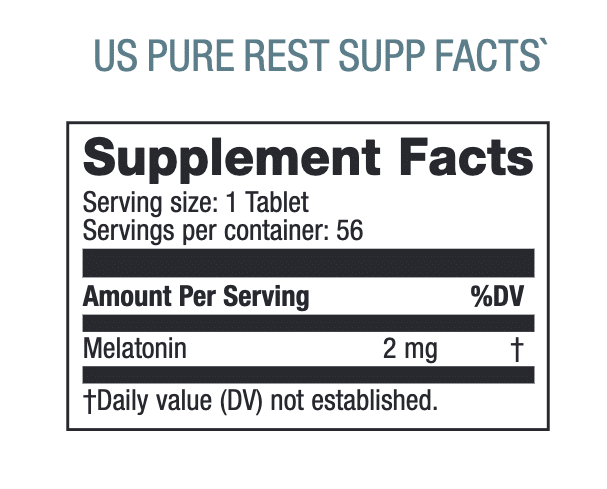
Get truly reliable levels of melatonin to help mimic the activity of your natural, sleep-inducing hormone with USANA Pure Rest. Each sugar-free, orange-flavored tablet contains 2 milligrams (mg) of pure melatonin from non-animal sources. And the tablet is scored, so you can easily break it in half to adjust the dosage to fit your needs.*
Taken about an hour before bedtime, Pure Rest will help your melatonin levels increase gradually. As melatonin levels rise, you will become less alert, feel drowsy, and eventually fall asleep. It’s a healthy way to support sleep without experiencing harsh side effects. But you’ll want to take Pure Rest at least five hours before you need to wake up, to help ensure you’ll feel refreshed and focused the next day.*
If you’re worried about a lack of sleep ruining your vacation or making you groggy on a business trip, Pure Rest should be your travel companion. It may help reduce jet-lag when traveling, especially if you’re headed east or across two or more time zones. A dose of approximately 5 mg has been shown to be most effective when crossing many time zones.*
To all you night owls: Supplementing your melatonin with Pure Rest could be especially important if you are exposed to artificial light at night, while it’s dark outside. Light exposure can upset your circadian rhythms and suppress the natural release of melatonin. So, your body will think it’s still time to be productive and make it harder for you to sleep. Pure Rest can help sync your body with the natural light–dark cycle to support a more natural sleep pattern.*
Pure Rest also protects your health at the cellular level while it helps you sleep. Melatonin can act as a free-radical scavenger. Plus, it helps support your body’s own natural antioxidant enzymes. So, by defending against cell-damaging oxidative stress, Pure Rest offers even more benefits for the restorative processes your body undergoes while asleep.*
Adults take 1/2 to 2 dissolvable tablets, as needed, one hour before bedtime for relief of occasional sleeplessness.
Insomnia may be a symptom of serious underlying medical illness. Keep out of reach of children. Consult your physician if you are pregnant, nursing, taking a prescription drug, or have a medical condition. Do not drive or operate machinery when taking melatonin.
Ideal For
Adults who need help supporting their normal sleep-and-wake cycle
Travelers
Anyone who needs to reset his or her sleep schedule
Frequently Asked Questions About Pure Rest
Who should use Pure Rest?
Pure Rest is designed for adults interested in improving the quality of their sleep, as well as those who appreciate the link between quality sleep and overall health. Because melatonin production and sleep quality generally decline with age, melatonin supplements also tend to be popular with individuals over the age of 50.
A number of studies confirm melatonin as an effective way to address jet lag. As such, it is a popular choice for individuals who travel extensively.*
When should I take Pure Rest?
Don’t take it too early or it’ll make you fall asleep! Pure Rest will work most effectively if you take it about an hour before you go to bed. The orange-flavored tablet will dissolve in your mouth without water.
Sleep Disorders and Sleep Deprivation: An Unmet Public Health Problem. Institute of Medicine Committee on Sleep Medicine and Research [Internet] [accessed 30 May 2018] Available at https://www.ncbi.nlm.nih.gov/books/NBK19961/
Sleep is important for optimal physical and mental function to carry you through your day. Find out how sleep and health are connected. And learn the science of sleep.
*These statements have not been evaluated by the Food & Drug Administration. This product is not intended to diagnose, treat, cure, or prevent any disease.

Focus on eye health with a vision-supporting supplement that delivers the nutrients your eyes need—vitamin C, zinc, lutein, and zeaxanthin.*
Your eyes are the window to the wonders of the world. So, don’t let exposure to the sun or screens dim your outlook. Focus on protecting your eye health and maintaining your vision with proper nutrition. Set your sights on the important nutrients found in USANA Visionex and Visionex DS.*
Ophthalmologists recommend a diet rich in fruits and vegetables to keep eyes in tip-top shape. And, many recommend adding an advanced eye-health supplement—with specific nutrients—to your daily routine. Visionex supplies nutrients your eyes need to stay sharp.
Visionex is loaded with vitamin C and zinc. It also delivers the phytonutrients lutein, zeaxanthin, and bilberry. Together, these ingredients support many aspects of health:*
Maintaining long-term eye health by fighting free-radical damage*
Acting as blue-light filters to help maintain good eye health and vision*
Aiding the brain through neural support and antioxidant activity*
Maintaining skin health by providing antioxidant defense and supporting collagen and surface lipids*
You can look out for your precious eyes with the nutritional support they require. The CellSentials will help provide a nutritional foundation for your overall health, which includes your eyes. And you can make maintaining healthy eyes a top priority by also including two tablets of Visionex in your daily supplement regimen. Or to get the same amount of lutein and zeaxanthin in only one tablet, try Visionex DS.*
To understand how Visionex can help maintain good eye health, you first need to understand how vision works. The brain and your nervous system also get involved, but it all starts with your eyes.*
The human eye detects radiation (or light) in a specific part of the spectrum—visible light. Then your eyes can form images of objects either directly in front of you, or as far as many miles away. They can even respond to a single particle of light.
This is possible because of the high concentration of sensory receptors found in the eye. In fact, your eyes contain over 70 percent of all sensory receptors in the body.
But your eye is only collecting and focusing light. Your brain translates the messages the eye perceives so you can see the world around you. To understand vision, you need to know how the eye, brain, and optic nerves work together to visually interpret your world.
Processing of visual information begins in the retina and macula in your eye. What you actually see is the light that strikes the retina—a light-sensitive layer of cells at the back of the eye. In the center of the retina is the macula. The lenses in your eyes focus light on the macula.
This focused light initiates cell-signaling pathways. These pathways transmit light information from the eyes, through the optic nerves, to the primary visual cortex of the brain. That processing center is located at the very back of your head. Ultimately, this process creates images that help you perceive the world around you.
The Central Nervous System and Blood Brain Barrier
Your eyes are considered part of the central nervous system (CNS), because many parts of the eye actually begin as brain tissue during early embryonic development. Additionally, it takes many nerves, along with your brain, to perceive the light your eyes take in as physical objects. The fact that the eyes are part of the CNS is important, because all structures of the central nervous system are protected by something known as the blood-brain barrier.
This barrier consists of a highly selective, semi-permeable membrane that separates the circulating blood from the fluids and structures of the CNS. The blood-brain barrier is formed by especially tight connections between the cells that line blood vessels in and around the central nervous system.
The barrier protects these very delicate structures. To do so, it allows only a few select molecules, nutrients, and chemicals to pass. Not all nutrients make it through to the CNS. Thus, to get nutrients into the eye, you must selectively target compounds known to cross the blood-brain barrier.
To do their part in vision, your eyes depend on many nutrients to help you see the world around you. Take a look at some supplied by Visionex:
Vitamin C: This powerful antioxidant and essential nutrient is found in fruits and vegetables. It supports healthy capillaries, gums, teeth, and cartilage. Vitamin C can be found in virtually every cell in the body, and its concentration is significantly higher in the retina than in the blood. Since the human body does not make vitamin C, it must be consumed as part of the diet.*
Zinc: As an essential trace mineral, zinc is necessary for many aspects of health. And it’s found in high concentrations in the eye. It plays a critical role in transporting vitamin A to the retina. Zinc deficiency has been linked to poor night vision. This mineral appears to provide antioxidant protection and promote good visual acuity.*
Lutein & Zeaxanthin: These two carotenoids are selectively transported across the blood-brain barrier and deposited in the macula of the eye. They serve as antioxidants, which help to neutralize free radicals and reduce oxidative stress. Additionally, they help filter out high-energy blue light to support visual acuity.*
Bilberry Extract: The bilberry fruit is rich in antioxidants called anthocyanosides. Bilberry has also been shown to help maintain healthy capillaries, including those in the eye. Healthy capillaries are important because they deliver nutrients to eye tissue. The eyes need plenty of nutrition because vision churns through a lot of energy.*
Visionex harnesses the free-radical-fighting and vision-supporting benefits of these nutrients. And puts them to work for you. By armoring yourself with supportive nutrition, you will continue to support healthy vision and eyes.*
Visionex Works to Make You the Picture of Ocular Health*
The eye (especially the macula) is prone to photo- and oxidative-damage. This comes from multiple sources:
Natural sunlight
Artificial light from certain types of light bulbs or from computer screens and mobile phones
Exposure to environmental pollutants
Oxidants produced as a result of the high metabolic rate of the eye
Over time, these insults add up and there can be a general decline in visual acuity as you age.
A top concern are the damaging rays from the sun that enter the eye. Just like sunlight (ultraviolet radiation, to be specific) can burn and damage your skin, these same rays can damage structures of the eye.
This is an interesting dilemma for the eyes to balance. On one hand, eyes need to let light in so you can see. But on the other hand, they have to minimize how much light comes in to help protect against damage. To help combat the harmful effects of light, eyes developed an interesting mechanism—concentrating specific protective nutrients.
Some of these nutrients include vitamin C, zinc, lutein, zeaxanthin, and the flavonoid bilberry. Flavonoids, which are a type of plant compound, and vitamin C help promote healthy blood vessels to ensure nutrient delivery. Vitamin C and zinc work together to provide antioxidant protection. Zinc additionally helps to transport vitamin A, an essential nutrient for vision, into the eye. *
The central portion of the macula contains a dense, yellow pigment called macular pigment. This helps protect the sensitive light receptors in the macula from the potentially harmful effects of high-intensity, shorter wavelengths of light (also referred to as blue light). The nutrients that make up this macular pigment are carotenoids, including lutein and zeaxanthin.
A Quick Guide to Carotenoids
Carotenoids make up a very large family of over 750 naturally-occurring plant pigments. They are the compounds in fruits and vegetables that tend to give them their red, orange, and yellow color. With all the different carotenoids found in nature, the eye has developed the ability to specifically and selectively concentrate lutein and zeaxanthin in the eye, specific neurons involved in vision, and certain regions of the brain. Together with these other nutrients, the eye is well equipped to cope with daily stresses.
Because your body cannot make lutein, zeaxanthin, vitamin C, zinc, and bilberry, they must be obtained from the diet or a nutritional supplement. Research has shown that levels of these eye-protecting nutrients correlate to the amount you consume. So, levels of these nutrients increase in a few days and continue to increase as long as they are being consumed. Unfortunately, once consumption of these nutrients stops, levels begin to decline as rapidly as they increased. Therefore, it is important to consistently eat a healthy diet and take a nutritional supplement that supports eye health.*
As you age, macular pigment density tends to decline. Research over the past twenty years has been geared toward understanding how this age-related decrease is related to nutrition. Now scientists have a better understanding of how nutrition helps support vision and maintain long-term eye health.*
The first AREDS research (Age-Related Eye Disease Study) was sponsored by the National Eye Institute. Previous studies linked eye health and nutrition, but AREDS sought to more deeply explore the potential connection.
For study participants, the tie between eye health and a daily recommended intake of nutrients like vitamin C, zinc, lutein, and zeaxanthin was strong. The results of the first AREDS confirmed the link between nutrition and eye health. And additional studies support the findings.*
The formula of Visionex is no accident—it’s based on solid science, including AREDS. Vitamin C, zinc, lutein, and zeaxanthin can help lighten the load of ocular burdens. They reinforce the health of macular pigment to protect your eyes from damaging sunlight. And as antioxidants, they maintain your eyesight by defending against oxidative damage to the delicate tissues of the eye caused by light.*
Along with Visionex, eating a healthy diet and practicing eye-protective habits can help your eyes stay healthy, even as you age. That means avoiding direct exposure to the sun by wearing sunglasses. You should also take regular breaks from computer and smartphone screens.
Keep Your Vision Sharp Through the Power of Visionex*
Your eyes guide you through your world, so their health can have a noticeable impact on your life. Healthy eyes ensure high visual performance across situations like driving a car or playing sports.
Since time in front of computer screens and cell phones is on the rise, it is necessary to protect your eyes from stress and fatigue. You want your eyes to perform well while you are working. But you also need them to be on top of their game when you get behind the wheel or step onto the field.
Scientific research has shown that nutritional interventions (like dietary supplementation) can help support visual performance.
A 2005 study put this theory to the test with 40 young, healthy subjects (average age of 23.9 years). They were assigned to receive daily supplements of lutein (10 mg) and zeaxanthin (2 mg) for six months. The subjects’ eyes were then tested for the effects of glare as experienced in everyday situations. That included being outdoors on bright days, lengthy sessions of computer time, and nighttime exposure to oncoming headlights.
Following the six months of supplementation, the participants saw positive impacts on macular pigment optical density (MPOD) when compared to average values at the beginning of the study. MPOD levels have been linked with visual acuity. After testing the subjects for their performance on visual tasks, researchers concluded that four to six months of lutein and zeaxanthin supplementation supports visual performance in high-glare situations.
Supplementation with the lutein and zeaxanthin in Visionex can help preserve visual function. Use of these important carotenoids has a number of benefits:*
Sustains tolerance to and recovery from exposure to bright light*
Supports visual acuity in low-light or hazy conditions*
Can help maintain healthy vision by making edges appear clearer*
Reboot your eye health with the nutrients found in Visionex. The lutein and zeaxanthin in USANA’s eye supplement helps support the blue light-filtering power of the macula and provides antioxidants to fight off oxidative damage.*
The benefits of Visionex extend beyond your eyes. That’s because lutein and zeaxanthin can cross the blood-brain barrier. So, after these carotenoids are deposited in the macula, they also have work to do supporting healthy brain function.*
What accounts for the cognitive effects? Your brain puts lutein and zeaxanthin to use helping to optimize the speed and efficiency of sending messages in your brain.*
The first way this may work is supporting the speed at which signals are sent down a neuron. This could be the result of the antioxidant properties of lutein and zeaxanthin shuttling electrons and other signals along the neuron.*
The second possibility is that lutein and zeaxanthin support specific cell-signaling pathways. These pathways turn on the gene responsible for holding neurons tightly against each other at connections called tight junctions. Think of these as the glue that keeps cells in close contact. More glue means a strong, tight connection.*
Why would this connection be important? Neurons need to send messages down the length of their cells, as well as between cells. The tighter the connections, the more efficiently the signal is sent and received. Supporting signaling efficiency equals optimal cellular communication.*
Increasing the amount of this cellular glue may help the brain form new connections and cell-signaling pathways. Both are very important for learning and memory.*
Because it supports the brain’s ability to send and receive messages, Visionex is an excellent companion product to CopaPrime+, which uses USANA InCelligence Technology™ to support peak cognitive function.*
Research has shown high levels of circulating carotenoids, specifically lutein and zeaxanthin, support many brain functions. They include the following:*
Lutein and zeaxanthin also offer benefits for supporting your skin’s healthy appearance. They do this by increasing surface lipids (fats) and enhancing natural antioxidant activity. By concentrating in the skin, they help provide protection from light to reduce the visible effects of the sun.
By promoting lipid production, lutein and zeaxanthin foster healthy cell growth. Skin cells are some of the fastest growing cells in the body. So, they need the support of nutrients like lutein and zeaxanthin to guard your body with a beautiful and protective outer layer.*
The vitamin C in Visionex acts as an antioxidant and also supports the synthesis of collagen, which is an important structural protein in the skin.*
The antioxidants in Visionex help protect skin from a dry or prematurely wrinkled appearance that could be caused by environmental exposure. When paired with a broad-spectrum sunscreen applied to the skin to defend against the effects of the sun, Visionex can help maintain your healthy glow from the inside.*
*These statements have not been evaluated by the Food & Drug Administration. This product is not intended to diagnose, treat, cure, or prevent any disease.
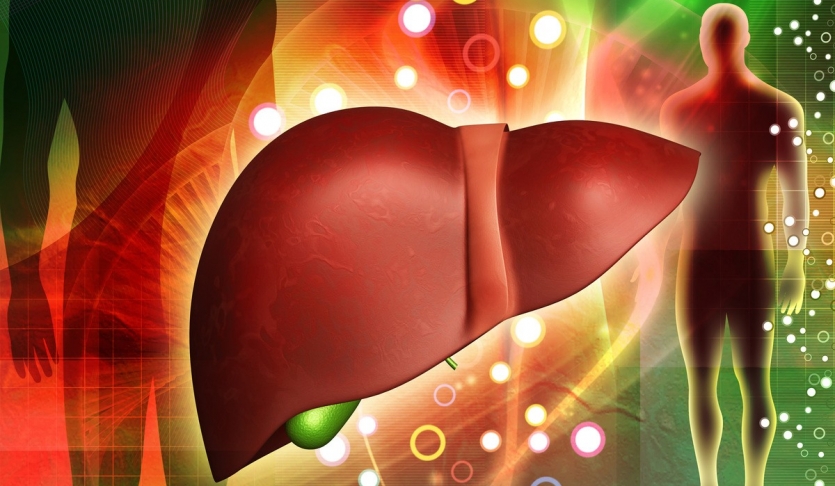
USANA BiOmega is made with a concentrated dose of premium quality purified fish oil and vitamin D to deliver a multitude of benefits for your daily wellness. BiOmega is packed with omega-3 fatty acids, which play a crucial role in maintaining overall health.*
The Facts About Fats
BiOmega provides a concentrated source of omega-3s—especially DHA and EPA—to help fill dietary gaps and support brain and heart health.*
Unsaturated fats can positively affect your overall wellness—including brain and cardiovascular health. Omega-3 fatty acids, a type of unsaturated fat found in foods like fatty fish and flaxseeds, are known for a variety of health benefits.*
Even though there are many sources of omega-3s, dietary surveys indicate that up to 90 percent of people don’t get enough omega-3s from their diet. The key to BiOmega’s effectiveness is its high concentration of omega-3 fatty acids—including DHA (docosahexaenoic acid) and EPA (eicosapentaenoic acid), which are fatty acids that support various aspects of your health. Because BiOmega offers a concentrated dose of DHA and EPA, it can supplement your omega-3 intake if you are not receiving enough of this fat through fish and other sources.*
The Quality of BiOmega Ingredients
BiOmega is a purified fish oil made from small, responsibly sourced fish, offering highly absorbable omega-3s through advanced molecular distillation and re-esterification in the triglyceride form.*
BiOmega is a whole-body oil—not a liver oil—made from responsibly sourced fish and flavored with lemon oil to help minimize any fishy aftertaste. (Taking your supplement with a meal should also help reduce any aftertaste issues.) The fish oil in BiOmega is sourced from smaller fish such as anchovies and sardines—small, cold-water, deep-sea fish with short lifespans.*
Supplementing with quality fish oil is a safe and effective way to increase your omega-3 levels and help maintain a proper balance of fatty acids. BiOmega features omega-3 fatty acids in the concentrated triglyceride form, which research shows to be more efficiently absorbed than other forms.*
Natural fish oil contains triglycerides, which include impurities and lower concentrations of EPA and DHA fatty acids. To increase the levels of omega-3s, the oil is purified and concentrated through high-vacuum molecular distillation, a process that separates chemical compounds at different boiling points. This molecular distillation process removes impurities and any trans-fatty acids, leaving only the key beneficial components behind. The oil is then tested for heavy metals and other contaminants to ensure it meets purity standards.*
BiOmega takes the purification and concentration process a step further by re-esterifying the fish oil into the triglyceride form. This involves converting the purified ethyl esters of omega-3 fatty acids back into triglycerides. The re-esterification process combines the benefits of high purity and concentration with the benefits of natural triglycerides. Some studies have shown that this form enhances the bioavailability and effectiveness of omega-3 fatty acids like EPA and DHA by up to 41%, allowing your body to absorb and utilize these nutrients more efficiently for maximum health benefits. This results in a highly purified, concentrated, and bioavailable omega-3 supplement.*
The Benefits of BiOmega
From your heart to your liver, BiOmega sustains your health by supplying your body with omega-3 fatty acids. The benefits of BiOmega support your overall wellness including cardiovascular health, cognitive function, and ensuring you feel strong and vibrant every day.*
Cellular Function
Cell membranes are made up of fatty acids and act as a selective barrier to regulate water, oxygen, nutrients, and other compounds. If you consume too many saturated fatty acids, your cell membranes might become rigid. In contrast, consuming omega-3s, especially DHA, helps maintain fluid and functional cell membranes.*
Similarly, the vitamin D in BiOmega works with the omega-3s to support cell health. There are vitamin D receptors on virtually every cell in your body. This synergy between vitamin D and omega-3s helps support immune function, bone health, and cardiovascular health. By providing both nutrients, BiOmega promotes overall well-being and helps maintain optimal cellular function.*
Cardiovascular Health
The concentrated levels of EPA and DHA in BiOmega support cardiovascular health by helping maintain healthy HDL (good cholesterol) and triglyceride levels. Omega-3s also promote endothelial health, arterial flexibility, blood flow, and a healthy resting heart rate, contributing to overall cardiovascular health.*
Brain and Nerve Activity
Omega-3 fatty acids, particularly DHA, are a major component of your brain cell membranes. They sustain the development, structure, and function of the brain and central nervous system, ensuring effective communication between neurons. This impacts learning, memory, and cognitive processes.*
Eye Health
DHA supports your eye health by naturally concentrating in the retina where it protects eye cells, supports the fluidity of photoreceptor membranes, and helps maintain retinal integrity. Additionally, DHA lubricates your eyes to preserve normal vision and eye comfort by supporting the activity of a gland in your eyes that produces the oily part of tears.*
Pregnancy and Child Development
BiOmega should be a key part of your daily diet if you are expecting, may become pregnant, or are breastfeeding. Alongside a quality prenatal vitamin like Prenatal CellSentials, BiOmega provides omega-3s that support a healthy pregnancy, stable mood after delivery, and normal fetal growth and development. Omega-3s, particularly DHA and EPA, are crucial for cognitive development, visual recognition, verbal intelligence, social skills, and may prevent childhood asthma development. Continued supplementation during breastfeeding further supports cognitive development and healthy eye function.*
Joint and Exercise Recovery
BiOmega can help you achieve your fitness goals through a combination of fish oil intake and regular exercise. Omega-3 fatty acids help maintain a healthy weight, body fat, and supporting metabolic health.*
Additionally, BiOmega aids in recovery from exercise by supporting joint function and maintaining the health of articular cartilage. The nutrients in BiOmega may help reduce muscle soreness after workouts and support strong, healthy bones. Omega-3 supplements also contribute to the body’s normal, healthy inflammatory response from exercise and everyday activities.*
Liver Health
Omega-3 fatty acids particularly EPA and DHA, have been shown to support healthy inflammation and sustain liver function. This is particularly important for individuals trying to maintain their overall liver health.*
Breast Health
Omega-3s can support hormone balance which is important for overall breast health. Incorporating fish oil omega-3 supplements like BiOmega into one’s diet may provide substantial health benefits for both breast health and overall well-being.*
The Extensive Benefits of BiOmega
The nutrients in BiOmega are vital for supporting many aspects of your health. They impact your health from the most fundamental level to your overall wellness. By providing high concentrations of omega-3 fatty acids like EPA and DHA in a bioavailable triglyceride form, BiOmega supports cardiovascular health, cognitive function, and hormone balance. Incorporating BiOmega into your daily routine can help you enjoy the numerous benefits of omega-3 supplementation.*
Key Ingredients
EPA
DHA
Vitamin D
Usage
Take two (2) capsules daily, preferably with food.
*These statements have not been evaluated by the Food and Drug Administration. This product is not intended to diagnose, treat, cure, or prevent any disease.

Each serving (2 capsules) of BiOmega has 1200 mg total of omega-3 fatty acids. Of which 580 mg are eicosapentaenoic acid (EPA) and 470 mg are docosahexaenoic acid (DHA).
Can BiOmegabe used during pregnancy and lactation?
Research has clearly shown that essential fatty acids are important for developing babies, and many women don’t get enough from diet alone. During pregnancy, omega-3 fatty acids, particularly DHA, support brain, eye, and nerve development, especially during the last trimester.*
How is BiOmega purified?
BiOmegais purified using high vacuum molecular distillation. (We actually distil the product twice to ensure a maximum level of purity.)

Molecular distillation removes impurities (heavy metals, dioxides, etc.), saturated fats, and other undesirable organic compounds, leaving only the key beneficial components of the fish oil. Molecular distillation is gentle with exceptionally low heat residence time and is performed in a vacuum to further reduce heat requirement. Additionally, the BiOmega is a whole-body oil (not a liver oil) made from wild caught anchovies and sardines – small fish with short lifespans which are naturally much lower in contaminants than larger fish (such as salmon, tuna, etc.)
Does BiOmega contain trans fat?
All of USANA’s products, including BiOmega, are completely free of trans-fatty acids.
Does BiOmega contain vitamin A?
No, BiOmega does not contain vitamin A. Unless added by the manufacturer, only fish oil supplements specifically made from fish liver (such as cod liver oil) will contain vitamin A.
Can I remove the liquid from the BiOmega capsules?
A primary concern with opening BiOmega capsules is the difficulty involved in emptying the capsule completely, which may reduce the amount of active ingredients received. (Also, it can be difficult to mask the taste of extracted fish oil.)
Assuming taste isn’t a concern and the capsule can be emptied completely, there shouldn’t be a problem with consuming BiOmega this way. Just be sure to use the liquid immediately, as it was not designed to be exposed to air.
What fish species are used to make BiOmega?
BiOmegais a whole-body oil (not a liver oil) made from anchovies and sardines – small fish with short life spans which are naturally much lower in contaminants than larger fish (such as salmon, tuna, etc.). In fact, the raw material (pre-refining) oils used in BiOmega are already lower in PCBs than established guidelines for finished products. It is then purified using a process called high vacuum molecular distillation (twice) and the finished product is tested again for heavy metals and other contaminants.
Why doesn’t BiOmega contain omega-6 or omega-9 fatty acids?
Fish oil typically contains minimal amounts of omega-6 and omega-9 fatty acids. If a company were to add dietary significant amounts of these nutrients to a fish oil supplement, the size and/or number of capsules would have to be increased.
In addition, omega-6 fatty acids tend to be more prevalent in the diet than omega-3’s, and while omega-9 fatty acids are beneficial and healthy they are not considered “essential” (since the human body is capable of synthesizing them).
How do I eliminate the fishy aftertaste associated with fish oil supplements?
Lemon oil is added to BiOmega to help reduce the potential for fishy aftertaste.
If you still find the taste bothersome, try taking BiOmega with a meal.
What is the caloric content of BiOmega?
10 calories per capsule, 20 calories per daily dose
Does BiOmegacontain gluten?
USANA tablets and capsules do not contain wheat, oats, rye, barley, or gluten.
For individuals with a specific allergy to fatty fish (e.g. salmon, mackerel, herring, sardines, anchovies), BiOmega would not generally be recommended except on the advice of a physician.
For individuals with shellfish-specific allergies (e.g. shrimp, crab, lobster), BiOmega should not be a problem as it does not contain any shellfish ingredients.
An overview of the chemical nature of dietary fats and their role in nutrition. Discover the difference between fat types and their place in your diet.
Thanks for sharing! Entering your USANA ID number creates a unique URL, which allows you to receive credit on referrals.
Here’s how it works: When the link is clicked, a cookie (if allowed) is created. Shopping buttons on applicable product pages will appear to the referred user. A click on these buttons passes your referral information to USANA’s Shopping Cart, tying purchases made on cookie-containing devices to you for 30 days. In addition, if a person clicks on this unique URL and then later visits USANA.com and makes a purchase (within 30 days), you receive credit for the sale.