USANA uses Poly C, which is a unique blend of mineral ascorbates, rather than ascorbic acid to provide vitamin C in the CellSentials. This mixture of ascorbates has been shown to provide and maintain higher levels of vitamin C in the blood than from equal amounts of ascorbic acid alone. Poly C is a combination of calcium, potassium, magnesium, and zinc ascorbates, all of which contain the corresponding mineral bound with the ascorbate. In the Core Minerals, USANA has chosen to use calcium ascorbate and magnesium ascorbate to provide both vitamin C and magnesium/calcium. As such it has multiple benefits. It provides both minerals and vitamin C in one tablet, in highly bioavailable forms, and it gave us more room in the Vita Antioxidant tablet to add some very important nutrients there (such as the Incelligence Complex, increased choline, mixed carotenoids, additional mixed tocopherols, vitamin K, etc)

Vitamin A can be toxic in EXCESS, and so can iron, selenium, manganese, vitamin D and many other important nutrients. It is even possible to overdose on pure water. We no longer fear vitamin D toxicity, but for some reason the fear of vitamin A still persists. The fear is largely unfounded. Just because a toxicity of retinol is possible, does not mean that it is highly toxic or something to avoid. To put it into perspective, let’s use the most extreme precaution. It has long been suggested not to exceed 10,000 IU of pre-formed vitamin A during pregnancy due to an increased risk of birth defects. As a result, even health professionals have often treated this number as a “toxic” level, even advising women to avoid vitamin A altogether. But, that is not how safety levels are set, and it does not accurately represent the toxicity of vitamin A. There haven’t been any confirmed birth defects at levels less than 25,000 IU. The 10,000 IU level has a large safety margin built into it. Levels of 25,000-50,000 IU taken chronically over months or years have been problematic, but primarily in people with already compromised liver function. The level at which it becomes potentially toxic far exceeds what you would get from a diet (unless you eat large amounts of liver every day) or typical multivitamin supplements. Basically, you would have to be taking separate high dose vitamin A or over consuming cod liver oil consistently to have a concern over vitamin A toxicity.
Vitamin A as retinol, retinyl palmitate, or retinyl acetate is not something to fear or avoid. After all, it is an essential vitamin.
The CellSentials Booster contains:
- 50 mg Pterocarpus marsupium extract (containing pterostilbene)
- 10 mg Olivol
- 75 mg alpha lipoic acid
- 60 mg Quercetin
Vitamin A has essential actions in areas of health that include vision, cellular differentiation, organ development during embryonic and fetal growth, and membrane structure and function. Several other complex physiological processes, including growth, reproduction, and immune system functions, also depend on vitamin A.
Recent research has indicated that some individuals have a limited ability to convert beta-carotene to vitamin A. Excess body weight reduces the efficiency of conversion, and there are genetic polymorphisms that decrease the ability to convert beta-carotene to vitamin A. Individuals may have different abilities to convert provitamin A carotenoids to vitamin A. These differences in conversion efficiency may be due to the genetic variability in β-carotene metabolism of individual human subjects. Therefore, provitamin A carotenoids might not be a good vitamin A source for those subjects of the poor converter phenotype.
USANA CellSentials use a combination of beta-carotene, retinyl acetate, and mixed carotenoids to provide vitamin A activity. A total daily dose results in 8600 IU from beta-carotene, 3000 IU from retinyl acetate, and 400 IU from mixed carotenoids. The combination of multiple sources of vitamin A better ensures that the CellSentials provide an advanced dose of vitamin A to everyone, regardless of genetic differences.
Retinyl Acetate is an ester form of retinol, a preformed source of vitamin A.
Retinol (vitamin A) is an essential nutrient associated with three important functions, the best-defined of which involves human vision. Retinol is a functional constituent of rhodopsin, a protein located in the retina of the eye that absorbs light and triggers a series of biochemical reactions that ultimately initiate nerve impulses, resulting in sight.
Secondly, vitamin A is involved in the activation of gene expression and the control of cell differentiation. It is through this function that vitamin A affects immune function, taste, hearing, appetite, skin renewal, bone development, and growth.
Vitamin A’s third role involves control of embryonic development. Here it is thought that retinoic acid modulates the expression of certain genes that govern patterns of sequential development of various tissues and organs in the body.


Every minute of the day your body completes complex tasks. Whether it’s maintaining body temperature or keeping your hand away from a hot stove, your trillions of cells do all the talking needed to help you function. This effective, efficient form of communication is a process called cell signaling.
The network needed to send and receive these messages is complex. It consists of an army of messenger molecules to spread the signal across and between cells (signaling molecules). They’re seeking targets that receive the initial signal (receptors). And finally, the interaction of messengers and receptors creates a final cellular consequence (the cell responding to the initial signal).
Cell signaling molecules come in multiple forms. Sometimes the signaling happens within the cell itself. In other cases, cells send messages to neighbors or other cells a great distance away. These signals can be:
- Chemical compounds (example: nutrients and toxins)
- Electrical impulses (example: neurotransmitters inducing electrical signals along nerves)
- Mechanical stimuli (example: stretching of the stomach to signal you are full)
Chemical Signaling
There are four general methods of chemical signaling. They’re broken down by the distance each signal travels between sending and receiving cells.
- Autocrine Signaling: When cells send signals to themselves, this how they do it. In autocrine signaling, the cell releases a chemical signal that binds to a receptor on its own surface. This method may seem strange, but autocrine signaling is important. It helps cells maintain integrity and divide correctly. This is crucial during development and helps cells reinforce their identity.
- Paracrine Signaling: This takes place across short distances between two cells. This method of communication allows cells to coordinate movement and activity with their neighbors. An example of this is called synaptic signaling. That’s when signaling occurs across the tiny gap between two neurons. This gap is also known as a synapse. You can also call these neurotransmitters. They send messages from neuron to neuron to help our brain and central nervous system work together.
- Endocrine Signaling: To send messages across long distances, cells use this method. Endocrine signals travel through the bloodstream to reach target tissues and cells. Signals that originate in one part of the body and travel to their target through the bloodstream are called hormones. Growth hormone (GH) is a great example. The pituitary gland releases this hormone, which stimulates growth in cells, cartilage, and bones. In this example of endocrine signaling, GH leaves the pituitary gland and travels through the blood stream to the cells throughout the body. The hormone then instructs your bone and cartilage cells to divide, helping you grow taller and stronger.
- Direct-Contact Signaling: Gap junctions—tiny channels that connect neighboring cells—are found in plants and animals. These gap junctions are full of water and allow small signaling molecules to travel across the channel. This is cell signaling through direct contact. It allows for entire groups of cells to respond to a signal that only one cell received.
Electrical and Mechanical Signaling
Chemical signaling isn’t your body’s only form of communication. Many cells also respond to electrical or mechanical signals. Two well-known examples of this would be regulating your heart beat (electrical) or signaling muscle growth following exercise (mechanical).
Your heart is composed of four chambers. Two supply blood to the lungs while the other two send blood to the rest of the body. Dividing the work means your heart does not beat all at once. It’s not like flexing a bicep. The heart beats more like a wave moving across the ocean. This very defined beating pattern is initiated and synchronized by electrical signals.
Mechanical signals (think physically changing the shape) in muscle cells can lead to their growth and strength gains. When muscle cells are stretched—otherwise deformed or damaged—calcium ions flood into the muscle cell. This flux of calcium ions is the intermediary, changing the mechanical signal into a chemical one. The presence of calcium ions signals a number of cell signaling pathways inside of the muscle, including hormones responsible for muscle growth.
Two of your senses—touch and hearing—are additional examples of mechanical signaling. Your skin’s sensory cells respond to the pressure of touch. And sensory cells in the inner ear and brain react to the movement of sound waves.
Whether it’s chemical, electrical, or mechanical, these processes share a similar goal. The human body has developed a number of mechanisms to sense, respond, and adapt to your environment—inside and out.
How Cells Recognize and Respond to Signals
Large proteins called receptors help cells recognize signals sent to them. Receptors can be located both inside and outside of the cell or anchored into a cellular membrane. Signaling happens when specific molecules bind to their particular receptors. You see, this is a highly specific process—just like how a lock and key work.
There are two classes of receptors: intracellular and cell-surface receptors. Location is important, so you can probably guess how they got their names.
Intracellular receptors are located inside the cell. Signal molecules must travel through pores in the cell’s membrane to reach this type of receptor and elicit a response.
Cell-surface receptors are easier to get to. These receptor proteins are embedded in the cell’s membrane. They bind with signaling molecules on the outside of the cell, but ultimately relay the message internally.
Whether the signal is received inside or outside of the cell doesn’t matter. Once a signal molecule is properly bound to the correct receptor protein, it initiates cellular signaling inside the cell.
These intracellular signaling pathways amplify the message, producing multiple intracellular signals for every bound receptor. The amplified signal then propagates throughout the cell and elicits a response. This doesn’t just happen one at a time. Cells receive and respond to multiple signals at once.
Cell Signaling’s Role in Maintaining Health
The purpose of cell signaling is to respond and adapt to your internal and external environment. Since they help your body adjust, properly functioning cell-signaling pathways are essential to maintaining and promoting health. So when cell-signaling pathways work well, your body runs smoothly.
And the environment—internally and externally—can impact your cells. That’s because your cells are really just “bags” of chemical reactions. They require specific conditions to make the reactions work.
That includes proper temperature, pH, and energy status. Your cells need to sense these conditions. If any of these three factors changes outside of a very small range of tolerance, all of that biochemistry stops. That’s when serious problems can occur.
For example, our normal body temperature is 37°C (98.6°F). A variance of only +/- 3°C (+/- 5°F) can be life threatening. Hypothermia can set in at 35°C (95°F). If our temperature raises to just 40 °C (104 °F) because of dehydration, exposure to extreme heat, or fever, it is an equally life-threatening situation.
Your body’s pH is similarly tightly regulated. Our normal pH is 7.4. If it falls below 6.8 or raises above 7.8, irreversible cell damage ensues.
You need a tremendous amount of energy to run your body. That’s why regulating energy is important. Just like the temperature and pH examples above, your body tightly regulates its energy balance. Through cell signaling pathways (some directly related to glutathione), our cells have the ability to turn energy production up or down as need. If energy balance falls out of its very tightly regulated normal range, cellular function is critically impaired.
Detoxification is another example of signaling helping with cellular maintenance. You’re constantly exposed to toxins, either inadvertently through our diet and environment or directly through the consumption of alcohol or medications. Through an extensive signaling network, your cells can sense when they are exposed to toxins.
Recognizing the presence of a toxin kicks off a process that deals with it. That starts with upregulating the appropriate cell signaling pathways. This will ultimately ramp up your detoxification mechanisms. If your body didn’t have the inherent mechanism literally built into its DNA, every day would be a challenge.
The body’s ability to constantly sense, adapt, and correct changes in pH, temperature, energy status, and toxin exposure is essential for your overall health. And we have cell signaling to thank for that.
Key Nutrients’ Impact on Cell Signaling
Certain things can negatively affect proper cell signaling. These include an unhealthy diet, a lack of exercise, environmental factors, exposure to toxins, and the normal aging process. However, recent research has shown that living a healthy lifestyle along with a number of vitamins, minerals, and phytonutrients can support cell signaling pathways.
Your cells utilize several vitamins and minerals to effectively communicate. Vitamin D, sodium, potassium, magnesium, and number of others play important roles in cell signaling. Your body needs to maintain a healthy balance of these key nutrients in order for keep communicating properly.
Some vitamins and minerals are even directly involved in cell signaling. They can initiate cell signaling or act as the signaling intermediates. They are also often required for receptors to work properly or to help an enzyme function properly after cell signaling has “turned it on.”
Recent research has also shown that certain nutrients from plants (phytonutrients) also have direct, beneficial effects on cell signaling. Only a few examples include:
- Epicatechin found in chocolate and the seeds of grapes has been shown to support cardiovascular health.
- Sulforaphane and ECGC found in broccoli and green tea, respectively, have been shown to turn on detoxification pathways.
- Lipoic acid found in spinach and other vegetables supports detoxification but also can help maintain a healthy weight.
- The curcumins found in turmeric root have been shown to help maintain a balanced and healthy immune system.
Eating a diet rich in protein and healthy fats can help your body’s cell-signaling pathways. That’s because omega-3 fatty acids and other healthy fats are needed to maintain the shape of your cells.
The membrane surrounding each of your cells is made primarily of fats called phospholipids. These allow the membrane to remain fluid and not ridged. They also facilitate the free flow of molecules across the cellular membrane, which ultimately helps with cellular communication.
The last thing you can do to maintain healthy cellular communication through nutrition is eating foods that protect against damage. Free radicals and other dangerous forms of oxygen erode healthy cells and damage DNA, signaling molecules, and proteins. And once damaged, they aren’t going to work as well. So taking in antioxidants can defend your cells from such damage.
Keep the Conversation Going
That’s a lot of talk about cell signaling. It’s a complex process where your cells can talk to themselves, their neighbors, or other cells far away. But it breaks down into these parts:
- Your cells receive signals through various signaling methods (chemical compounds, mechanical stimuli, and electrical impulses).
- Signaling molecules join the appropriate receptor either on a cell or inside it.
- This triggers a chain of events that incorporates the signal and amplifies it in the cell.
- Finally, the result is a cellular consequence of some sort—which obviously depends on the signal sent.
And don’t lose the importance of this process in the details of how it works. All that talking amongst your cells allows them to adapt to their internal and external environment. This ability to sense, respond, and adapt makes cell signaling essential to maintaining your health.
Hopefully you understand a little bit about how cell signaling happens and why it’s important. Now help your cells keep the conversation going. That means protecting and supporting your cells with a healthy lifestyle and a diet rich in vitamins, minerals, phytonutrients, antioxidants, proteins, and healthy fats.
Berridge MJ. Unlocking the secrets of cell signaling. Annu Rev Physiol. 2005;67:1-21.
Martin GS. Cell signaling and cancer. Cancer Cell. 2003;4(3):167-74.
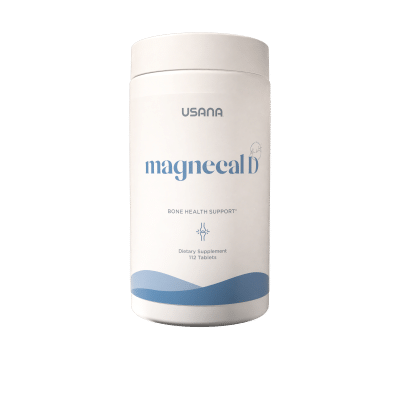
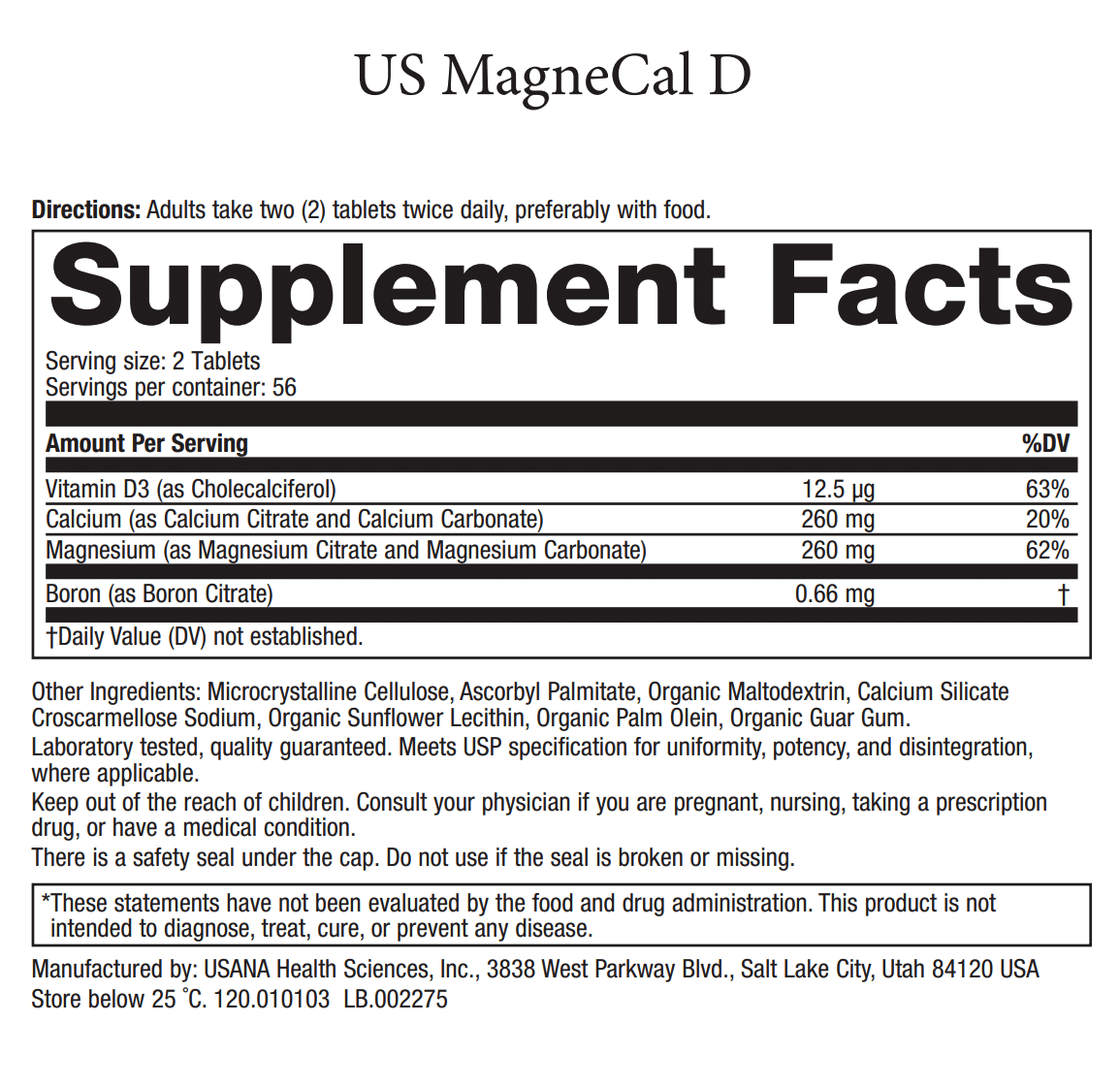
USANA MagneCal D
Build a strong foundation for your active life with a carefully balanced bone-building supplement.*
Build Your Bone Health and Beyond with USANA MagneCal D
Make no bones about it, calcium, magnesium, and vitamin D are all vital to your everyday health. The good news is that dietary surveys show most people are generally consuming more calcium now than in recent decades. The bad news? Overall calcium consumption is still falling a bit short of optimal dietary amounts. And the majority of people fall significantly far below adequate intakes of magnesium or vitamin D.*
By consuming more calcium than magnesium, you may have an imbalance that, according to researchers, could negatively impact your long-term health. The Center for Magnesium Education and Research recommends something close to a 2:1 ratio of total calcium to magnesium per day—from food and supplements.
Vitamin D is another nutrient that continues to show benefits up to as much as 125 mcg per day. And it has repeatedly been shown that calcium is most beneficial when taken with vitamin D and magnesium.*
Long story, short: you probably need more magnesium and vitamin D than you’re already getting. But not necessarily a lot more calcium.*
Fortunately, supplementing these key nutrients is easy. And, it’s one of the best ways to reach more ideal levels. However, most calcium supplements provide much more calcium than magnesium—making the imbalance worse. USANA MagneCal D is different. It offers a 1:1 ratio of magnesium and calcium.*
This equal ratio means you get more magnesium—but not a lot of extra calcium—to help you get closer to the overall 2:1 ratio. Plus, you get advanced levels of vitamin D. Together, this formula delivers a better balance that matches today’s dietary needs.
MagneCal D can help you maintain many aspects of good health.* Here are just a few:
- Strong, mineral-rich bones and teeth*
- Healthy muscle and nerve function*
- Energy metabolism*
- Cardiovascular health*
The kosher formula is an excellent complement to the USANA® CellSentials™. Together, they will help give you optimal amounts of nutrients with excellent absorption and maximum effectiveness.*
It’s Elemental—USANA MagneCal D Builds Your Bone Stores
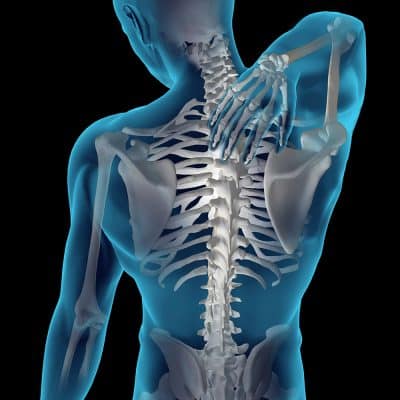
Calcium and magnesium are important for many different physiological processes that keep you healthy. Calcium is the most abundant mineral in your body. And while there isn’t as much magnesium, it’s certainly no less important. Magnesium is vital for your health. It’s required to activate more than 300 enzyme reactions. Some of these reactions include helping your body make things, like protein, DNA, RNA, and glutathione.*
The majority of calcium and magnesium in your body is stored in your skeleton. In fact, 99 percent of calcium is found in your teeth and bones. About 60 percent of magnesium is stored there. The remaining calcium and magnesium reside in your tissues and bloodstream.*
The levels of calcium and magnesium in your bloodstream are tightly regulated by the body. Calcium and magnesium are pulled from your bones when needed to maintain steady levels. This process is called “resorption,” and it means your body is re-absorbing those minerals. It’s also a key part of the normal bone remodeling process, in which your body breaks down and reforms new bone.*
This remodeling process requires sufficient amounts of magnesium, calcium, and vitamin D to be available from the diet to help reform the bones properly. These nutrients all work together—along with other elements like phosphorus, silicon, and boron—to ensure proper calcium utilization and absorption.

Magnesium is also a cofactor that helps the body use vitamin D. So, if you don’t have enough calcium, magnesium, and vitamin D available from your diet, your blood- and bone-mineral levels may be negatively affected.*
If you don’t eat much dairy, leafy green vegetables, nuts, or fortified foods you may not get enough calcium, magnesium, or vitamin D. Drinking coffee, soda, or alcohol may further deplete your magnesium levels. And if you regularly wear sunscreen or stay out of the sun, you very likely need more vitamin D.*
MagneCal D helps boost your dietary intakes to help build up your bone stores of calcium and magnesium. MagneCal D contains blends of these essential minerals in citrate and carbonate forms. Together, these blends absorb well and may be gentler on your digestive system.
Added vitamin D helps ensure your body can use the calcium most effectively. This is in addition to the essential vitamin’s many benefits for cellular function and whole body health. MagneCal D uses vitamin D3 from cholecalciferol—the same form of vitamin D that’s naturally made in the body. *
MagneCal D also contains silicon and boron. Silicon is found in active growth areas where it’s thought to promote bone growth and hasten mineralization. The mineral also gives stability to connective tissues. Boron may play a role in bone maintenance by reducing calcium excretion and increasing deposition of calcium in the bone.*
A Strong Body Starts with Your Bones

Your skeletal system is your greatest supporter—your source of inner strength. It literally bears the weight of your world. This interconnected system is made of more than 200 bones plus tendons, ligaments, and cartilage that joins them.*
Bones are the major part of your skeleton. They give your body structure and hold you up and protect your internal organs. Bones are a site of red blood cell production. And, as mentioned above, your bones store minerals needed to support many physiological processes.*

Your bones are made of hard, dense connective tissue on the outside and a spongy inner layer that is lighter and less dense on the inside that is always changing. The entire skeletal structure constantly remodels itself. New bone is always being built to replace old bone that’s being torn down. In 10 years, you’ll have a completely new skeleton.*
You reach peak bone mass by early adulthood. So, you want to do everything you can to build your bones through your late twenties. Then, do what you can to preserve what you have. Your bone mass will begin to gradually decrease after about the age of 25. And, as part of the normal aging process, women after menopause begin to lose bone mass more rapidly.*
Keeping your bones strong hinges on having enough calcium and magnesium available during the remodeling process. If your body consistently uses more of these nutrients than are replaced, it may lead to bone loss.*
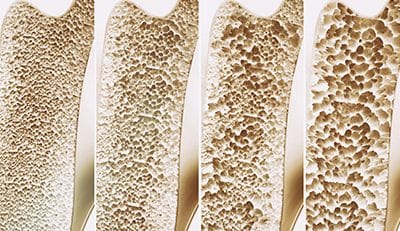
If you lose too much bone mass or your body doesn’t make enough new bone, it can lead to frailty, osteopenia (weakened bones), or osteoporosis. The word for this medical condition means “porous bones.” It causes bones become brittle and fragile from loss of tissue. Bones can become so fragile that minor falls or stresses can cause a fracture. In extreme cases, even coughing or sneezing can break a bone. Likewise, without sufficient vitamin D, bones can become thin, brittle, or misshapen.*
Help your bones stand strong with MagneCal D. Adequate vitamin D and calcium, as part of a healthy diet, along with physical activity, may reduce the risk of osteoporosis in later life. Several population-based studies have found positive associations between magnesium intake and bone-mineral density in both men and women. Consistently higher intakes of the nutrients in MagneCal D have also shown benefits in preserving bone-mineral density for post-menopausal women.*
Along with good oral care, the nutrients in USANA’s MagneCal D can help support healthy teeth, too. Preserving bone density helps protect the health of your pearly whites. Calcium and adequate vitamin D levels have also been linked to maintaining healthy gums.*

Skeletal Support for Your Muscles and Nerves Helps Keep You Moving

A sturdy skeleton involves more than your bones. Your muscles work with your bones and joints to keep your body aligned and moving. The muscular system is made up of skeletal muscle tissue, blood vessels, tendons, and nerves.*
By promoting healthy bone mineralization, the ingredients in MagneCal D give you more complete neuromuscular support. It helps ensure your body has what it needs for proper muscle and nerve function.*
Nerves cells known as motor neurons play a role in muscle function. They do this by transmitting information from the brain, telling your muscles to contract or relax. Calcium and magnesium in your bloodstream are needed for those electrical signals and reactions. So, keeping the two elements in balance helps maintain proper muscle function.*
Vitamin D also helps maintain normal functioning of the nervous system. It helps maintain calcium balance, and has also been associated with the production and release of proteins needed for normal nerve cell signaling.*

The fat-soluble vitamin can also influence muscle strength, especially in people over 50. Studies have shown a higher level of vitamin D in the body is correlated with preserved muscle health. Keeping muscles strong is essential for maintaining physical performance—a key part of staying active and independent throughout life.*
Be Good to Your Heart with MagneCal D

Your heart is a muscle. This tissue is responsible for making your heart contract and relax to pump blood through your body. So, supporting healthy muscle function and electrical conduction can help keep your heart beating strong. (Muscle tissue is also found in other organs and parts of your body, including your digestive system.)*
That’s just one of the ways MagneCal D can help support your heart.*
Getting the proper balance of nutrients is the key to a supplement’s ability to help maintain heart health. You wouldn’t want to supplement with calcium alone. You need a blend of nutrients that helps ensure calcium is deposited in your bones.*
Magnesium and vitamin D, in addition to calcium, are the key to showing your heart some love with a supplement. Supplementing with vitamin D or magnesium has been shown to help maintain healthy, normal blood pressure (already in the normal range).*
Adequate amounts of magnesium and vitamin D have been linked to support for healthy blood flow in two important ways:
- Supporting normal endothelial function. Endothelial cells are responsible for telling your blood vessels to expand and contract. They also support healthy blood clotting, which also requires calcium ions to function properly.*
- Supporting arterial elasticity. The artery’s ability to expand and contract helps maintain normal blood flow. *
A heart-smart partner for MagneCal D is USANA Vitamin K2. It’s a critical nutrient for ensuring calcium from your diet is absorbed by your bones and not by your blood vessels. This action helps maintain healthy, flexible arteries to protect normal cardiovascular function.*
Of course, as part of your overall healthy lifestyle, consume plenty of fruits and veggies, low or non-fat dairy, and less fat to help protect your heart.*
Help Keep Your Energy and Blood Glucose Levels Steady

Your body gets the energy it needs to function from different sources. The magnesium in MagneCal D help support healthy metabolism to break down fats, carbohydrates, and sugars from food into useable energy sources.*
The simple sugar glucose breaks down into glycogen—a preferred energy source for your brain, red blood cells, and muscles. However, too much sugar in the blood can be unhealthy. That’s why it’s important to limit excess sugar and refined carbohydrates from your diet to help keep your blood glucose levels in a healthy range.*
MagneCal D can also help. Intakes of calcium, magnesium, and vitamin D have all been associated with maintaining normal blood sugar levels, provided they are already healthy. This is likely, at least in part, because of the role these nutrients play in supporting overall cell health. They also participate in the complex reactions that regulate how your body responds to sugar.*
Magnesium is also a critical part of the metabolism process that helps energize your cells. It provides important support to your mitochondria—your cellular power plants. And, magnesium is needed during production of adenosine triphosphate (ATP)—the energy that powers cellular function. This cellular energy must be bound to a magnesium ion to become biologically active.*
Maintain a Balanced Mood with MagneCal D

The benefits of MagneCal D extend beyond a strong skeleton to other forms of inner strength. It can also support a balanced mood.
Your mood involves an interplay of many factors, including genetics and biochemistry, lifestyle habits, and dietary patterns. A healthy diet has been linked to positive mood. On the other hand, unhealthy food choices and deficiencies in foundational nutrients have been linked to poor mood.*
You can support brain health with a quality multivitamin like the CellSentials, which will help ensure you get a full range of essential nutrients. MagneCal D also helps you avoid deficiency of two nutrients shown to be helpful for maintaining a balanced mood—magnesium and vitamin D. Both support healthy functions in the brain:*
- Magnesium helps support healthy neuronal function. Neurons send and receive chemical and electrical signals via messengers called neurotransmitters. Maintaining normal function of this process is vital for healthy brain activity and mood.*
- Vitamin D receptors are extensive in brain tissue. The D3 form has been shown to be neuroprotective. Supplementation of at least 600 IU of the sunshine vitamin per day (also in combination with vitamin A) has suggested benefits in perceptions of well-being.*
Usage
Adults take two (2) tablets twice daily, preferably with food.
Ideal For
- All healthy adults over 18
- Certified Kosher (U.S. formula)
Frequently Asked Questions About USANA MagneCal D
How does coral calcium compare to the calcium used in MagneCal D?
The Federal Trade Commission (FTC) has warned consumers to apply a healthy dose of caution before buying products advertised as having “miracle” ingredients, new and unproven delivery methods, or “guaranteed” results. Many of these “quick cures” are unproven, fraudulently marketed, useless, and in some cases dangerous.
Coral Calcium is promoted mostly on late night infomercials. The marketing practices of coral calcium exploit and exaggerate the known importance and function of calcium and attempt to tie those benefits to their “miraculous” product and its “miraculous” cures. The fact of the matter is that there simply isn’t any good or thorough scientific research on coral calcium – and certainly not enough to support claims of “miraculous results.”
Coral reefs cover less than 1% of the planet’s surface, yet they are home to more than 25% of all marine life (over 4,000 different species of fish, 700 species of coral, and many other plants and animals). Coral reefs are among the world’s most fragile and endangered ecosystems, and strict laws are enforced to preserve them. Since it is illegal to mine live coral reefs, coral calcium must come from a different source. Some marketers of coral calcium attempt to circumvent this by stating that their ingredients are mined from old seabeds buried in the so-called “pristine” desert; or, mined from “fossilized coral sands that accumulated on the sea floor;” or, harvested from “only coral that washes up on the shore.”
The calcium content of coral calcium ranges from 24% to 38% and is composed primarily of calcium carbonate. This is often called “aragonite” or “calcite” to confuse and mislead the consumer into thinking it is something different than the standard forms of calcium already available to consumers.
The bottom line: coral calcium is simply a source of calcium carbonate.
Coral calcium is also touted as having a superior absorption rate. In reality, as long as it is tableted correctly and taken with a meal, calcium has a pretty standard absorption rate no matter what form it comes in. The RDAs for calcium are based on average absorption rates, so the recommended intakes already take into account the absorption rate in average persons.
Robert Heaney, M.D., a leading expert on calcium, has stated, “the advertising claims I’ve seen for coral calcium are outlandish. In the first place, all forms of calcium are poorly absorbed – and for good reason, to prevent dangerous ‘calcium intoxication.’ The idea that any calcium is 100 percent absorbed by the body is ridiculous and if true, would be potentially hazardous.”
In summary, here is what consumers need to know: the human body handles coral calcium just as it would any other calcium supplement. More importantly, there is usually more to a calcium supplement than just the source of calcium. Does the product contain adequate amounts of the other necessary nutrients for optimal bone health (vitamin D, silicon, boron, magnesium, vitamin K) or is it just a calcium product? Does it listelemental weights or complex weights? What is the delivery system?
Can taking MagneCal D upset my stomach?
Higher intake of supplemental magnesium can lead to gastrointestinal discomfort. If you experience any discomfort, try reducing your daily dosage and gradually increasing to your desired levels of daily intake.
Is it possible to take too much calcium?
Adverse effects of calcium in normal adults have been observed with chronic intakes above 2500 mg/day. The upper tolerable limit for adults 51 and older is 2000 mg/day.
References
Jugdaohsingh, R. Silicon and Bone Health. J Nutr Health Aging. 2007 Mar-Apr; 11(2): 99–110.
Nieves JW. Osteoporosis: the role of micronutrients. 2005. Am J Clin Nutr 81(5):1232S-9S.
Larsson SC, Wolk A. 2007. Magnesium intake and risk of… J Intern Med 262(2): 208-14.
Anastassios G, et al. 2006. Vitamin D and calcium intake in relation to… Diab Care 29(3): 650-656.
Anastassios G, Lau J, Hu F, Dawson-Hughes B. 2007. The Role of Vitamin D and Calcium in type 2 diabetes. A systematic Review and Meta-Analysis* J Clin Endocrinol Metab 92(6) : 2017-2029.
Wrzosek M, et al. 2013. Vitamin D and the central nervous system. Pharmacol Rep 65(2): 271-8.
Wang, et al. 2008. Vitamin D deficiency and risk of cardiovascular… Circulation 117: 503-511.
Tarleton EK, et al. 2017. Role of magnesium supplementation in the treatment of depression: A randomized clinical trial. PLoS One 12(6) [Internet] [accessed 20 Mar 18] Available at https://www.ncbi.nlm.nih.gov/pubmed/28654669
Boyle NB, Lawton C, Dye L. 2017. The Effects of Magnesium Supplementation on Subjective Anxiety and Stress—A Systematic Review. Nutrients 9(5): 429. https://www.ncbi.nlm.nih.gov/pmc/articles/PMC5452159/
Soni M, et al. 2012. Vitamin D and cognitive function. Scand J Clin Lab Supl [Internet] [accessed 20 Mar 2018] Available at https://www.ncbi.nlm.nih.gov/pubmed/22536767
You Might Also Enjoy

Bone Health: Understanding Bone Anatomy
Your bone anatomy makes your skeleton more than your body’s framework. Learn about your skeletal system and how you can support your bone health.

Your Guide to Essential Minerals
Your body needs minerals to operate properly. Learn about the essential minerals you need to achieve your best health.

The 8 Pillars of Holistic Health and Wellness
Learn the eight pillars that support your holistic health and wellness, and help you live your best life.
*These statements have not been evaluated by the Food & Drug Administration. This product is not intended to diagnose, treat, cure, or prevent any disease.
Toxicities of vitamins and minerals have been researched at length, and USANA has considered all available information when formulating products. Most vitamins have low toxicities, and for many no toxicity has ever been observed. Some fat-soluble vitamins can be toxic at high doses, but even when typical dietary intakes are considered, the amounts of vitamins and minerals in USANA supplements – when used as directed – do not come close to harmful levels.
Chronic intakes of vitamins and minerals at levels exceeding the LOAEL (Lowest Observed Adverse Effect Level) can cause health problems, but the amounts of vitamins and minerals found in USANA’s products have been formulated to remain below these levels. USANA products are designed to enhance health, not be detrimental to it.
A good source of information on general vitamin and mineral safety is “Vitamin and Mineral Safety, 3rd Edition” by John N. Hathcock, Ph.D. Council of Responsible Nutrition. 2014. Concerned individuals can also contact the Council for Responsible Nutrition
Additional information on this topic can be found at the following “Ask the Scientists” article: Why do I need nutritional supplements?
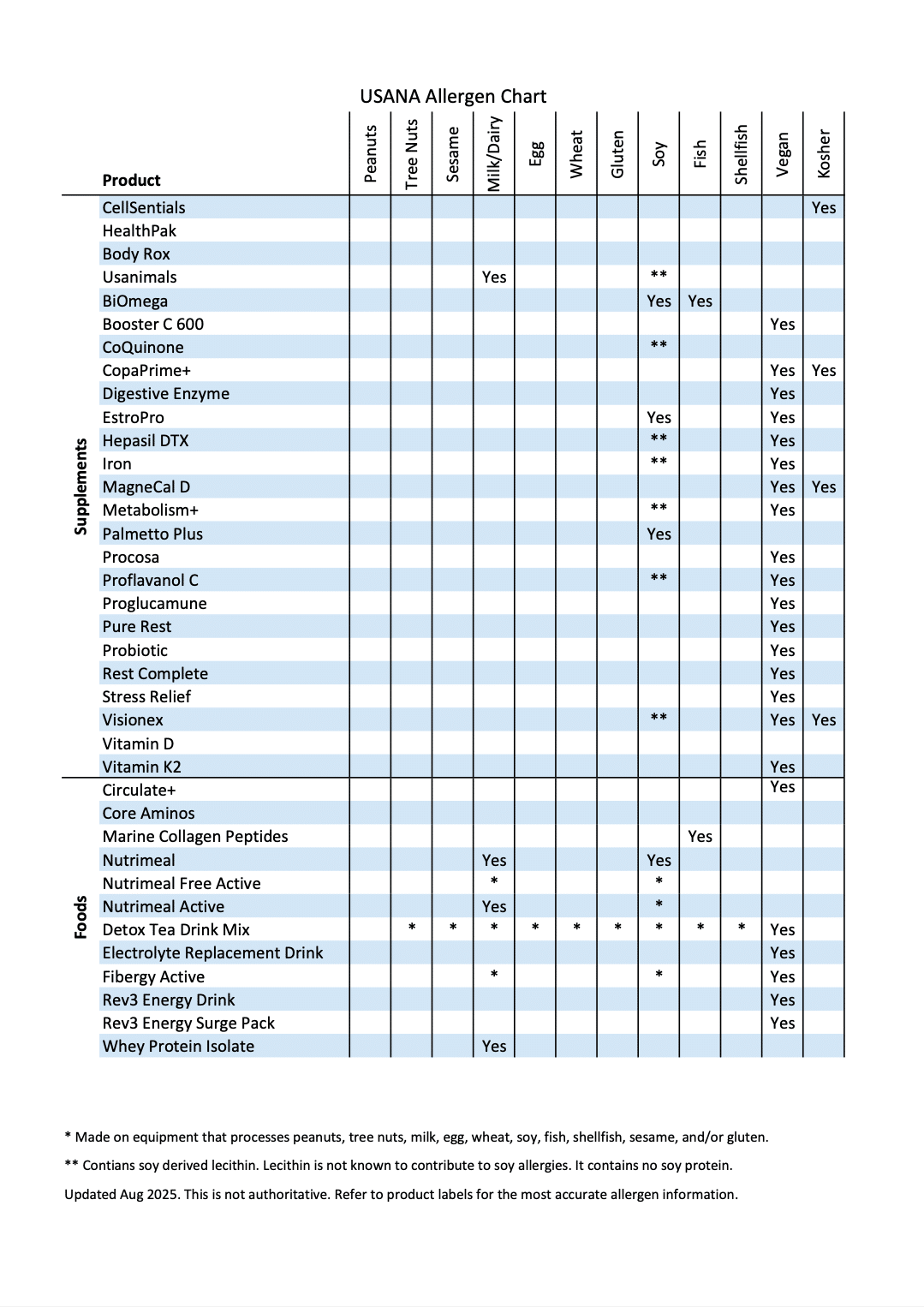
The USANA allergen chart can help you find out which common potential allergens are in USANA products.


Nutritional supplement use is rising, reflecting sustained interest in accessible ways to enhance overall wellness.
Nutritional supplements have become a common part of many people’s wellness routines. For individuals wanting additional vitamins, minerals, and other nutrients, supplements offer a convenient way to complement what they receive from food. While supplements are not intended to replace a healthy diet, they can serve as an accessible option for individuals looking to support their nutritional needs.
A 2026 survey reported that nutritional supplement use continues to grow. 76% of survey participants reported taking supplements daily, and 44% reported increased use in 2025 compared to 2024.
Participants prioritized supplements for:
- General health (55%)
- Immunity (47%)
- Energy support (44%)
- Stress and mood support (41%)
- Weight management (35%)
These trends are consistent with a CRN Consumer Survey from 2023 that reported 74% of Americans consumed dietary supplements. Together, these data points suggest a sustained interest in supplement use to support overall wellness.
What are Supplements?
Dietary supplements provide vitamins and other nutrients to fill nutritional gaps and offer targeted support alongside a healthy diet.
Nutritional supplements (or dietary supplements) are ingestible products, tablets, capsules, powders, or liquids, taken to provide additional nutrients to the diet and support healthy bodies. They contain ingredients like vitamins, minerals, herbs, amino acids, and enzymes. Supplements are not intended to replace whole food meals but rather are a simple and effective way to fill nutritional deficiencies or offer targeted support for specific aspects of health.
Why Take Nutritional Supplements?
Supplements support natural body functions, address nutrient deficiencies, and offer targeted benefits, helping individuals optimize wellness when diet alone doesn’t meet their needs.
Many people use supplements to help support the body’s natural processes and maintain everyday well‑being. Certain nutrients and bioactive compounds can play supportive roles in areas like energy production, sleep quality, cognitive focus, and athletic performance. Others help the body respond to stress, maintain normal immune function, or promote healthy metabolism. Supplements can offer targeted support for specific wellness goals to help individuals feel their best.
Ideally, your body maintains adequate micronutrient levels and healthy balance through diet. While you should be able to acquire all the necessary micronutrients from your diet, circumstances often don’t meet expectations, leading to a deficiency. To support your healthy body, supplements can fill in the gap when there’s a deficiency.
Causes of micronutrient deficiencies vary by person and circumstance. Medical conditions, dietary restrictions, socio-economic status, lifestyle choices, pregnancy, aging, or other conditions can spur the need for supplemental nutrients. Different ingredients in supplements can target different bodily systems from your bones to your eyes.
Additionally, beyond simply correcting nutritional shortfalls, many individuals turn to specialized supplements to proactively optimize specific physiological functions. Rather than just returning the body to a baseline, targeted bioactive compounds are often taken to help fine-tune performance and address unique health objectives. Whether the goal is to support joint and cartilage integrity during rigorous physical activity, enhance cellular energy production, or support robust cognitive activity, these targeted formulations act as strategic tools that allow individuals to customize their regimen and actively pursue their personal peak wellness.
The Validity of Supplements
Some supplements have strong evidence, while others show mixed results due to complex nutrition research. Used thoughtfully, supplements can help meet nutrient needs and support wellness when diet alone is insufficient.
Some types of supplementation are well‑established within modern healthcare. Examples include the use of calcium and vitamin D to help maintain healthy bone density, as well as folic acid supplementation during pregnancy to help reduce the risk of certain birth defects. In these areas, research has consistently supported clear benefits.
In other areas, such as antioxidant supplementation for heart health, the research has been much less consistent. This is because promising biological mechanisms don’t always lead to proven benefits in people, and factors like nutrient absorption, differences in study design, and the complexity of how antioxidants work in the body can all affect outcomes. These variables often lead to mixed results across large clinical trials, making firm conclusions harder to reach.
While the evidence in some areas remains mixed, this should not be viewed as a reason to avoid supplementation altogether. Instead, it highlights the complexity of nutrition research. Many nutrients play essential roles in maintaining normal body function, and supplements can be a practical way to help meet those needs, especially when diet alone may fall short. When used thoughtfully and as part of an overall healthy lifestyle, supplements can be a valuable tool for supporting wellness, even as science continues to refine its understanding.
Micronutrient Deficiencies
Micronutrient deficiencies are a widespread but often overlooked health issue. Lacking key nutrients like iron, iodine, or vitamin D can impair essential body functions, making awareness and proactive nutritional support important.
The World Health Organization (WHO) characterizes micronutrient deficiencies as one of the world’s most serious but less visible health problems. Common micronutrient deficiencies worldwide include:
- Iron—Supports healthy red blood cell formation and normal oxygen transport in the body
- Iodine—Plays a key role in maintaining normal thyroid function
- Vitamin A—Important for eye health and immune function
- Zinc—Helps keep cellular processes functioning normal and supports normal immune function
- Folate (vitaminB9)—Contributes to healthy fetal development and supports normal cell division
- Vitamin D—Helps the body maintain strong bones, normal muscle function, and effective calcium absorption
While global micronutrient deficiency is a serious problem, individual deficiencies are also a concern. Understanding the negative effects of micronutrient deficiencies can help you plan healthy solutions and support your healthy body.
The History of Supplements
Nutrition science evolved from preventing deficiency diseases to studying long‑term health impacts. As research expanded, interest in supplements grew, prompting ongoing studies exploring their potential role in supporting overall wellness.
Prior to 1960, interest in nutrition focused mainly on the prevention of acute nutrient deficiency diseases, such as scurvy, rickets, and pellagra. Through the 20th century, scientists identified 50 essential nutrients (vitamins, minerals, antioxidants, cofactors, essential amino acids, and essential fatty acids). As understandings grew, international bodies including the World Health Organization and the Food and Agricultura Organization worked to evaluate global dietary patterns and establish recommended nutrient intakes for populations worldwide. These efforts played a major role in helping reduce nutrient-deficiency diseases.
During the past decades, focus has shifted to studying the effects of long-term diet and nutrition on the heart, bones, joints, eyes, nervous system, and immune system. Many of these interactions take decades (or lifetimes) to study. Despite this, advances in epidemiological and clinical research have uncovered a great deal of information about the impact of diet and nutrient intakes on long-term health.
In recent years, researchers have paid more attention to nutritional supplements as possible components of a healthy diet. These studies have used a wide variety of research methods and have produced both positive and negative results. Renewed interest in supplements has prompted further study.
Where to Learn More
The following categories provide example search terms you can use in PubMed or other scientific databases to explore peer‑reviewed research on nutritional supplements and functional foods. These suggested queries are intended to help you find relevant studies on a variety of health topics. By conducting your own searches through reliable scientific sources, you can build your understanding of the current state of nutritional research.
For convenience, references have been sorted by health issue: