Vitamins B9 (Folate) and B12 (Cobalamin) are water-soluble vitamins that are essential to health. Because of these vitamin’s role in all stages of life, from fetus to adulthood, many foods are fortified with these vitamins and vitamins supplements contain them to help individuals avoid deficiency.

Over the last decade, methylated forms of vitamins B9 and B12 have become popular supplement alternatives to the traditional forms that have been well-researched and used for decades. Each of these vitamins has their own benefits and reasons for different forms being available. Read on to learn more.

Vitamin B9 (Folate)

Folate regulates cellular metabolism and cell division. Coupled with its role in DNA and RNA, it supports healthy tissue growth and the regeneration of red blood and immune cells. It’s essential for fetal development, so it’s critical for pregnant women and those who may become pregnant to get enough folate.

It is always better to get nutrients from a healthy diet, and no supplement replaces the overall benefit of a healthy and nutritious diet. Foods containing folate are generally very nutritious, but folates themselves are not always the most bioavailable. As a result, the average intake of folates in food are typically well below recommended levels.

Low folate levels are especially concerning among women of child-bearing age. This is the reason that foods have been fortified with folic acid in many countries, and folic acid supplementation has become so popular.

Folic acid is the form most commonly used in fortification and supplements because it is generally more bioavailable, more stable, and less complex than food folates. The appearance of methylfolate is largely due to developments in the science of human genetics, and the discovery of a particular gene (MTHFR) that influences the ability to metabolize this vitamin.

MTHFR Variants

The methylene tetrahydrofolate reductase (MTHFR) gene codes an enzyme that converts folic acid into a form that can be used by the human body, and is also responsible for converting homocysteine into methionine. One variant of the MTHFR gene (MTHFR C677T) results in a reduced capacity for metabolizing folic acid.

Your DNA contains two copies of the MTHFR gene, one from each of your parents. You could potentially have one or two copies of the MTHFR C677T gene variant. Having a single mutation of the MTHFR gene is rather common, and is typically medically irrelevant since one gene is still functioning normally.

Where you might have heard about more concern, is when the C677T variant is present on both copies of a person’s MTHFR genes (homozygous MTHFR C677T variant). Even in the case of a homozygous MTHFR C667T, research has shown that adequate dosages of regular folic acid, can be used safely and with good success (Moll S).

Statements like folic acid is ineffective in people with MTHFR “mutations”, it blocks methylation, can’t be absorbed, or is unsafe, are exaggerations and not entirely accurate. This variant merely lessens the efficiency of conversion.

What’s important when discussing folate (as folic acid, methylfolate, or any other form) is blood levels of folate. In other words, regardless of the form and differences in bioavailability, dosages, etc, the goal is to have adequate blood folate levels. Even with the MTHFR C677T variant, individuals can normalize their serum folate levels with consistent intake of adequate levels of folic acid. In fact, folic acid is the most researched type of folate shown to prevent neural tube defects (Crider, Crider, Wilcken, Tsang, Seyoum).

On the other hand, too much folic acid or unmetabolized folic acid (UMFA) is not entirely without issues either. So, you cannot take endless amounts to compensate for decreased absorption. Fortunately, the body is very resilient, and studies suggest that there are mechanisms by which the body adapts to higher folic acid intakes to limit exposure to unmetabolized folic acid (Tam).

Regardless of MTHFR variant, folic acid at levels of 600-1,000 mcg falls in a range that is both safe to consume and will typically increase blood-folate to an adequate level.

Vitamin B12 (Cobalamin)

Vitamin B12 is an extremely complex molecule. Humans rely on the bacteria in their gut to make much of the vitamin B12 in their body. The other source of vitamin B12 is animal products, where the animals also obtained this vitamin from bacteria in their gut.

While anyone can have low vitamin B12 levels, vegetarians and vegans are especially susceptible to vitamin B12 deficiency because they don’t eat meat products—the main source vitamin B12. Those who are low in vitamin B12 will likely need to turn to supplementation.

Vitamin B12 is the only vitamin that cannot be made entirely synthetically. It is produced via a complicated process referred to as biosynthesis, since we rely on micro-organisms to manufacture or “synthesize” the vitamin. It is manufactured in basically the same way nature makes it in the gut.

The most common biosynthesis uses a bacterium called pseudomonas dentrificans and takes over twenty separate chemical reactions. This is the way nearly all commercially available vitamin B12 is made and available. Different forms such as cyanocobalamin and methylcobalamin would be biosynthesized the same way, with a single substitution reaction at the end between the methyl group and cyanide group.

Cyanocobalamin is the most common supplemental form of vitamin B12, due to its increased stability over forms like methylcobalamin.

Studies show cyanocobalamin can be readily converted in the body to active vitamin B12. When comparing cyanocobalamin to methylcobalamin, overall dosage and frequency of supplementation play a more important role than form in ensuring adequate blood levels (Zugravu).

Methylfolate and Methylcobalamin as Methyl Group Donors

It is not necessary to take methylcobalamin or methylfolate to support normal methylation. They are already abundant in a mixed diet. Typical intake of choline provides about 1,000 times more methyl groups, than typical intake of folate. In addition to choline, other B vitamins and amino acids like methionine provide thousands of times more methyl groups than simply taking methylated folate and B12.
Crider KS, Devine O, Hao L, et al. Population red blood cell folate concentrations for prevention of neural tube defects: Bayesian model. BMJ. 2014;349:g4554.

Crider KS, Yang TP, Berry RJ, Bailey LB. Folate and DNA methylation: A review of molecular mechanisms and the evidence for folate’s role. Adv Nutr. 2012;3(1):21-38.

Moll S, Varga EA. Homocysteine and MTHFR Mutations. Circulation. 2015;132(1):e6-9.

Seyoum E, Selhub J. Properties of food folates determined by stability and susceptibility to intestinal pteroylpolyglutamate hydrolase action. J Nutr. 1998;128(11):1956-1960.

Tam C, O’Connor D, Koren G. Circulating unmetabolized folic Acid: relationship to folate status and effect of supplementation. Obstet Gynecol Int. 2012;2012:485179.

Tsang BL, Devine OJ, Cordero AM, et al. Assessing the association between the methylenetetrahydrofolate reductase (MTHFR) 677C>T polymorphism and blood folate concentrations: a systematic review and meta-analysis of trials and observational studies. Am J Clin Nutr. 2015;101(6):1286-1294.

Wilcken B, Bamforth F, Li Z, et al. Geographical and ethnic variation of the 677C>T allele of 5,10 methylenetetrahydrofolate reductase (MTHFR): Findings from over 7000 newborns from 16 areas world wide. J Med Genet. 2003;40(8):619-625.

Zugravu CA, Macri A, Belc N, Bohiltea R. Efficacy of supplementation with methylcobalamin and cyancobalamin in maintaining the level of serum holotranscobalamin in a group of plant-based diet (vegan) adults. Exp Ther Med. 2021;22(3):993.

Science has been at the heart of USANA since the very beginning, over 25 years ago. The company’s research and development (R&D) team is focused on developing high-quality, science-based products that help support long-term health.

USANA’s R&D team includes experts on human nutrition, cellular biology, biochemistry, genetics, the microbiome, as well as medical doctors. In addition to product research, USANA maintains a staff of scientists dedicated to the manufacturing and quality control of its products.

The company also has relationships and collaborates on research with a number of universities and research institutes. This includes the University of Washington; the University of Texas Medical Branch, Galveston, Texas; the University of Utah; The Foods for Health Institute at The University of California, Davis; and The University of North Carolina at Pembroke.

Read below to learn about USANA’s newest research, patents, and past research that went into developing existing products.

Catch Up on USANA’s Newest Research

Advanced Doses of Vitamin D are Required to Achieve Optimal Vitamin D Status, Particularly During the Winter

A 28-day Lifestyle Intervention Program Incorporating a Meal Replacement Shake Improves Indices of Human Health

A Novel Assay for Determining Plasma Antioxidant Capacity

Bioavailability of Epicatechin after Consumption of Grape Seed Extract in Humans

Bioavailability of Silicon from Three Sources

Bioavailability of USANA Essentials vs Four Select Competitor Products

Brightening Skincare Clinical Trial

Calcium-Magnesium-Vitamin D Supplementation Improves Bone Mineralization in Preadolescent Girls

Celavive Clinical Trial

Comparative Absorption of Water Soluble Vitamins from Five Supplements

Comparative Bioavailability of Coenzyme Q10 in Four Formulations

Effects of Antioxidant Supplementation on Oxidative Stress in Trained Cyclists

Effects of Broad-Spectrum Antioxidant Supplementation on the Antioxidant Status of Human Plasma

Genetic and Epigenetic Signature Identifies Individuals with Elevated Response to Vitamin B12 Supplementation

Genetic Risk of Methylene Tetrahydrofolate Reductase Single Nucleotide Polymorphism on Blood Homocysteine is Dependent on Sex, Race, and Supplement Use

Glycemic Index (GI) Scores for USANA’s Chocolate, Vanilla, and Strawberry Nutrimeals

Glycemic Index (GI) Score for USANA’s Fibergy Bar and Chocolate Nutrimeal

Glycemic Index (GI) Score for USANA’s Peanut Butter Crunch Nutrition Bar

Grape Seed Extract Plus Vitamin C Improves Indices of Vascular Health

Hepasil DTX™ Increases Antioxidant and Detoxification Capacity by Boosting Glutathione and Vitamin C (1)

Hepasil DTX™ Increases Antioxidant and Detoxification Capacity by Boosting Glutathione and Vitamin C (2)

Method of Assessment of Antioxidant Status In Vivo

Pharmacokinetics of Poly C versus Ascorbic Acid

Resurfacing Serum Clinical Trial

Short-term CellSentials Supplementation Significantly Improves the Quality of Life Metrics of Essentials Users

Ubiquinone versus Ubiquinol Clinical Research Bulletin

USANA CellSentials® Supplementation Significantly Increases Circulating Serum Nutrient Levels

Vitamin D Supplementation is Required During the Winter to Obtain Optimal Vitamin D Status

Brown M, Cuomo J, Tian J, USANA Health Sciences, Inc. 2017. U.S Patent No 10,632,101 Salt Lake City, UT: U.S. Patent and Trademark Office.

McDonald JH, McDonald SC, Lundmark LD, Kabara JJ, Garruto JA, USANA Health Sciences, Inc. 2007. U.S. Patent No 7,214,391. Salt Lake City, UT: U.S. Patent and Trademark Office.

Cuomo J, Rabovsky AB, USANA Health Sciences, Inc. 2002. U.S. Patent No 6,361,803. Salt Lake City, UT: U.S. Patent and Trademark Office.

Cuomo J, Rabovsky AB, USANA Health Sciences, Inc. 2002. U.S. Patent No 6,358,542. Salt Lake City, UT: U.S. Patent and Trademark Office.

Bosse JD, Dixon BM. Dietary protein in weight management: a review proposing protein spread and change theories. Nutr Metab (Lond). 2012;9(1):81.

Bosse JD, Dixon BM. Dietary protein to maximize resistance training: a review and examination of protein spread and change theories. J Int Soc Sports Nutr. 2012;9(1):42.

Cuomo J, Appendino G, Dern AS, Schneider E, McKinnon TP, Brown MJ, Togni S, Dixon BM. Comparative absorption of a standardized curcuminoid mixture and its lecithin formulation. 2011. J Nat Prod 74(4):664-9.

Eich N, Schneider E, Cuomo J, Rabovsky A, Vita JA, Palmisano J, Holbrook M. Bioavailability of epicatechin after consumption of grape seed extract in humans. FASEB. 2007;21(6).

Enomoto, AC, Schneider, E, McKinnon, T, Goldfine, H, Levy, MA. Validation of a simplified procedure for convenient and rapid quantification of reduced and oxidized glutathione in human plasma by liquid chromatography tandem mass spectrometry analysis. Biomedical Chromatography. 2020; 34:e4854.

Gamache P, Rabovsky A, Cuomo J. Lipoic acid analysis in food supplements by HPLC with Coulometric Array Detector. 1999. Presentation, Pittsburgh Conference on Analytical Chemistry and Applied Spectroscopy, Pittsburgh, Pennsylvania, USA.

Ivanov V, Rabovsky A. Extracellular Matrix Regulates Proliferation Rate of Vascular Smooth Muscle Cells: Role of Hyaluronic acid. 1996. Abstract Presentation, Becton Dickinson Symposium on Extracellular Matrix, ECM Interactions, London, UK.

Jin H, Cheng H, Chen W, et al. An evidence-based approach to globally assess the covariate-dependent effect of the MTHFR single nucleotide polymorphism rs1801133 on blood homocysteine: a systematic review and meta-analysis. Am J Clin Nutr. 2018;107(5):817-825.

Jin H, Maddela Rolando L, Sinnott Robert A. The Effects of a Multivitamin, Multimineral, and Multiantioxidant Supplement on Cardio-Metabolic Risk Biomarkers: A Cross-Sectional Study. Journal of Food and Nutrition Sciences. 2020;8(5)127-138.

Jin H, Nicodemus-Johnson J. Gender and Age Stratified Analyses of Nutrient and Dietary Pattern Associations with Circulating Lipid Levels Identify Novel Gender and Age-Specific Correlations. Nutrients. 2018;10(11).

Levy MA, Mckinnon T, Barker T, et al. Predictors of vitamin D status in subjects that consume a vitamin D supplement. Eur J Clin Nutr. 2015;69(1):84-9.

Levy M A, McKinnon T, Goldfine H, Enomoto A, Schneider E, Cuomo J. Consumption of a multivitamin/multimineral supplement for 4 weeks improves nutritional status and markers of cardiovascular health. Journal of Functional Foods. 2019;62.

Levy M, Wu JR, Shi JP, et al. Proof-of-Concept and Feasibility Study to Evaluate the Effect of β-Glucan on Protective Qi Deficiency in Adults. Chin J Integr Med. 2021;27(9):666-673.

Mazumder P, Chuang HY, Wentz MW, Wiedbrauk DL. Latex agglutination test for detection of antibodies to Toxoplasma gondii. J Clin Microbiol. 1988;26(11):2444-6.

McDonald J, Preobrazhensky S, Malugin A, Rabovsky A, Wood T, Wentz M. Effect of Vitamin E Supplementation on susceptibility to oxidation of isolated low density lipoprotein and apolipoprotein B-100 in unfractionated blood. 1997. Abstract Presentation, XI International Symposium on Atherosclerosis, Paris, France.

Nicodemus-johnson J, Sinnott RA. Fruit and Juice Epigenetic Signatures Are Associated with Independent Immunoregulatory Pathways. Nutrients. 2017;9(7).

Preobrazhensky S, Malugin A, Wentz M. Flow cytometric assay for evaluation of the effects of cell density on cytotoxicity and induction of apoptosis. Cytometry. 2001;43(3):199-203.

Preobrazhensky S, Rabovsky A, Goldmacher V, Wentz M. Comparative study of cytotoxic action of low density lipoprotein and cumene hydroperoxide on various lymphoid cell lines. 1997. XI International Symposium on Atherosclerosis, Paris, France.

Preobrazhensky S, Trakht I, Chestkov V, Wentz M. Monoclonal antibody-based immunoassay for evaluation of lipoprotein oxidation. Analytical Biochemistry. 1995;227(1):225-34.

Rabovsky A, Cuomo J. Olive oil: Direct measure of antioxidant activity. Free Rad Bio Med 1999;27(Supp 1):S42.

Rabovsky A, Cuomo J, Eich N. Measurement of plasma antioxidant reserve after supplementation with various antioxidants in healthy subjects. Clin Chim Acta. 2006;371(1-2):55-60.

Rabovsky A, Cuomo J, Wentz M. Inhibition of fat absorption with grape seed antioxidants. Free Rad Bio Med 1998;25(Supp 1):96.

Rabovsky A, Preobrazhensky S, Wentz M. In vitro antioxidant activity of flavonoids measured using different procedures. 1996. Abstract Presentation, 3rd Annual Meeting of the Oxygen Society, Miami Beach, Florida, USA.

Rabovsky A, Preobrazhensky S, Wentz M. Protection of cultured human cells from oxidative damage by alpha-tocopherol, ascorbic acid and flavonoids. 1996. Abstract Presentation, VIII Biennial Meeting International Society for Free Radical Research, Barcelona, Spain.

Rabovsky A, Preobrazhensky S, Wentz M. Synergistic action of Ascorbic Acid and Bioflavonoids in protecting Apolipoprotein B from oxidation. 1996. Abstract Presentation, VIII Biennial Meeting International Society for Free Radical Research, Barcelona, Spain.

Tian JJ, Levy M, Zhang X, Sinnott R, Maddela R. Counteracting health risks by Modulating Homeostatic Signaling.2022. Pharmacol Res. 2022;182:106281.

Ball SD, Keller KR, Moyer-mileur LJ, Ding YW, Donaldson D, Jackson WD. Prolongation of satiety after low versus moderately high glycemic index meals in obese adolescents. Pediatrics. 2003;111(3):488-94.

Barker T, Leonard SW, Trawick RH, et al. Modulation of inflammation by vitamin E and C supplementation prior to anterior cruciate ligament surgery. Free Radic Biol Med. 2009;46(5):599-606.

Barker T, Leonard SW, Trawick RH, Walker JA, Traber MG. Antioxidant supplementation lowers circulating IGF-1 but not F(2)-isoprostanes immediately following anterior cruciate ligament surgery. Redox Rep. 2009;14(5):221-6.

Barker T, Leonard SW, Hansen J, et al. Vitamin E and C supplementation does not ameliorate muscle dysfunction after anterior cruciate ligament surgery. Free Radic Biol Med. 2009;47(11):1611-8.

Barker T, Traber MG. Does vitamin E and C supplementation improve the recovery from anterior cruciate ligament surgery? Journal of Evidenced-Based Complementary & Alternative Medicine. 2011;16:114-128.

Barker T, Martins TB, Hill HR, et al. Vitamins E and C modulate the association between reciprocally regulated cytokines after an anterior cruciate ligament injury and surgery. Am J Phys Med Rehabil. 2011;90(8):638-47.

Barker T, Martins TB, Hill HR, et al. Low vitamin D impairs strength recovery after anterior cruciate ligament surgery. Journal of Evidenced-Based Complementary & Alternative Medicine. 2011;16(3):201-209.

Barker T, Martins TB, Hill HR, et al. Different doses of supplemental vitamin D maintain interleukin-5 without altering skeletal muscle strength: a randomized, double-blind, placebo-controlled study in vitamin D sufficient adults. Nutr Metab (Lond). 2012;9(1):16.

Barker T, Martins TB, Kjeldsberg CR, Trawick RH, Hill HR. Circulating interferon-γ correlates with 1,25(OH)D and the 1,25(OH)D-to-25(OH)D ratio. Cytokine. 2012;60(1):23-6.

Barker T, Martins TB, Hill HR, et al. Circulating pro-inflammatory cytokines are elevated and peak power output correlates with 25-hydroxyvitamin D in vitamin D insufficient adults. Eur J Appl Physiol. 2013;113(6):1523-34.

Barker T, Henriksen VT, Martins TB, et al. Higher serum 25-hydroxyvitamin D concentrations associate with a faster recovery of skeletal muscle strength after muscular injury. Nutrients. 2013;5(4):1253-75.

Barker T, Schneider ED, Dixon BM, Henriksen VT, Weaver LK. Supplemental vitamin D enhances the recovery in peak isometric force shortly after intense exercise. Nutr Metab (Lond). 2013;10(1):69.

Barker T, Martins TB, Hill HR, et al. Vitamin D sufficiency associates with an increase in anti-inflammatory cytokines after intense exercise in humans. Cytokine. 2014;65(2):134-7.

Barker T, Henriksen VT, Rogers VE, et al. Vitamin D deficiency associates with γ-tocopherol and quadriceps weakness but not inflammatory cytokines in subjects with knee osteoarthritis. Redox Biol. 2014;2:466-74.

Barker T, Rogers VE, Henriksen VT, et al. Serum cytokines are increased and circulating micronutrients are not altered in subjects with early compared to advanced knee osteoarthritis. Cytokine. 2014;68(2):133-6.

Barker T, Rogers VE, Henriksen VT, et al. Muscular-based and patient-reported outcomes differentially associate with circulating superoxide dismutases and cytokines in knee osteoarthritis. Cytokine. 2019;115:45-49.

Barker T, Rogers VE, Levy M, et al. Supplemental vitamin D increases serum cytokines in those with initially low 25-hydroxyvitamin D: a randomized, double blind, placebo-controlled study. Cytokine. 2015;71(2):132-8.

Bemer B, Krueger SK, Orner GA. Sulindac pharmacokinetics. The role of flavin-containing monooxygenases. 2008. Howard Hughes Medical Institute, Summer Internship Presentation, Oregon State University, September 26.

Best T, Clarke C, Nuzum N, Teo WP. Acute effects of combined Bacopa, American ginseng and whole coffee fruit on working memory and cerebral haemodynamic response of the prefrontal cortex: a double-blind, placebo-controlled study. Nutr Neurosci. 2019;:1-12.

Best T, Miller J, Teo WP. Neurocognitive effects a combined polyphenolic-rich herbal extract in healthy middle-aged adults – a randomised, double-blind, placebo-controlled study. Nutritional Neuroscience. 2024;1-13.

Bloomer, R. , Pence, J. , Davis, A. and Stockton, M. Weight Loss and Improved Metabolic Health Measures Using a One-Week Active Nutrition Jumpstart Program in Overweight and Obese Men and Women. Health. 2023.;15, 640-653.

Dixon BM, Barker T, Mckinnon T, et al. Positive correlation between circulating cathelicidin antimicrobial peptide (hCAP18/LL-37) and 25-hydroxyvitamin D levels in healthy adults. BMC Res Notes. 2012;5:575.

Edwards RL, Lyon T, Litwin SE, Rabovsky A, Symons JD, Jalili T. Quercetin reduces blood pressure in hypertensive subjects. J Nutr. 2007;137(11):2405-11.

Frei B, Birlouez-aragon I, Lykkesfeldt J. Authors’ perspective: What is the optimum intake of vitamin C in humans?. Crit Rev Food Sci Nutr. 2012;52(9):815-29.

Greene DA, Naughton GA. Calcium and vitamin-D supplementation on bone structural properties in peripubertal female identical twins: a randomised controlled trial. 2010. Osteoporosis International, in review.

Guo X, Xu Y, He H, et al. Effects of a Meal Replacement on Body Composition and Metabolic Parameters among Subjects with Overweight or Obesity. J Obes. 2018;2018:2837367.

Guo X, Xu Y, He H, et al. Visceral fat reduction is positively associated with blood pressure reduction in overweight or obese males but not females: an observational study. Nutr Metab (Lond). 2019;16:44.

Henriksen VT, Rogers VE, Rasmussen GL, et al. Pro-inflammatory cytokines mediate the decrease in serum 25(OH)D concentrations after total knee arthroplasty?. Med Hypotheses. 2014;82(2):134-7.

Huang Y, Chen Y, Shaw AM, Goldfine H, Tian J, Cai J. Enhancing TFEB-Mediated Cellular Degradation Pathways by the mTORC1 Inhibitor Quercetin. Oxid Med Cell Longev. 2018;2018:5073420.

Johnson S, Hagen TM. Changes in Acute Human Plasma Glutathione Levels Following Lipoic Acid Supplementation. Howard Hughes Medical Institute Summer Internship presentation, Oregon State University, September 24, 2009, and Center for Health Aging Research Life Scholars presentation, Oregon State University, October 14, 2009.

Jubert C, Mata J, Bench G, et al. Effects of chlorophyll and chlorophyllin on low-dose aflatoxin B(1) pharmacokinetics in human volunteers. Cancer Prev Res (Phila). 2009;2(12):1015-22.

Junrong W, Haojie c, Jianpin S, et al. Development and validation of a diagnostic risk score for assessing a TCM condition, Protective Qi Deficiency, in adults. Eu J Int Med. 2020;35(101097).

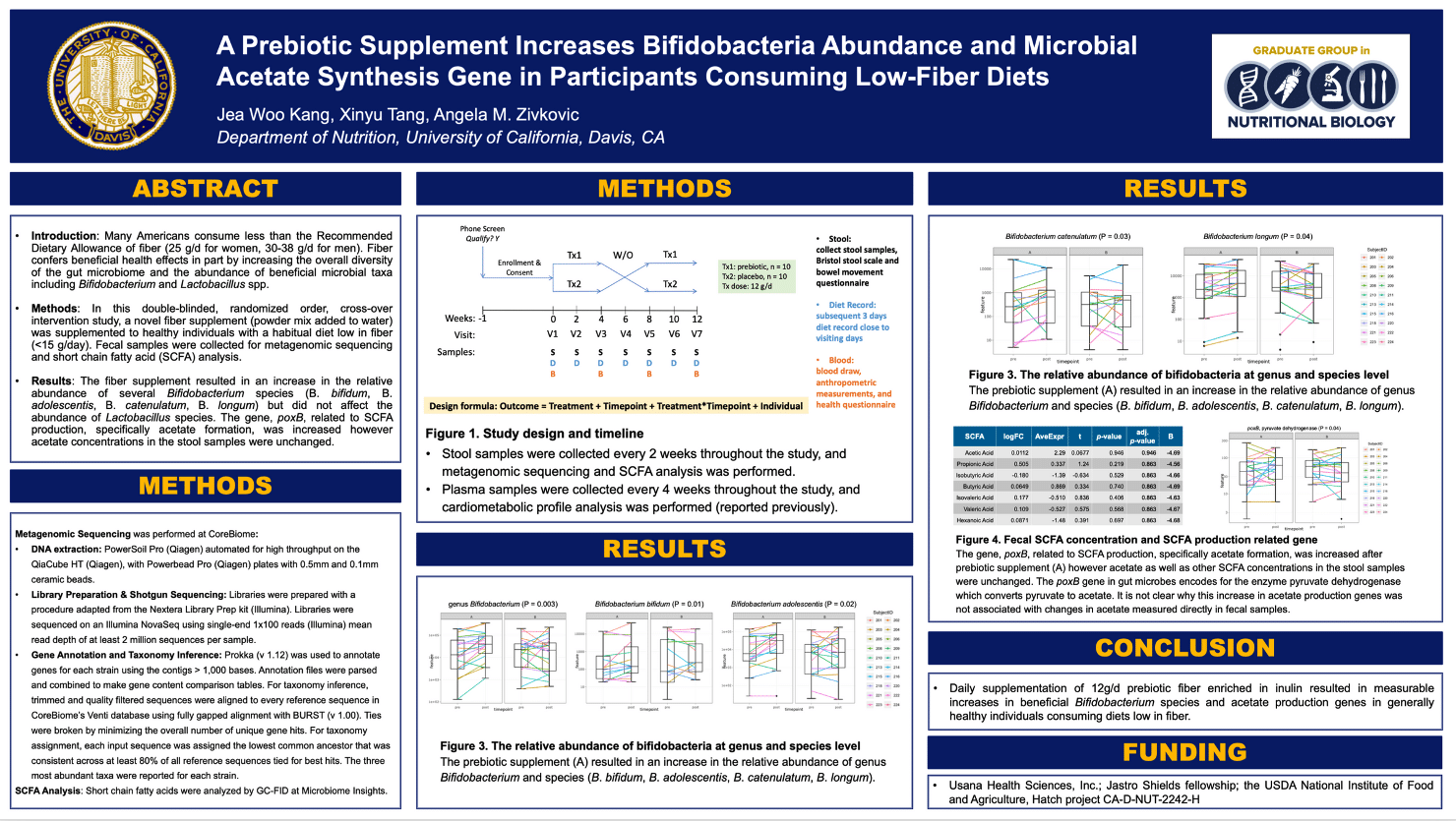
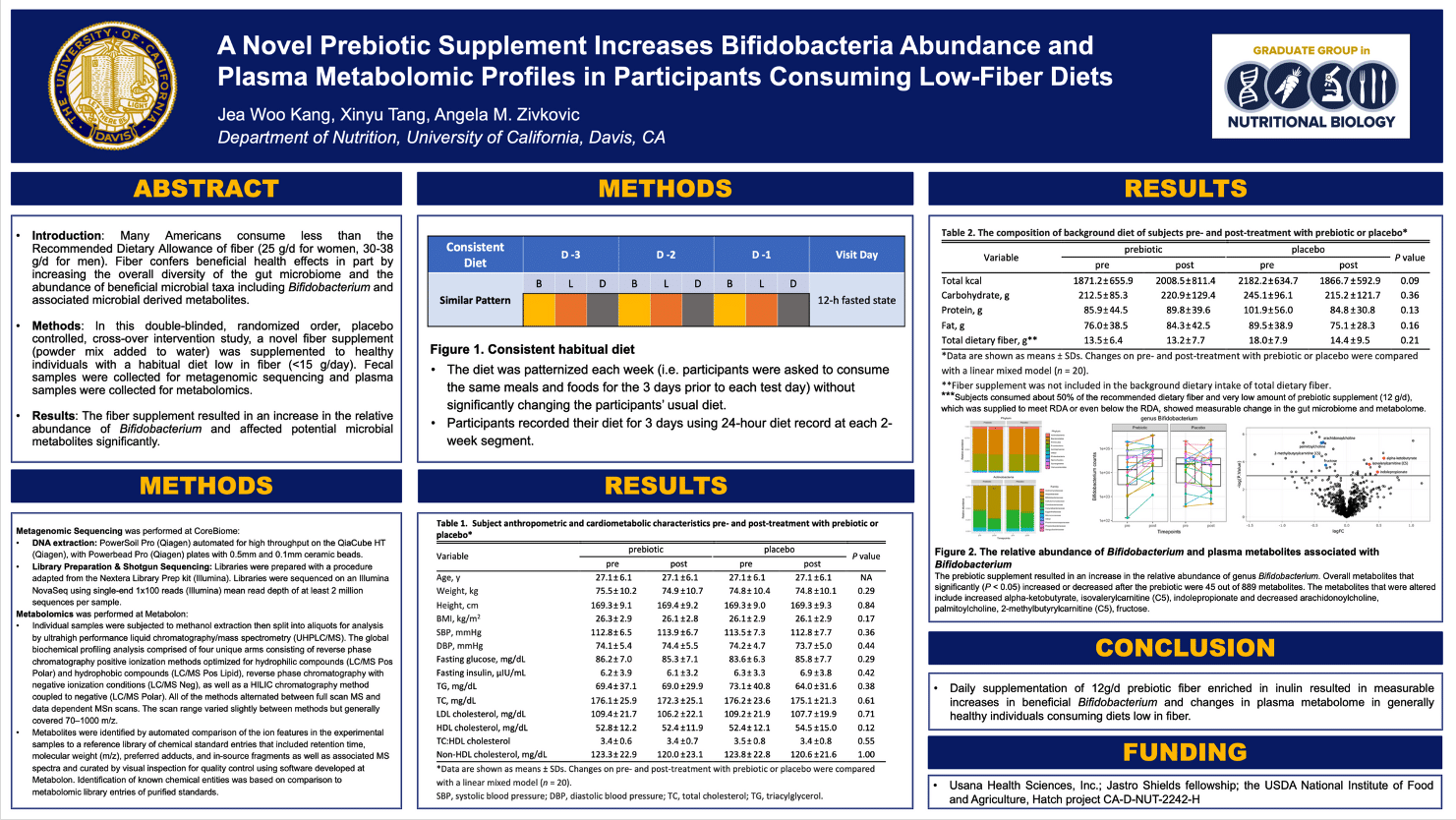
Kang JW, Tang X, Walton CJ, et al. Multi-Omic Analyses Reveal Bifidogenic Effect and Metabolomic Shifts in Healthy Human Cohort Supplemented With a Prebiotic Dietary Fiber BlendFront Nutr. 2022;9:908534.

Kesinger NG, Langsdorf BL, Yokochi AF, Miranda CL, Stevens JF. Formation of a vitamin C conjugate of acrolein and its paraoxonase-mediated conversion into 5,6,7,8-tetrahydroxy-4-oxooctanal. Chem Res Toxicol. 2010;23(4):836-44.

Lee MB, Kiflezghi MG, Tsuchiya M, et al. Pterocarpus marsupium extract extends replicative lifespan in budding yeast. Geroscience. 2021;43(5):2595-2609.

Levy MA, Tian J, Gandelman M, et al. A Multivitamin Mixture Protects against Oxidative Stress-Mediated Telomere Shortening. J Diet Suppl. 2024;21(1):53-70.

Leonard SW, Barker T, Mustacich DJ, Traber MG. Measurement of vitamin K homologues in biological fluids and tissues by APCI LC/MS. FASEB. 2010;24(Supp 1).

Lotito SB, Zhang WJ, Yang CS, Crozier A, Frei B. Metabolic conversion of dietary flavonoids alters their anti-inflammatory and antioxidant properties. Free Radic Biol Med. 2011;51(2):454-63.

Michels AJ, Dickinson BC, Chang CJ, Frei B. Generation of H2O2 by ascorbate auto-oxidation: possible implications for cancer therapy. 2010. Society for Free Radical Biology and Medicine Annual Meeting, Orlando, FL.

Peluso MR, Miranda CL, Hobbs DJ, Proteau RR, Stevens JF. Xanthohumol and related prenylated flavonoids inhibit inflammatory cytokine production in LPS-activated THP-1 monocytes: structure-activity relationships and in silico binding to myeloid differentiation protein-2 (MD-2). Planta Med. 2010;76(14):1536-43.

Shao Q, Zhao Y, Shi Y, et al. Chemical characterization of Siraitia grosvenorii granules and their efficacy and mechanism of action on PM2.5-induced acute lung injury. Ecotoxicology and Environmental Safety. 2025;290:117702.

Song Y, Chung CS, Bruno RS, et al. Dietary zinc restriction and repletion affects DNA integrity in healthy men. Am J Clin Nutr. 2009;90(2):321-8.

Song Y, Chung CS, Bruno RS, Traber MG, Brown KH, King JC, Ho E. Zinc status affects DNA damage and oxidative stress in healthy adult men. FASEB. 2009;23(Supp 1).

Song Y, Ho E. Effects of zinc deficiency on DNA damage, oxidative stress and oxidant defense in peripheral blood. FASEB. 2008;22(Supp 1).

Stockton M, Pence J, Davis A, Bloomer R. Impact of an Active Nutrition Program on Weight Loss and Metabolic Health in Overweight and Obese Adults: A Randomized Controlled Trial. Cureus. 2024;16(10).

Traber MG, Barker T. Vitamins E and C in ACL (Anterior Cruciate Ligament) Injury. 2009. 3rd International Symposium; Nutrition, Oxygen Biology and Medicine. Paris, France.

Wolinsky LE, Cuomo J, Quesada K, Bato T, Camargo PM. A comparative pilot study of the effects of a dentifrice containing green tea bioflavonoids, sanguinarine or triclosan on oral bacterial biofilm formation. J Clin Dent. 2000;11(2):53-9.

Wu JR, Cheng HJ, Shi JP, et al. β -Glucan Improves Protective Qi Status in Adults with Protective Qi Deficiency-A Randomized, Placebo-Controlled, and Double-Blinded Trial. Chin J Integr Med. 2021;10.

Wyatt HR, Ogden LG, Cassic KS, Hoagland EA, McKinnon T, Eich N, Chernyshev V, Wood T, Cuomo J, Hill JO. Successful internet-based lifestyle change program on body weight and markers of metabolic health. Obesity and Weight Management. 2009;5(4):167-73.

Yilmazer-musa M, Griffith AM, Michels AJ, Schneider E, Frei B. Grape seed and tea extracts and catechin 3-gallates are potent inhibitors of α-amylase and α-glucosidase activity. J Agric Food Chem. 2012;60(36):8924-9.

Yilmazer-Musa M, Tucker AM, Frei B. Inhibition of a-amylase and a-glucosidase activity by bioflavonoids: implications for carbohydrate metabolism and type-2 diabetes. Free Radical Biology and Medicine. 2010;49(S37).

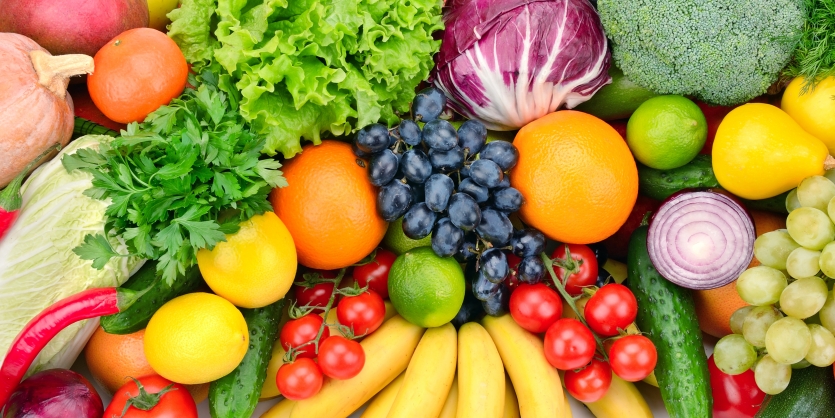
fresh fruits and vegetables background

antioxidants

Your body is made up of so many different types of molecules. They all play their roles. But antioxidants stand out. Antioxidants are molecules that neutralize free radicals. Left alone, free radicals can cause damage to cell membranes, DNA, and more. This damage can lead to mutations, impaired function, and even cell death. To minimize potential damage from free radicals, your body utilizes a defense system of antioxidants.

Where Do Free Radicals Come From?

It is impossible to completely avoid damage from free radicals. They arise from sources inside (endogenous) and outside (exogenous) your body. Oxidants that develop from processes within your body form as a result of normal breathing, metabolism, and inflammation.

Exogenous free radicals form from environmental factors like pollution, sunlight, strenuous exercise, smoking, and alcohol. Unfortunately, no antioxidant system is perfect. So, cells and DNA damaged by oxidation accumulate as you age. A healthy diet and lifestyle can help minimize this damage.

How Antioxidants Protect You

Antioxidants are unique molecules. Their chemical structure allows them to do their main job—neutralizing free radicals. Antioxidants are molecules that can give or take an electron. That’s important because free radicals have unpaired electrons that make them very reactive.

Electrons want to be in pairs. If they aren’t, these molecules with unpaired electrons try their hardest to solve that problem. That’s what can lead to reactions that cause the oxidative damage talked about above.

Antioxidants don’t mind helping out free radicals by donating or taking on an electron. With all the electrons paired up, these free radicals are neutralized and can be safely eliminated from the body.

Sources of Antioxidants

Some antioxidants can be created by your body, and others must come from your diet. Glutathione, superoxide dismutase (SOD), and catalase are all created by your body to help defend itself. Key nutrients have been shown to increase the production of these important antioxidants.

Micronutrient (vitamin/mineral) antioxidants include vitamin E, beta-carotene, vitamin C, and selenium. The body cannot manufacture these micronutrients, so they must be acquired by diet. In addition, there are many plant-derived nutrients (phytonutrients) that can act as powerful antioxidants in the human body. The following list is an example of the wide variety of phytonutrient antioxidants present in a healthy diet:

Phytochemical Food source
Allyl Sulfides Onions, garlic, leeks, chives
Carotenoids (e.g. lycopene, lutein, zeaxanthin) Tomatoes, carrots, watermelon, kale, spinach
Curcumin Turmeric
Flavonoids (e.g. anthocyanadins, resveratrol, quercitin, catechins) Grapes, blueberries, strawberries, cherries, apples, grapefruit, cranberries, raspberries, blackberries
Glutathione Green leafy vegetables
Indoles Broccoli, cauliflower, cabbage, Brussels sprouts, bok choy
Isoflavones Legumes (peas, soybeans)
Isothiocyanates (e.g. sulforaphane) Broccoli, cauliflower, cabbage, Brussels sprouts, bok choy
Lignans Seeds (flax seeds, sunflower seeds)
Monoterpenes Citrus fruit peels, cherries, nuts
Phytic Acid Whole grains, legumes
Phenols, polyphenols, phenolic compounds (e.g. ellagic acid, ferrulic acid, tannins) Grapes, blueberries, strawberries, cherries, grapefruit, cranberries, raspberries, blackberries, tea
Saponins Beans, legumes

The recommendation from the National Cancer Institute, the United States Department of Agriculture (USDA), and nutrition experts is to eat a minimum of 5-13 servings of fruits and vegetables per day depending on your individual caloric needs. Based on these recommendations, a typical varied diet would provide approximately 200-600 mg of vitamin C and 10-20 mg (16,000-32,000 IU) of carotenoids. Additionally, polyphenols—the most abundant antioxidant in the diet—could have a daily dietary intake as high as 1 gram per day in a mixed, varied diet of fruits, vegetables, grains, and beverages.

Possible intakes of other phytonutrient antioxidants could include:

  • Anthocyandins: 1,500 mg in two ounces of black grapes
  • Proanthocyanidins: 100-300 mg per day from red wine
  • Catechins: 50 mg per day from tea (one cup brewed green tea – 240-320 mg catechins), chocolate, apples, pears, grapes, red wine
  • Isoflavones: 50 mg per day from soy foods
  • Chlorogenic acid: as high as 800 mg per day in coffee drinkers.

Are You Eating Enough Antioxidants?

It may seem reasonable that a consistently healthy and varied diet could provide high doses of antioxidants. But the average American gets a total of just three servings of fruits and vegetables each day. As previously mentioned, dietary guidelines call for five to thirteen servings.

Due to this low intake, 93 percent of Americans fail to get even the Estimated Average Requirement (EAR) for vitamin E. More than half of adults fail to get even the EAR for vitamin A. Intake of numerous other antioxidants are sure to be well under optimal and beneficial levels.

Eating enough fruits and vegetables is the best way to make sure that you are getting enough antioxidants in your diet. Evaluate your diet, and make sure that you get at least five servings per day. Additionally, a good multivitamin can increase your intake of antioxidant vitamins and minerals, and may include some antioxidant plant compounds.

What We Eat In America, NHANES 2001-2002. United States Department of Agriculture. 2005


*These statements have not been evaluated by the Food & Drug Administration. This product is not intended to diagnose, treat, cure, or prevent any disease.

USANA’s Nutritionals, Foods, and Sense Products should all be stored in a cool, dry location. Although not required, refrigeration can help extend the shelf life of USANA products.

Because some nutrients are susceptible to heat, do not expose USANA products to excessive heat for a prolonged amount of time. (Heat exposure during shipping is not generally significant enough to affect product quality.)

Even though nutritional supplements contain expiration dates, unlike perishable foods such as milk or meat, they don’t really spoil or go “bad” in the same way. When discussing the shelf life of a supplement, it is really the potency that is the primary concern, not ingredient spoiling or becoming toxic. It isn’t dangerous to take expired vitamins, but they may have lost some potency.

The expiration date represents the last day the item will be at its highest level of potency and quality. In other words, up until that date the product is guaranteed to contain its labeled ingredient potencies and the tablet itself is guaranteed to disintegrate properly. Beyond the expiration date, nutrient potency may gradually decline. As such, we recommend consuming products before the printed expiration date.

Storing USANA Products

Some vitamins are very sensitive to the elements, while others (ie. minerals) will remain potent almost indefinitely. We recommend storing supplements below 25 degrees Celsius (room temperature), and away from light and heat. Refrigeration may also help increase the shelf life of supplements. Storing your supplements properly ensures that your supplements will remain fully potent and of guaranteed quality for entire labeled shelf life.

Where Can I Find USANA Lot Numbers and Expiration Dates?

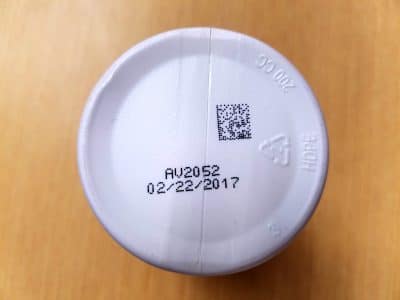
Lot numbers and expiration dates are printed on the bottom of the USANA supplement bottles. The expiration date on the USANA products listed with six digits is in the form DDMMYY (Day, Month, Year).

Nutritional Supplements

Most USANA supplements have a two-year shelf life. The following are exceptions:

  • HealthPak: 18 months
  • MyHealthPak: 4 months

USANA Foods

Most USANA Foods have a two-year shelf life. The following are exceptions

  • Collagen Protein Bars: 8 months
  • Peanut Butter Snack Bar: 15 months
  • Rev3 can: 18 months

Celavive™

All Celavive™ products have a shelf life of three years.

We are sometimes asked why more of USANA’s raw ingredients aren’t “certified” organic. In our view, the primary benefit of using individual ingredients or raw materials that are “certified” organic is a marketing one. Certified organic ingredients can be very difficult to obtain (if available at all) and are typically much more expensive.

Also, just because an ingredient or raw material is certified organic does not guarantee it is of high quality. In our experience, the consistency and quality of many organic materials has been questionable and not up to our rigorous quality control standards. Generally, though, the main reason for not using organic ingredients more in our product line is that at present there is not often a clear advantage to the consumer. Many people who use organically farmed products do so because they believe they are either more safe or more nutritious, which may not be universally true for all organic products and ingredients. Additionally, when it comes to nutritional supplements like USANA’s, “more nutritious” is not a relevant reason because each raw ingredient is measured and standardized for content. (To use a hypothetical example, imagine that an organically grown orange contains 85 mg of vitamin C, while a traditionally grown one only has 50 mg. In a dietary supplement, 85 mg extracted from organic sources provides no more vitamin C than 85 mg extracted from traditional sources – it is 85 mg of vitamin C, regardless.)

Another issue some bring up is safety. Again, since the majority of dietary supplement ingredients are extracted, processed, and purified, this is not a relevant issue for USANA’s nutritionals. Extracts and ingredients where there may be some legitimate concern about contamination (fish oil, for example) are thoroughly tested in the same way and to the same degree it would be necessary to test organic alternatives. USANA conducts many tests (including HPLC, ICP, FTIR and GC) on both raw materials and finished products to ensure purity and safety. Proper testing and screening procedures are also followed to assure that raw materials are free of unintentional compounds (including pesticides, heavy metals, organic contaminants, manufacturing contaminants, and more).

There may be advantages to eating organic produce and food – especially if it results in a higher intake of fruits and vegetables – but organically sourced ingredients are not generally relevant for many of the products produced by USANA.

The raw ingredients that go into USANA products come from a variety of sources. Some are derived from plants (our vitamin E, for example, is derived from soy) while others are produced synthetically. Some are derived from natural sources but have been further modified by synthetic steps. Others are derived from fermentation processes.

Natural versus synthetic is just one of the criteria that USANA uses to select the raw ingredients that go into its products. Other factors taken into account are potency, purity, safety, stability, and reliability of supply.

All factors being equal, we will select naturally derived materials over synthetically derived ones. But often times, all factors are not equal. We use vitamin and mineral compounds in the chemical form – be it “natural” or “synthetic” – proven to be effectively absorbed and utilized by the body, and that are safe, pure, and free of any contaminants.

There is a common misconception that “natural” vitamins and minerals are extracted from plants in their pure form, making them superior to “synthetic” vitamins and minerals which are made in a laboratory. This is often a misleading distinction.

First, it is not possible to extract pure vitamins from plants without considerable and significant processing that may include harsh chemical extraction solvents. Next, the biological activity of a compound has nothing to do with its source and is more determined by its chemical structure. In other words, it typically makes little difference whether the chemical originates from a leafy plant or is synthesized – it is the same compound, regardless.

Some vitamin and antioxidant compounds can be efficiently synthesized in laboratories to produce products that are identical in chemical form to those found in nature and are extremely pure and equally safe (and often much less expensive than their “natural” counterparts). In addition, some synthetic vitamins are preferentially absorbed over compounds provided by food sources.

One good example is folic acid, which is more easily absorbed than folate from food sources. Folates in food are typically large protein-bound molecules and must be hydrolyzed or deconjugated before absorption and transport into the cell.

The FDA (Food and Drug Administration) does not conduct pre-market authorization of dietary supplements. And no dietary supplements in the United States are “FDA approved.”

The Food and Drug Administration regulates dietary supplements under the Dietary Supplement Health and Education Act (DSHEA). Under DSHEA, dietary supplements are in a special category listed under the general umbrella of “foods.”

The FDA requires that dietary supplement manufacturers follow Good Manufacturing Practices (GMPs) for dietary supplements (21 CFR, part 111). USANA meets and exceeds these standards.

Otherwise, the FDA is primarily responsible for taking action against any unsafe dietary supplement product after it has entered the market. The FDA’s Center for Food Safety and Applied Nutrition (CFSAN) is responsible for the oversight of dietary supplements after they reach the market. Their mandate is to monitor the marketplace for products that may be considered unsafe or make false or misleading claims.

The USANA products that currently use Nutritional Hybrid Technology include:

  • Proflavanol C100
  • Proflavanol C200
  • Hepasil DTX