Tag Archive for: immune function

Feeling sick isn’t fun. That’s why it’s so important to protect your immune health. There are behaviors to do every day to support your immune system—you can find examples in this helpful story. But there are also immunity don’ts you should avoid.

Knowing what NOT to do is important. It can help you set boundaries and shape habits. So, check out these 12 immunity don’ts to see what you can do to help support your immunity.

Don’t: Skimp on Water

When you start feeling thirsty, your body is already dehydrated. Hydration is essential to a heathy body and powerful immune system. Without enough water, your body is less efficient and you feel sluggish and fatigued.

It’s hard to run an effective defense against germs with water in short supply. Water is necessary for the movement of mucus and phlegm, two barriers to viruses and bacteria. That’s because mucus and phlegm are sticky traps for microbes. This keeps germs from spreading to healthy cells.

Keep your body hydrated and happy by drinking at least eight glasses of water a day. Lots of water keeps mucus flowing. Your immune system needs that mucus to grab ahold of germs and help fight infection. Don’t forget to give your body enough water to do a good job.

Don’t: Blow Past Bedtime

As the proverb states, “Early to bed, early to rise, makes a man healthy, wealthy, and wise.” While an early bedtime might not guarantee financial success, it can keep you healthy.

Your immune system performs best when you give it enough sleep. A full eight-hour stretch allows your body time to regenerate and repair. Your immune system has important tasks to perform while you sleep, too.

So, don’t miss bedtime to help ensure you get adequate sleep. Also make the hour before bed as restful and peaceful as possible. Dim lights, turn off the television, and put down your phone. Relax and meditate to help yourself fall asleep faster.

Quality sleep is non-negotiable. If you need extra motivation to avoid staying up late, think of all the support a good night’s sleep gives your immune system.

Don’t: Touch Your Face


Your eyes, nose, and mouth are germs’ favorite ways to enter your body. If you want to give your immune system a hand, don’t touch your face.

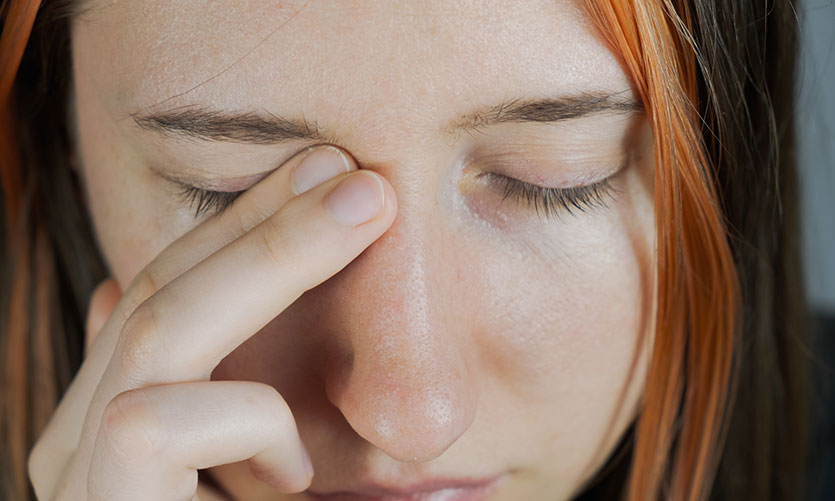
While it might seem harmless, touching your face transports microbes from your hands to your body. Not all face-touching is sticking your fingers in your mouth. Rubbing your eyes, scratching your nose, biting your fingernails, all of these pesky habits introduce germs to your body.

It won’t be easy, but if you struggle with touching your face, you can break the habit. Try to hold yourself accountable for the sake of your immunity. Paint your fingernails to avoid biting them, and keep your hands occupied to resist rubbing your eyes. Reward yourself when you succeed. Find a family member or friend to remind you when you slip up. And if you have to touch your face, wash your hands first.

Don’t: Smoke
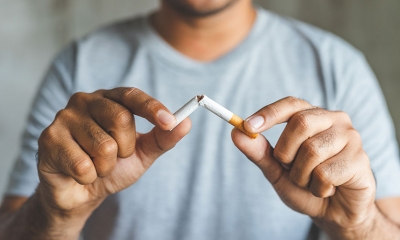
There’s no sugar-coating it—smoking is a dangerous habit that affects your whole body, immune system included.

Smoke from cigarettes destroys the lining of protective epithelial cells lining the inside of your mouth, nose, and throat. You need this layer of cells to safeguard your airway from germs. Smoking also injures lung tissue, which is particularly vulnerable to infection from viruses and bacteria.

Quit smoking as soon as possible to protect your lungs and overall immunity.

Don’t: Drink too Much Alcohol

Binge drinking harms your immune system in similar ways to smoking. Chronic binge drinking damages the cells lining your mouth and throat. It also limits the function of white blood cells—your immune system’s attack force against pathogens.

The proof? Heavy drinking is correlated with being sick more often. So, too much alcohol seems to weaken your immune system and increase your susceptibility to illness.

Cut down on excess drinking to support your immunity. Your body can tolerate moderate, responsible drinking—one drink per day for women, and two per day for men. Just be careful of overdoing it.

Don’t: Forget to Wash Your Hands

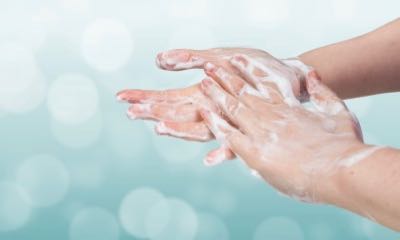
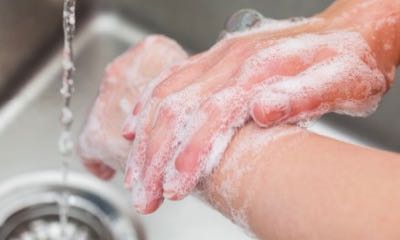
Handwashing is the single most effective way to protect yourself from potential pathogens. And it’s an easy habit to adopt. Remember to wash your hands before eating, after using the restroom, and after you visit public places.

But it’s not as simple as rinsing off your hands. Proper handwashing technique takes practice. Visit this handwashing guide to learn how to do it right. And start washing your hands frequently to take some pressure off your immune system and stop the spread of germs to others.

Don’t: Misuse Sanitizers and Disinfectants

Sanitizing, disinfecting, and overall cleanliness will help limit your exposure to germs. Don’t go overboard, though. The products you use to kill germs can also be bad for you if you don’t use them properly.

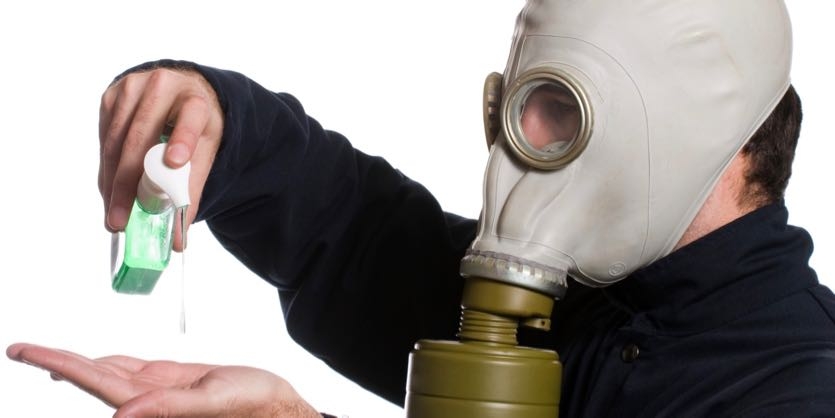
Never use cleaners, disinfectants, or sanitizers made for surfaces, glass, fabric, or your bathroom on your skin or inside your body. These products range from irritating to toxic. Wear proper protective equipment (like gloves or goggles) while disinfecting areas of your house.

It may seem obvious, but absolutely don’t drink any of these cleaners, use disinfectant sprays on yourself, expose yourself to ultra-harmful UVC sanitizing lights. Ingesting or injecting these into your body could result in a call to poison control or an emergency-room visit.

Hand sanitizer is the exception. They’re designed for use on your skin—and only on your skin. Alcohol-based hand sanitizers (both sprays and rubs) work great for hand hygiene in a pinch. But you should only use them as directed by manufacturer’s instruction. Also make sure to supervise children using hand sanitizers, so they use them properly and effectively.

Don’t: Skip Your Workout

When you choose the couch over exercise, your fitness isn’t the only thing that suffers. Moderate workouts can help maintain a healthy immune system.

Regular exercise is linked to better immune function and fewer bouts with sickness each year. That’s because physical activity improves circulation of blood and the lymphatic fluid that make up your immune system. Aerobic exercise also helps strengthen your lungs, making them more efficient at getting oxygen to your body.

Maintaining consistent workouts helps you build up healthy muscles and joints, while enjoying the added bonus of protecting yourself from sickness.

Don’t: Limit Your Fruits and Veggies

Diet plays a big part in supporting your body’s immune response. Fill your plate with foods that help maintain a healthy immune system. And fruits and vegetable are a great place to start.

Try to eat a fruit or vegetable in every meal. That’s because antioxidants and vitamins are densely packed in tasty fruits like oranges, apples, bananas, and berries. Your body needs antioxidants to help destroy the structures of viruses and bacteria before they can harm healthy cells.

Veggies supply your blood with minerals—like iron and magnesium—and your body with beta-carotene and B vitamins. Each are important nutrients that support immune function. They keep cells healthy so your immune system can focus on hunting down invaders.

Don’t: Miss a Daily Dose of Vitamins

Supplements are a great for supporting your body with vitamins and minerals that help support your immune health. So, make sure you keep taking your multivitamins.

Look for supplements with a good amount of vitamins C, B6, and E. These antioxidants support your immunity and help maintain the health of your tissues and cells from damaging microorganisms. Vitamin C also supports your body’s normal production of white blood cells. They’re the immune cells that find and destroy potential pathogens.

A supplement is a reliable source of quality nutrition your immune system can depend on. Use nutritional supplements in conjunction with a healthy diet to properly support your immunity.

Don’t: Go to Work When You’re Sick

If you have the option to stay home from work when you’re under the weather, take it. This practice doesn’t put others at risk and gives you time to recover.

Think about all the shared spaces and objects you touch in the office. A sneeze or cough leaves droplets with germs behind. Those germs can linger for hours or days on just about any surface. This makes it easy for whatever bug made you sick to spread to a coworker.

Consider the people you work with when you want to tough out a cold and go into work. They will be thankful you stayed home and rested instead of testing their immune systems. You might even find that you recover faster when you take time off to recuperate at home.

Don’t: Let Stress Overwhelm You

It’s best for you and your immunity to slow down and minimize stress. That’s easier said than done. Stress can creep in from work, school, and family responsibilities. And it takes a serious toll on your immune system if not properly managed.

Stress suppresses just about every bodily function, immunity included. When life’s daily tasks pile up, your immune system has to slow down to accommodate. Cortisol (a stress hormone) floods your bloodstream and impacts your immune responses. White-blood-cell production drops off, making you an easier target for a cold or flu virus.

Managing stress is an artform that takes years of practice. But you can start to minimize stress by taking an inventory of your daily responsibilities. Try to remove unnecessary activities that take up time and energy. Learn to say no to assignments you can’t manage. Ask for help when you’re overwhelmed.

Learning to cope with stress will protect your immunity and overall health. Sleep, exercise, meditation, and counseling are other great ways to handle stress. Put your wellbeing ahead of the tasks you have to do so you can reduce stress for a happier, healthier life.

Now Review What to Do for Immune Health

Armed with a list of what NOT to do, now you can focus on building habits that can help support your immune system.

Set a goal to be vigilant about drinking water and washing your hands. Be courteous and stay  home from work when you feel ill. Show your body respect by fueling it with whole fruits and veggies, while saying no to smoking and drinking in excess.

Learn the habits that help support immunity and learn what to avoid. Your lifestyle decisions have the capacity to make a difference in your immune health.

Your immune system is ecstatic to unite with your bed at the end of the day. That’s because tucking in for a restful night of quality sleep is one of the best immune supporting habits you can adopt. Sleep is essential for total body health, of course. But what your immune system does while you sleep connects the maintenance of proper protection to your nightly slumber.

Sleep brings the period of regrouping, repairing, and rejuvenation you need to maintain your healthy, and occasionally hectic, life. So, it’s not surprising study after study link sleep to maintaining healthy immune function.

You have probably felt it in your life. Running yourself down and burning the proverbial candle at both ends can leave you feeling less than your best. You’re off, weakened, grumpy, susceptible to poor health decisions, and generally gross.

You’ve also lived the end result of a solid night of slumber. You’re energetic, sharp, strong, mentally agile, and generally ready for what the world has in store. So, you understand the benefits of sleep. What you might not know is why or how sleep is vital to supporting immune health.

An eye-opening exploration of your body at rest is the way to reveal that information. It’s time to pull back the covers on what your immune system does while you sleep—including moving components around, making “immunity memories,” and triggering processes that support immune cell proliferation and effectiveness.

While You’re Sleeping … Your Immune Cells Move Around

Sleep is a complex, active process cloaked in serenity. You look calm and peaceful in your dreamy state. But your immune system (along with your brain and other bodily processes) are cranking away at keeping you healthy.

For one, some of your most important immune cells are on the move.

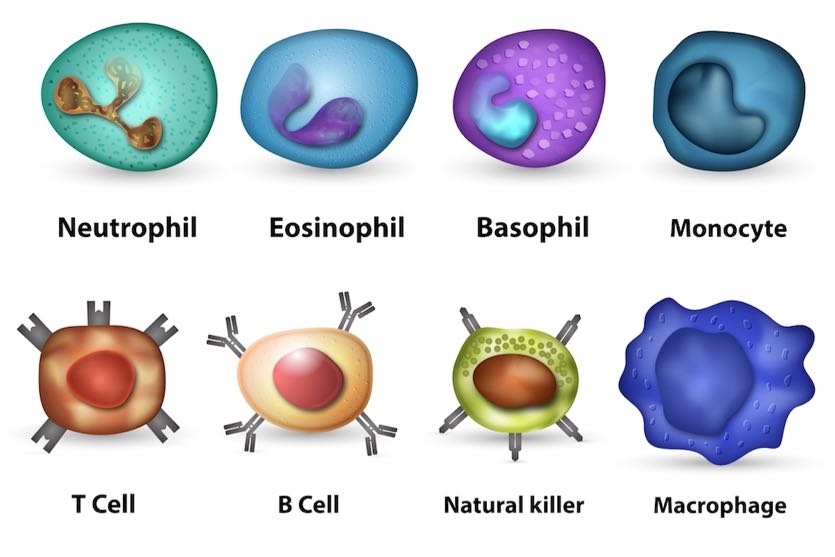
T cells (important white blood cells made in your thymus) circulate in your bloodstream while you’re awake. They’re like your security force ready to pounce on intruders. During sleep, T cells leave the blood, dropping their levels.

Where do they go? Researchers have had a hard time tracking them in subjects. But evidence suggests that some subsets of T cells tuck into lymph nodes for the night, only to return to the blood when wakefulness is upon you.

Why does this happen? It’s complex, but there is some agreement T cells’ overnight stopovers in the lymph nodes helps adaptive immune memory. You’ll read more about this process below.

The immune cell movements during sleep also help maintain equilibrium. Your body is always seeking homeostasis, and sleep gives the immune system the time to accomplish that.

While You’re Sleeping … Your Immune System is Creating Memories

Sleep helps your brain form memories. It does the same for your immune memories.

Hormones start the chain reaction of events that cements an immune memory. Those secreted by your endocrine system during deep, non-rapid-eye-movement sleep prompt creation of durable immune memories.

Part of this process is the nighttime lymphatic rendezvous of T cells and antigen-presenting cells. Movement into lymph nodes and lymphatic tissue allows antigen-presenting cells to pass information to T cells. This is key to immune memory creation and the responsiveness of your adaptive immune system.

How do scientists know this works? Researchers have studied how sleep impacts specific immune-memory-cell counts after vaccinations (one of the only ways to test this process without harming subjects by exposing them to active pathogens).

Results show adequate sleep after vaccination supported production of antibodies and antigen-specific T cells. Sleep-deprived individuals didn’t exhibit the same robust response to the vaccine. This shows the power of sleep to support your adaptive immunity and help provide optimal protection for your body.

While You’re Sleeping … Immune Cell Effectiveness is Being Preserved

Sleepwalking through the day after a late night is proof you’re your best self when you’re well rested. A good night of sleep makes you a more efficient and effective individual, who can tackle what life throws your way.

Your immune system is at its best after a night of quality sleep, too. Let’s go back to the T cells to see what your immune system does while you sleep to help these cells do their job keeping you safe and healthy.

To neutralize invaders, your T cells need to stick to them first. The tacky ability that helps T cells kill pathogen-infected cells comes from proteins called integrins. One study looked at how sleep impacts these proteins and your T cells’ ability to do their job.

Researchers linked sleep (and the corresponding drop in stress hormones) with the normal activation of these sticky proteins and maintained T-cell function. The sleep-deprived group showed reduced integrin activity. Those who slept had properly sticky T cells capable of effectively fulfilling immunity duties.

Sleep and its accompanying cocktail of hormones help maintain the effectiveness of important immune-cell processes. Studies have produced positive signals about the interaction between sleep and key immune-cell processes, including:

  • Proliferation of white blood cells and protective immune proteins (cytokines)
  • Activation of immune cells
  • Differentiation of new white blood cells
  • Optimization of natural killer cell function (quick-acting white blood cells of the innate immune system)

When your immune cells are cared for—as they are when you get quality sleep—your supply of bodyguards are stocked, locked, and ready to protect you properly.

Tuck into Immune Supporting Sleep

Reading about the immune benefits of sleep could have you extra excited about your nightly slumber. That’s understandable. You’ve gotten a look at what your immune system does while you sleep. And how important that is for your health.

Plan for at least seven hours of good sleep every night. You may have to adjust your routine—especially around technology. But it will be worth it for your immune system, and for everything else sleep does for your body.

COVID-19 (the disease caused by the novel 2019 coronavirus) has changed the world. The health and safety of our readers and everyone around the world is at the forefront of our minds. And we know right now—maybe more than ever—health and wellness occupies a place of prominence in yours.

At Ask The Scientists, we will continue to provide you with the accurate, science-based information about nutrition and living a healthy lifestyle you need right now. We believe information and understanding is power—to maintain your health, to keep your family healthy, to battle fear with truth.

That’s why below you’ll find collected stories about topics of utmost importance—immunity, mental health, self-care, and healthy habits at home. We aren’t experts on the novel coronavirus, so there are no specifics about symptoms or the virus’ spread. But you’ll also find a guide to sourcing trustworthy, scientific information about COVID-19 and the ever-evolving global pandemic.

And if you need an answer to a question about health, wellness, nutrition, or healthy living, we’re here, in this with you. We’ll be doing what we always do—arming you with quality, science-based information to help you continue living your life in these uncertain times.

If you don’t find an answer or the information you’re looking for, all you have to do is ask. Reach out through the site or on our Facebook page.

Understand More About Your Immune Health

Practicing Self-Care and Attending to Your Mental Health

Thriving at Home

Your Guide to Quality Sources of Coronavirus-Specific Information

What you didn’t find in the links above was specific information about COVID-19. We aren’t experts in epidemiology, virology, or infectious disease. But we can point you to quality sources about symptoms, how the virus spreads, case numbers, vaccines, and more. And remember that the information you put in your brain is as important right now as the food you put in your body.

Here are tips for finding trustworthy sources of coronavirus information and links to those sites:

  • The World Health Organization is the first place to look for global COVID-19 information.
  • National government health departments (like the Centers for Disease Control and National Institutes of Health in the U.S.) will have more specific information about what’s happening in your country.
  • Local government health department sites have resources that will be most applicable to the situation unfolding around you.
  • For the latest research, turn to reputable scientific journals, like Nature Reviews Immunology, New England Journal of Medicine, The Lancet, and the Journal of the American Medical Association.
  • Seek out more general coronavirus information from recognized experts. This includes places like the Mayo Clinic, Johns Hopkins, Cleveland Clinic, and academic sites from credible universities around the world.
  • Quality information about how COVID-19 vaccines are approved can also be found from the CDC and FDA in the US, TGA in Australia, Health Canada, and the World Health Organization.
  • Also turn to the Examine.com and Worldometers coronavirus pages for solid statistics and information.
  • Entertain and inform yourself by turning to blogs from brands and authors you can trust. Maybe check out What’s Up USANA? for more lifestyle tips about working from home and much more.

What you don’t want to do is constantly scroll through your social media feeds, plucking out the most sensational tidbits being posted. Evaluate the sources of any information popping up on your Facebook or Twitter feeds. Or slim down your information diet to only include trusted sources like the ones listed above. Managing your mental health might even mean taking a break from the deluge of news about the global pandemic.

When you’re ready for more information, we’ll help you find the best source. And if you’re curious about your immune system, eating to help support your immune health, or healthy habits at home, we’ll be here for you. Come back to Ask the Scientists for more immunity, overall wellness, nutrition, and healthy living content you can trust and act on to help you maintain your health.

You can’t hide from all the germs. Theoretically, you could spend a lot of time and money sanitizing your whole life. But where’s the fun in that? Also, it’s unnecessary. Your body can protect itself—that’s what the immune system does. So, build your immunity instead of obsessing over avoiding germs. Luckily, simple immune boosting habits easily mesh with your healthy lifestyle.

And you don’t need anything special to support your immune health. Healthy living and tweaks to your lifestyle are enough to help build your immunity.

A lot of these immune boosting habits double as generally helpful healthy behaviors. That means you can earn a lot of health benefits out of these simple changes to your life. So, you’ll obtain a lot more out of these actions than any efforts to sterilize your entire life.

Sleep Your Way to a Healthy Immune System

When you’re tired, so is your immune system. This puts you at risk for coming down with whatever’s going around. Tucking in for enough high-quality sleep is a dream for you, and your immune health.

Sleep allows your body—including the parts of your immune system—to rest, repair, and refresh. This nightly renewal helps build your immunity. Need proof? A study in the Archives of Internal Medicine showed a link between adequate sleep and immune function.

Researchers identified the eight-hour mark as an important line of demarcation. Less than eight hours of sleep was tied to a three-fold increase in the likelihood of catching the common cold. Other research supports this conclusion, showing how immune-cell production can be hampered by sleep deprivation.

One simple immune boosting habit is making the time for at least eight hours of quality sleep. That could mean setting a bedtime alarm, or giving yourself deadlines for nighttime activities. And remember to work your way up to your goal. It’s probably not sustainable to go from six hours to eight immediately. But you can work your way up in smaller, 15-minute increments.

Use Moderate Exercise to Build Your Immunity

Exercise is great for many things, including weight management and stress management. But the relationship between working out and immune function is slightly more complicated.

Researchers have struggled to lay out all the details involved in exercise’s impact on immunity. That’s not surprising. There are complex reactions happening—especially with strenuous exercise.

One thing is clear, though: moderate exercise is beneficial for your immune system. One study says it “seems to exert a protective effect.” Being in better shape helps with overall health, so your immune system benefits, too. And the movement aids blood flow and helps immune cells migrate throughout your body.

You don’t have to overdo it, though. And maybe you don’t really want to, given some of the research about strenuous exercise and immunity (it may, at least temporarily, dampen the immune system). Moderate exercise—like a 30-minute walk every day—is enough. Also, it’s an immune boosting habit you can fit into your life without too much extra effort.

Help Your Immune System with Good Hygiene and Cleanliness

You’re frequently told to wash your hands. And it’s for good reason. This tip doesn’t build your immunity or directly boost your immune system. But it will help you stay healthy, so it’s worth mentioning.

A consistent (not obsessive) hand-washing habit helps you limit your exposure to certain germs. It rinses away the potential pathogens that get on your hands. That keeps them from landing in airways, eyes, or other bodily entrance points. And it keeps you healthy.

Like washing your hands regularly, cleaning your home and workspace help keep germs at bay. You don’t need to—and, as you’ll read more about below, maybe you shouldn’t—live in a completely sterile environment. But that doesn’t mean ignoring your chores.

Wiping down frequently touched items is a good place to start—especially your smart phone. This practice will keep you safe from the microbes that congregate at points of constant contact. Dusting and vacuuming can also keep allergy inducing particles out of your nose and eyes. And don’t forget about all the places around your house where hidden germs lurk.

It’s extra important to clean spaces where you prepare food. Clean counters, cutting boards, and cooking equipment keeps the good food you’re cooking a healthy eating-and-digestive experience.

The Most Relaxing Immune Boosting Habits

Normal, everyday stress—the kind of minor, daily annoyances that add up—is enough to throw your life out of whack. You probably already know how stress impacts your weight, sleep, and overall wellbeing. But it also can wreak havoc on your immune function.

Your hormones are to blame. That’s because stress hormones negatively impact many parts of your immune system. These hormones hamper the production of antibodies (proteins that mark invaders) and other immune cells. Stress has even been shown to give latent viral infections new life.

Unless you go to great lengths, you can’t totally avoid stress. So, you must learn to manage it. And it’s not easy. The phrase “just relax” is one of the least helpful things imaginable. Good thing other stress-management techniques are simple, and do work, though.

Try any of these approaches that sound nice to you:

  • Get a massage
  • Take a walk out in nature—the outside part is important
  • Develop and practice a self-care routine, like hygge
  • Meditate or do some deep breathing
  • Socialize with friends and family
  • Prioritize free time by blocking out your calendar for at least 30 minutes a day
  • Laugh (it really might be the best medicine)

Pets Can Perk Up Your Immune Health

Your pets are more than cuddly, cute, and loving. They’re beneficial to your health in many ways. And building immunity is definitely one of them.

Pets are great for melting stress away and helping you get moderate exercise. You’ve already heard about how exercise and stress management are immune boosting habits. But your pets can do more for your immunity—and it’s because they can be kind of gross.

That’s right. The microbes your pets naturally have or bring into your house aren’t all bad. They help build your immunity through exposure, which—as you’ll learn below—can be more helpful than harmful.

Researchers have found that infants who grow up around animals are less likely to develop allergies. And one study even showed that petting a live dog can increase an important immune-system protein—immunoglobulin A. So, give your pet some extra attention and affection for all the help they give your immunity.

Be Adventurous

Your immune system adapts to your life. It learns from the bacteria, viruses, and other microbes you encounter. And you come out with better immune protection.

That’s why the sterile approach to life doesn’t help build your immunity. It’s OK to take proper precautions. You don’t want to intentionally expose yourself to harmful bacteria or viruses. But being adventurous—going outside, eating fermented foods, and experiencing life—is one of the best immune boosting habits you can have.

Living your life helps your adaptive immunity (the part of your immunity that catalogs the microbes it encounters). It builds up your immunity memory bank and primes your immune system to protect you.

Make the Small Changes to Help Your Immune Health

Your immune system is always on alert. Its whole job is to keep you healthy. So, treat it right by incorporating some of these simple immune boosting habits into your life. You’ll build your immunity, and enhance your overall health, too.

Your immune system is powerful on its own, and even more impressive with the tools that surround it. Understanding the secrets of the immune system will paint a complete picture of what takes place inside your body to keep you healthy. Know this—your immune system anatomy is perfectly poised to neutralize threats to maintain health.

Explore the parts of your anatomy that work hand-in-hand with your immune cells to maintain your health. And learn the secrets of the immune system. Your genes, bone marrow, gut, and skin assist the cells of your immune system in protecting you. From smallest to largest, these helpers offer the support your immune system needs to keep you on your feet.

Genes: Immunity at the Most Basic Level

The secrets of the immune system start where all your traits do—your genetic code. When it comes to adaptive immunity (the part of your immune system that changes over time), genes play a central role. Through a group of genes called the major histocompatibility complex (MHC), the adaptive immune system catalogs information about what enters your body. It remembers what your body’s seen before and instructs white blood cells in a proper, healthy immune response.

MHC is a genetic code that is unique to every individual. Through this code, proteins on the surface of cells are created in response to stimulus by potential pathogens. When a germ is consumed and broken down by macrophages (a type of white blood cell), surface proteins are made. These MHC proteins are then stitched together with fragments of the destroyed pathogen and presented to the cells of the adaptive immune system. Those pieces of the destroyed pathogen help your immune cells remember.

Now adaptive immunity cells like B and T cells know what to do when the same invader shows up again. MHC proteins have flagged that microbe and made it a target of a future, healthy immune response. With instructions to divide and conquer, adaptive immunity cells can multiply and attack next time the germ is detected in the body.

The genes that control the MHC make your immune system efficient and effective. MHC keeps antibody production under control, only creating antibodies after the first exposure to a germ. So, your immune system can divert all its attention to unique and novel potential pathogens, noting each in its genetic memory.

Bone Marrow: Creating Blood and Immunity

The thick gel on the inside of your bones is called marrow. It does a lot of work for your immune system that you may never see. So, it’s hiding some secrets of the immune system.

Bone marrow is an organ that manufactures blood cells (the big science word for that is hematopoietic). Red and white blood cells get their start in bone marrow. Other powerful immune system players do, too.

There are two kinds of bone marrow in your body—red and yellow. Your yellow marrow is a precursor to the red marrow. It’s held in reserve to replenish stores of red marrow should significant blood loss occur.

That’s because red marrow is really important. It produces:

  • Red blood cells
  • Neutrophils (a type of white blood cells)
  • T cells (lymphocyte, or white blood cell, that acts in immune reactions not needing antibodies)
  • B cells (lymphocyte responsible for producing antibodies, which are immune proteins that bond to potential pathogens)

The role of these white blood cells in immune health is a popular topic—and you can find more in this immune system overview. But bone marrow produces other cells that work alongside these cellular giants.

Scientific research points to red marrow as the origin of natural killer cells and dendritic cells. Natural killer cells are also types of lymphocytes (white blood cells) that are close relatives of T and B cells. They can help protect you without priming antibodies. Dendritic cells act as immune-system messengers, tying your innate (the immune system you’re born with) and adaptive immunity together. They occur in the skin and digestive tract, and send messages to T cells.

There’s also a symphony of cellular communication going on in your bone marrow between all these developing and mature immune cells. So, your bone marrow is a buzzing central hub of activity for your immune protection.

Since bone marrow is so important to immunity, protecting it is imperative. Ensure you get enough vitamin D, calcium, magnesium, and other trace mineral in your diet. Take care of your bones, and they will help take care of you, too.

Gut: Germs That Help You

Ironic as it may seem, your gut is full of bacteria. Your intestinal bacteria reside there inconspicuously—without causing much trouble. It may seem hard to understand, but these microbes play a crucial role in your immune system.

Your intestines encounter more antigens (foreign material that starts an immune response) than any other part of your body. While sifting through the plethora of microbes that reside inside, the intestinal mucosa (lining) must respond appropriately. That’s a big job for a barrier that is only one cell thick.

Potentially harmful microbes that try to break through the lining are stopped dead in their tracks. The cells lining your intestines secrete proteins that recruit white blood cells to the affected area. And, as you know, white blood cells pack a punch of protection. These epithelial cells also produce anti-microbial peptides and mucus that trap bacteria.

But not all bacteria pose a threat. Commensal microbes (those commonly called your gut microbiome) digest compounds and extract nutrients that your body can’t process on its own. Some intestinal bacteria also synthesize certain B vitamins and vitamin K. B vitamins, like vitamin B12, are also linked to supporting healthy immune system function. Vitamin K is an important component in maintaining the production of blood-clotting factors.

The community of helpful bacteria that lives in your gut starts developing at birth. A baby’s gut microbiome is colonized by any and all microorganisms they are exposed to during the first days of life. Through dietary and environmental factors, the microbiome in your belly is further shaped. Eating foods that contain bacteria generally thought to be beneficial—like yogurt and other fermented foods—help maintain a balance of healthy bacteria in your gut.

Skin: Protection That Surrounds You

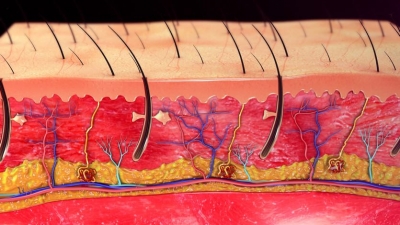
Your skin doesn’t seem like one of the secrets of the immune system. Every day you look at this barrier between your internal organs and the outside world. As the largest organ of the body, skin’s primary role is to protect you from physical danger and invasion.

The first line of defense is a thick layer of dead cells. That’s right. The tough, protective nature of skin is made possible by dead skin cells called keratinocytes. The name comes from the fact that these cells are brimming with a protein called keratin. It’s a protein also in hair and fingernails. Keratin is tough and is a great shield for your vulnerable internal organs.

The top, dead layer isn’t all. Your skin is comprised of multiple layers of functional cells. When your skin generates new cells in the bottom layers, older cells die and are pushed to the top. When potential invaders come to make a home in your body, the top layers of dead keratinocytes block their entry.

Not all of the keratinocytes in your skin are dead, though. Those that are living reside just below the surface of your skin and help your immune system in another way. Living keratinocytes produce anti-microbial proteins. This defense mechanism works alongside other immune cells to keep your body healthy.

Inevitably, your skin gets wounded. Nicks and cuts, though harmless overall, open the door to the outside world. Luckily, your skin is equipped to handle just this sort of issue.

Without hesitation, an army of cells with specific tasks line up to seal the breach.

Scabs are the common term for hemostasis (the stopping a flow of blood). They are created when platelets (blood cells that form clots) surround the wound and start clotting. While clotting and forming a temporary cover over the broken skin, platelets request help from other immune cells via chemical signaling.

White blood cells—like neutrophils and macrophages—join the wound-healing effort after being recruited by platelets. These immune cells help protect the damaged skin. Then they pick up debris from the affected area and lay the groundwork for normal, healthy cell growth and division. Immune cells ensure that your skin has a clean slate on which it can build new, healthy tissue.

Without a secure barrier surrounding your body, you’re left unprotected. Good thing your skin is there to ward off unwanted guests. That’s why skin is a remarkable, dynamic organ that supports a powerful immune system.

Individualized Immunity

It’s true that your immune system is unique to you. Everyone has the same basic foundation of immunity, but your experiences define how your body responds. Your immune system is constantly learning and adapting. Each time it comes in contact with something new, it creates new defenses that are filed away for next time, too.

Your job is to provide a safe environment for your immune system in which to thrive. Washing your hands, getting adequate sleep, and practicing good personal hygiene will help keep your immunity in shape. Also take care of your body by eating a healthy, nutrient-filled diet and living a healthy lifestyle. Support your immune system so it can be ready to defend you.

You might not want to think about it, but we know germs are everywhere. Every place you go and everything you touch is awash with bacteria and other microbes. No nook, cranny, or surface is truly, totally clean. The good news is that most of the 60,000 types of germs you encounter every day are harmless, or even helpful, to your health. (That’s assuming you have a normal level of immunity.)

About one to two percent of germs, however, are potentially dangerous to your health. And the higher the germ density on an object, the more likely a sinister germ is living on it. One of the easiest ways to prevent contracting illnesses from these harmful germs is obvious—limit your contact.

That means cleaning your hands and your home. Of course, you do your best to keep clean areas where you know harmful germs love to camp out (e.g., toilets, communal shower floors). You also clean where microbes could do some damage by coming into contact with food (kitchen countertops or the dining room table).

But potentially harmful germs often lurk in places you might not expect. So, you probably aren’t trying to avoid or clean them. Below, you’ll find seven hidden sources of germs, and what you can do to help keep yourself healthy.

1. Laundry Machines

It’s time to air your hamper’s dirty laundry: your clothing is covered in germs. Each pair of underwear harbors 0.1 gram of fecal matter, meaning one load of laundry could have about 100 million E. coli bacteria roaming around. That might not be what you’d expect from an appliance you think is clean—because its job is to, well, clean. To combat the ick, you need to take a two-pronged approach:

  • 1. Get your clothes free from as many of those E. coli germs as possible.
  • 2. Keep your machine more sanitary.

To get your clothes cleaner, wash in hot water and dry them in a dryer for 45 minutes. If fabric care instructions direct against either of both of these tips, line dry in the sun. Also, don’t sort or fold clean laundry on the same table you used to sort dirty laundry without disinfecting first.

To kill bacteria in your washing machine, wash your whites first using hot water and chlorine bleach. And wash your underwear separately after you’ve completed all your other loads.

Oh, and wash your hands thoroughly after handling dirty or wet laundry.

2. Kitchen Faucet

You probably already know bathroom faucets are a hotbed for germs. That’s why many public restrooms have moved to automated models. But the kitchen faucet can host an unsavory bunch of bacteria, like E. coli, salmonella, shigella, campylobacter, norovirus, and even hepatitis-A.

And nope, it’s not just the handles (though you should clean those regularly, too). You know the tiny metal aeration screen at the end of your faucet? Turns out it provides the perfect conditions for germ growth. If you accidentally touch the screen with dirty fingers or a contaminated piece of food, the near-constant moist conditions can let bacteria grow wild. Eventually, that builds into a biofilm that can break off into the water stream and onto whatever is below.

If biofilm chunks aren’t the secret ingredient to your favorite recipe, follow this house cleaning secret: Clean your aeration screen by removing it and soaking in a diluted bleach solution once a week. Then let the water run for a few minutes after placing it back onto your faucet.

3. Car Dashboard

It makes sense that something with so many touch points (steering wheel, audio knobs, thermostat controllers, vents, etc.) would be on the receiving end of all the germs you and your passengers have on your hands.

But what can make this area extra gross might surprise you—mold.

It turns out the air sucked through the ventilation system can aerate mold and bacteria out on passengers or onto the dashboard itself. Since the dashboard is usually warm from the engine and sunlight, it’s a welcoming host for mold and bacteria.

Your best bet is to wipe down your entire dashboard, including the vent slats, with disinfecting wipes at least once a week. If you’re prone to allergies or asthma, you may want to clean your dash more often to keep the mold at bay.

4. Mobile Phone

This one might be a little less shocking, considering you may have heard for years that your mobile phone can harbor more bacteria than an average toilet.

That’s because it combines the two most likely sources of human germs—your mouth and your hands—into one area. Add that to the fact that most people plop down their phones without a lot of thought to what germs could reside on the surface. Also, many phone cases have grooves and crevices that are perfect hiding places for germs. It’s no wonder your favorite devices are such filthy cesspools.

But what may be surprising: how often experts now say you should clean your handheld devices. If you’re careful about handwashing and watching where you place your phone, you can probably get away with disinfecting your mobile phone a few times a week. (Use wipes approved for use on electronics.) If you’re less discriminating, give your device a daily wipe down to avoid serious bacteria, like staph and salmonella.

This advice is especially true if you’re using your phone (or tablet) in the kitchen to look up and follow recipes. In this case, wipe down the screen every time you wash your hands while making the meal. Sound too laborious? Use a cookbook, print out the recipe, or use a smart speaker to read the recipe aloud to you as you cook.

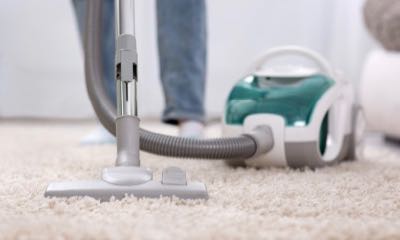
5. Vacuum Cleaner

It seems like the answer to a bad riddle: what makes things dirtier as it cleans? Vacuum cleaners.

They do a bang-up job of sucking up visibly grimy things like dust, hair, and food particles. But that can create a whirlwind of bacteria growth in the bag that can end up coming out the bottom. And the brushes (both the main brushes or rollers and the hose attachment brush) often contain E. coli and mold that you’re inadvertently spreading from rooms like the bathroom and kitchen to your living room and bedrooms.

The best ways to clean your cleaner? Opt for a bagless vacuum, as bags tend to promote more bacteria growth. (You can also purchase bags with antibacterial linings.) Open your bagless cylinder or bag compartment outside and throw the contents in the trash to avoid stirring up a cloud of bacteria. Then clean it out with a diluted bleach solution and allow to air dry after each use. Spray brushes with disinfectant after each use, too.

6. Gym Equipment

While working out regularly helps your health, the things you touch while doing so can make you sick.

A common place where germs hide is in polyester fabric, which is what most weightlifting gloves are made from. That leads to germs on every bar, plate, and free weight you use clinging to your gloves. So, be extra diligent in not touching your eyes, nose, or mouth when wearing them. Better yet, ditch the gloves to strengthen your grip and forearms.

If you’re more of a cardio person, you’re still at risk. Scary bacteria can hang out on your favorite cardio machine. To help protect yourself from possible illness:

  • Put a towel down on machines with seats.
  • Use hand sanitizer after using rowers, bikes, and other machines with handles.
  • Be courteous by wiping machines down after you use them.

7. All the Money (Purse, Wallet, Credit Cards, Bills, and Coins)

When it comes to payments changing hands, it’s not all about the Benjamins—it’s also about all the germs.

Paper money is just plain gross. It gathers germs from everything it touches, which is a lot of hands. And the surfaces of paper currency are fibrous, so it holds onto them. Researchers have shown that money (94 percent in one study) can carry viruses, skin bacteria, E. coli, salmonella, and even resistant staph.

If you choose to use plastic, you’re not much better off. Credit cards also rack up impressive germ collections. That’s because they’re also passed hand-to-hand. And all the nooks and crannies of a credit card provide hiding places for germs.

Given what you’ve just read, it’s probably not surprising that your wallet or purse are stuffed with germs. After all, that’s where you probably keep your money. And in the case of a purse, your mobile phone, too.

What can you do? You have to pay for important things like food. So, you can’t really avoid these hidden sources of germs. But you can wipe down your credit cards with antibacterial wipes. Same with your wallet and some surfaces of your purse. It’s harder to actually wash cash.

But the best thing you can do is wash your hands after contacting these items. And avoid touching your eyes, nose, or mouth while you’re shopping or after paying for anything with cash.

Clean Up the Hidden Sources of Germs

Scared yet? You don’t need to be. Identifying these hidden sources of germs helps you know where to focus extra cleaning energy. And using the house cleaning secrets you’ve read will help lessen your exposure to potentially harmful germs.

And it’s all about exposure. Being smart about where harmful germs are lurking is a good thing. But your immune system is also there to protect you. So, a combination of good cleaning practices (including these hidden sources of germs), and immune-boosting habits can help you stay healthy.

Almond in Shell - close-up

Upper Respiratory Tract Infections (URTI) can be caused by more than 200 different viruses, and it is estimated that the U.S. population suffers more than one billion colds a year (2-4 per average adult, 6-10 per average child). A number of lifestyle factors contribute to URTI risk, including poor nutrient status, lack of sleep, and stress. A new paper published in the British Journal of Sports Medicine adds exercise habits to the list of lifestyle factors affecting URTI risk.

1,023 subjects between 18 and 85 years of age were recruited for this study, with 1,002 individuals completing all study requirements. Subjects were selected from multiple BMI groups (roughly one-third were of normal weight, one-third were overweight, and one-third were obese) to ensure adequate representation. A comprehensive validated survey on lifestyle, diet, activity levels, stress, and URTI incidence and severity was completed by each study participant.

After controlling for potential cofounders, total days with URTI symptoms were 43-46% lower in the highest third of aerobic activity when compared to the lowest third, while URTI severity was reduced 32-41% for the high group. Low stress levels, high exercise frequency (≥5 days/week), and high fruit intake (≥3 servings/day) also correlated with reduced URTI incidence.

The exact mechanism by which aerobic exercise reduces URTI risk is still uncertain, although it appears to be a combination of factors, including transient increases of certain immune cell types, a reduction of stress hormones, and specialized benefits to key organs (particularly the lungs, which serve as a primary barrier against URTIs).

Nieman DC, Henson DA, Austin MD, Sha W. Upper respiratory tract infection is reduced in physically fit and active adults. Br J Sports Med. 2011;45(12):987-92.