Your Microbiome and Detox Organs Need Dietary Fiber
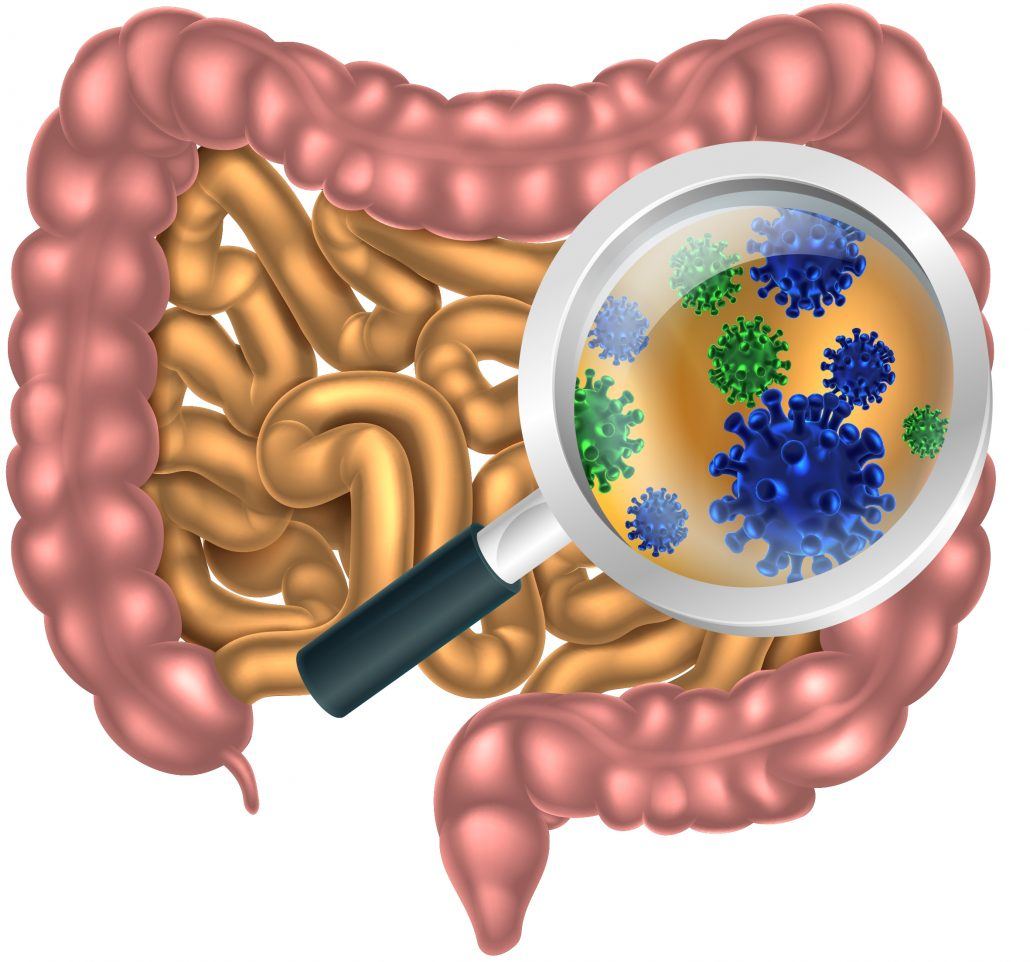
In your gut, you really are what you eat. Food plays a major role in shaping your microbiome—the collection of bacteria, fungi, yeast, and other microbes living in your digestive tract. Diet, lifestyle, exercise, stress, and your environment can all influence the makeup of your gut microbiome. Its health also depends in part on the nutrients you consume, including fiber.
Fiber is a group of indigestible carbohydrates that feed the growth of beneficial microbes. Research shows that eating a variety of fiber-rich foods helps diversify your microbiome. People with a more diverse array of gut microbes are often better able to respond to environmental challenges. Fiber’s benefits extend beyond the microbiome, helping support detoxification organs such as the liver and kidneys.
How Dietary Fiber Makes an Impact
Dietary fiber’s complex structure helps nourish beneficial microbes and support a more diverse microbiome. In turn, these microbes contribute to:
- Gut barrier function: Fermentable dietary fiber helps strengthen the gut barrier by supporting cell growth and specialization in the intestines. A stronger barrier makes it harder for bacteria and inflammatory compounds to reach the liver and kidneys, helping reduce inflammatory stress on these detox organs.
- Immune function: The gut contains up to 80 percent of your body’s immune cells, making the microbiome an important part of immune support.
- Endocrine (hormone) response: Gut microbes help influence hormone signaling that supports metabolism and other key body functions.
- Nitrogen metabolism: Fiber-fed microbes can use more nitrogen, which may help reduce the amount that reaches the kidneys.
- Signaling between the gut, liver, and kidneys: Microbial activity in the gut helps influence communication that affects liver and kidney function. Blood from your intestines travels to these detox organs, so shifts in microbial activity and diet can influence liver and kidney function.
More Good News for Your Liver
Along with supporting the activity of antioxidant and detoxification enzymes in your liver, dietary fiber has been shown to alter bile acid pools. These pools are involved in liver metabolism and in the absorption of fats and fat-soluble vitamins. Dietary fiber also supports the microbiota that help generate secondary bile acids.
Emerging research also links dietary fiber to the body’s fat-burning state, known as ketosis. Ketones can support antioxidant pathways like Nrf2. These play an important role in liver health, and fiber may mimic some of these same benefits.
Don’t Forget Your Kidneys
Reducing your kidneys’ nitrogen burden helps ease the amount of waste they need to filter. When dietary fiber feeds your gut microbes, it increases your gut’s ability to hold more nitrogen. Because nitrogen acts as a fertilizer for microbes, the microbiome uses more of the nitrogen produced. This may help keep excess nitrogen from reaching your kidneys.
Dietary fiber also helps protect your kidneys from other potential stresses. When there is not enough fiber fermenting in your colon, other substances may ferment instead. For example, when amino acids ferment, they can produce harmful compounds that place stress on the kidneys. To help support kidney health, keep your colon supplied with dietary fiber.
Feed Them Fiber
Dietary fiber plays a significant role in supporting good health. Everyone can do their detox organs a favor by consuming more fiber. Research shows that fiber can help protect liver and kidney health while supporting the important detoxification work these organs do. All it takes is giving your gut’s microbial tenants some dietary fiber.