Supplements that Pair with GLP-1s
Glucagon-like peptide-1, or GLP-1, is a naturally occurring hormone released from specialized cells in the intestine after eating. Its normal role is to help regulate blood glucose levels, appetite, and digestion.
When people refer to “GLP-1s,” they are usually referring to GLP-1 receptor agonists (GLP-1 RA), a class of medication that mimics the effects of the body’s natural GLP-1 hormone.
GLP-1s as Part of a Nutrition and Wellness Plan
GLP-1 medications were originally developed to help manage type 2 diabetes by supporting blood sugar regulation. They are now also used for chronic weight management in people with obesity or weight-related health concerns. They work by helping the body release insulin when blood sugar is elevated, reducing glucagon release, slowing stomach emptying, and increasing feelings of fullness.
One of the most important effects of GLP-1s is that they often change how much and how often a person eats. Reduced appetite can support weight loss and cardiometabolic health, but it can also make it harder to meet protein, fiber, fluid, and micronutrient needs. For that reason, GLP-1 therapy is intended to complement, not replace, healthy lifestyle habits, including consuming balanced, nutrient-dense meals, adequate protein, hydration, regular physical activity, behavioral changes, and ongoing medical monitoring. Dietary supplements may also support healthy lifestyle changes and everyday nutrition habits.
Before starting any dietary supplement while taking a GLP-1, people should review their medication list, medical history, lab values, and symptoms with a qualified healthcare professional.
Nutrition, Diet, and GLP-1s
Because GLP-1 medications reduce appetite and food intake, researchers have increasingly examined their impact on dietary patterns, nutrient intake, and overall nutrition. While GLP-1 therapies can be effective tools for weight management and often lead to lower calorie consumption, evidence suggests that diet quality may still fall below recommended levels. As a result, experts emphasize that successful long-term use of GLP-1 medications should be accompanied by comprehensive lifestyle changes, including adequate protein intake, a nutrient-dense and fiber-rich diet, proper hydration, regular physical activity, and strategies to maintain lean muscle mass.
While eating less food is often a component of weight loss, it is equally important that GLP-1 users, and anyone pursuing health and wellness goals, focus on nutrient quality and sustainable lifestyle habits.
- Prioritize protein: Include a source of protein with each meal, such as Greek yogurt, eggs, cottage cheese, fish, poultry, legumes, tofu, or other protein-rich foods. Aim to distribute protein intake throughout the day rather than consuming most protein at a single meal.
- Protect muscle mass: Engage in regular physical activity, including resistance training when appropriate, to help preserve lean muscle mass during weight loss.
- Maximize nutrient density: Because calorie intake is often reduced, prioritize vegetables, fruits, legumes, whole grains, nuts, seeds, seafood, and other minimally processed foods that provide essential nutrients.
- Pay attention to fiber and micronutrients: Fruits, vegetables, legumes, and whole grains can help support adequate intake of fiber, potassium, magnesium, vitamins, and beneficial phytonutrients.
- Stay hydrated: Adequate fluid intake is important, particularly for individuals experiencing nausea, constipation, or reduced food intake while using GLP-1 medications.
A food-first approach should remain the foundation of any nutrition strategy. Supplements are most useful when they help address a specific nutritional gap, reduced dietary intake, or a documented nutrient insufficiency.
Supplements to take with GLP-1s
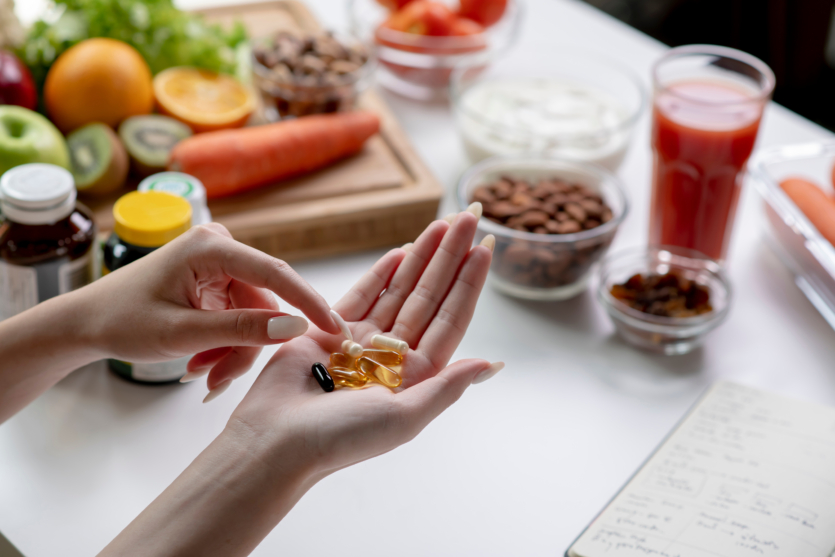
GLP-1 users may consider supplements when experiencing the following circumstances: reduced energy intake, occasional gastrointestinal symptoms, lean-mass loss, and potential micronutrient gaps. To address these issues, protein, creatine, HMB, multivitamins, vitamin D, omega-3 fatty acids, fiber, probiotics, and selected antioxidant may be discussed for supporting nutrition status, body composition, cardiometabolic health, and program tolerability.
Supplements can help address common nutrition gaps, but they should not replace medical monitoring, nutrition counseling, or individualized treatment advice. For most people using GLP-1s, the best supplements help support the common nutritional challenges that come with reduced appetite, lower food intake, and rapid weight loss.
Consider adding the following dietary supplements to your health and wellness routine:
Protein Powder
Protein powder is often one of the most useful supplements for people taking GLP-1 medications. These medications can reduce both fat mass and lean body mass, and many people struggle to consume enough protein because they feel full quickly. Maintaining adequate protein intake is therefore one of the most important strategies for preserving muscle during weight loss.
People taking GLP-1s should look for a quality protein supplement that meets protein targets, especially during active weight loss.
Comprehensive Multivitamin/Mineral Supplement
GLP-1 users often consume substantially fewer calories, which can increase the likelihood of suboptimal micronutrient intake over time. A daily multivitamin and mineral supplement may help fill nutritional gaps when food intake is consistently reduced, especially when intake of fruits, vegetables, dairy, whole grains, or other nutrient-dense foods is limited. Look for a vitamin and mineral supplement that includes:
- Vitamin D
- B vitamins
- Zinc
- Selenium
- Magnesium
- Iodine
Omega-3 (Fish Oil)
Omega-3 fatty acids have well-established benefits for supporting healthy triglyceride levels already in the normal range and cardiovascular health, thus making them a potentially beneficial addition to the daily routine of GLP-1 users.
When choosing a fish oil supplement, focus on the combined EPA and DHA content rather than the total fish oil amount, and look for products that have undergone third-party quality testing.
Vitamin D (if levels are low)
While vitamin D insufficiency is common in many people, obesity is associated with lower vitamin D status. Adequate vitamin D supports bone and muscle health, which can be especially important during rapid weight loss.
Talk with your doctor before starting vitamin D, because supplementation should ideally be guided by blood levels.
Fiber
GLP-1 medications slow digestion, so foods that are high in fat or very rich can sometimes sit in the stomach longer than expected. For some people, this can contribute to nausea, bloating, fullness, or general digestive discomfort. Slower digestion can also contribute to constipation, a common side effect for some people using GLP-1 therapy.
Soluble and fermentable fibers may help by adding bulk to stool, helping the intestines retain water, and supporting more regular bowel movements. Fiber may be especially helpful for people whose usual diet is low in fruits, vegetables, legumes, and whole grains. When fiber intake is low, the gut may have less microbial diversity and produce fewer short-chain fatty acids, which help support normal gut function and motility. Increasing fiber gradually can help create a better intestinal environment for managing the slower transit that can occur with GLP-1 therapy.
Other Supplements
While taking GLP-1s, consult your doctor about adding supplements to your diet:
- For people who are concerned about maintaining strength or lean body mass during GLP-1–associated weight loss, creatine and HMB may be worth discussing with a healthcare professional, especially if appetite is low or protein intake is difficult to meet consistently.
- Probiotics may be helpful for some people, especially if occasional digestive upset occurs or diet quality is limited.
- Magnesium to support regularity and muscle/nerve function.
- Electrolytes to support healthy hydration during periods of reduced food intake.
- Antioxidant supplements for GLP-1 users who are not consuming adequate daily servings of fruits, vegetables, and antioxidant nutrients such as vitamins C and E.
Supplement use while taking GLP-1s can help support the body as it adapts to reduced appetite, lower food intake, and weight loss. The most useful supplement strategy is one that addresses specific needs, helps minimize lean-mass loss, supports digestive comfort, and reinforces the health benefits of weight reduction without replacing a nutrient-dense eating pattern or medical monitoring.
References
https://pmc.ncbi.nlm.nih.gov/articles/PMC12685510/
https://www.nature.com/articles/s41574-018-0016-2
https://www.cell.com/cell-metabolism/fulltext/S1550-4131%2818%2930179-7
https://www.nejm.org/doi/pdf/10.1056/NEJMra2500106
https://www.nature.com/articles/s41392-024-01931-z
https://pmc.ncbi.nlm.nih.gov/articles/PMC7081944/
https://pmc.ncbi.nlm.nih.gov/articles/PMC12511252/
https://pmc.ncbi.nlm.nih.gov/articles/PMC12369429/
https://nutrition.org/nutritional-priorities-to-support-glp-1-therapy-for-obesity/
https://www.frontiersin.org/journals/nutrition/articles/10.3389/fnut.2025.1566498/full
https://www.mdpi.com/2673-4168/5/4/88
https://pmc.ncbi.nlm.nih.gov/articles/PMC12125019/
https://jamanetwork.com/journals/jamainternalmedicine/article-abstract/2836533