Tag Archive for: vitamins and supplements
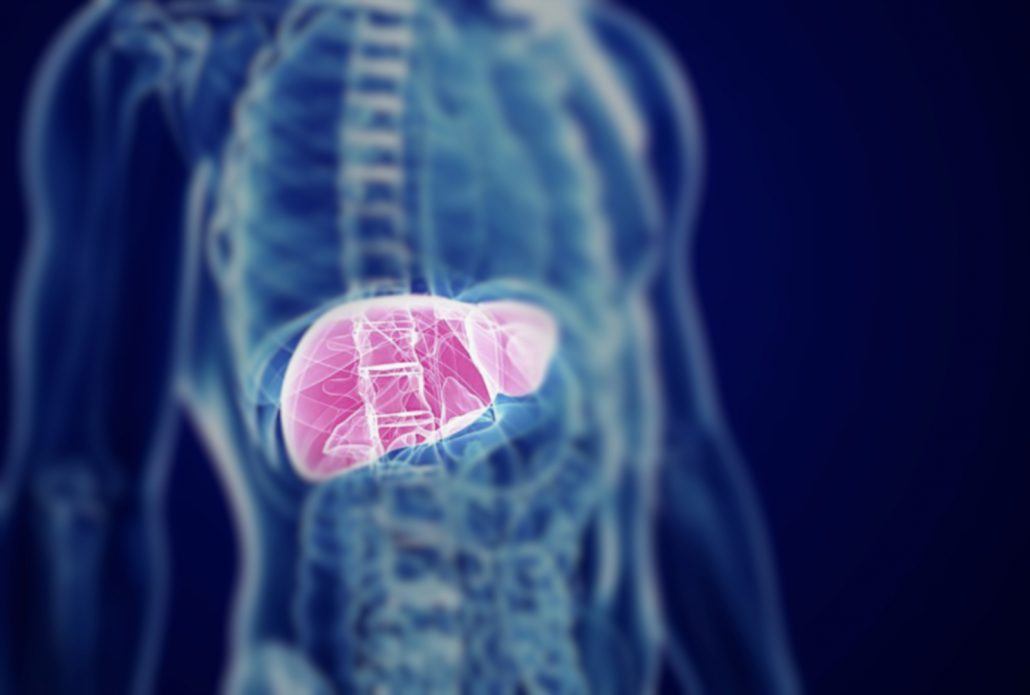
Higher omega-3 fatty acid intakes improve many aspects of liver health in individuals with non-alcoholic fatty liver disease.
Non-alcoholic fatty liver disease (NAFLD) involves the excess accumulation of liver fat in the absence of alcohol consumption. It is defined by the presence of fat in more than 5% of liver cells. NAFLD is now one of the most common liver diseases worldwide. In Western countries and some regions of China, the prevalence of NAFLD is 15–39%.
Progression of NAFLD is associated with many factors. Including insulin resistance, oxidative stress, obesity, type 2 diabetes, and cardiovascular disease. NAFLD is considered to be associated with an excess of omega-6 fatty acids and a deficiency of omega-3 fatty acids in the diet. Unchecked, NAFLD can lead to significant liver damage, cirrhosis and death.
A meta-analysis was published in Gastroenterology Research and Practice. The researchers selected ten randomized controlled studies. The studies were on the effects of omega-3 fatty acids on participants with NAFLD or non-alcoholic steatohepatitis (a more serious condition that can develop from NAFLD). The average dose of omega-3 was 2.85 grams per day, consumed for an average of 12 months.
Analysis of the trials revealed over three times the odds of improvement in liver fat levels in association with omega-3 intake in comparison to control subjects. It was also linked to greater reductions in the liver enzyme GGT (which is elevated in liver damage), and improvements in both high-density lipoprotein (HDL) and triglyceride levels when compared to control subjects.
Since there is presently no registered drug for the treatment of NAFLD, researchers stated that intake of omega-3 fatty acids may be a new treatment option for NAFLD.


In research published in the International Journal of Obesity, scientists evaluated the effects of multivitamin/mineral supplementation on body fat, energy expenditure, and lipid profiles in obese Chinese women. Subjects were divided into three groups, receiving either a multivitamin/mineral supplement (MMS), 162mg of calcium, or placebo daily. Body weight, BMI, waist circumference, fat mass, lean tissue, resting energy expenditure, blood pressure, fasting plasma glucose and serum insulin, total cholesterol, LDL and HDL cholesterol, and triglycerides were measured at the beginning and end of the study period.
After 26 weeks, the multivitamin/mineral group had significantly lower body weight, BMI, fat mass, total and LDL cholesterol, and significantly higher resting energy expenditure and HDL cholesterol than individuals in the placebo group. They were also more likely to have a reduced waist circumference. The calcium group also had significantly higher HDL cholesterol and lower LDL cholesterol levels compared with the placebo group.
The results suggest that multivitamin/mineral supplementation could help reduce body weight and obesity and improve serum lipid profiles in obese women, possibly through increased energy expenditure and fat oxidation.
The correlation between inadequate nutrient status and obesity was further strengthened in a new study involving mice. For 12 weeks, mice were given either a standard diet or one that was restricted to 50% of their micronutrient requirements. At the end of the study, the body weight of the mice with a nutrient restricted diet was 6% higher than the controls, and their body fat more than doubled.
References


The results of a clinical trial published in Arthritis Research and Therapy suggest that supplementing with glucosamine and taking regular walks can improve pain, physical function, and overall activity levels in adults with mild to moderate knee or hip osteoarthritis.
Thirty-six low-activity participants (aged 42 to 73 years) were provided with 1500 mg glucosamine sulfate per day for 6 weeks. At the end of six weeks, the participants began a 12-week progressive walking program (while continuing to take glucosamine.)
Study subjects were given a pedometer to monitor step counts. They were then randomized into two groups – one to walk 3 days per week, the other to walk 5 days per week. The length of the walk was gradually increased over the course of the program, with 6000 per day being the goal by the end of the 12-week period. Physical activity levels, physical function, and arthritis symptoms were analyzed at the beginning and at 6, 12, 18 and 24 weeks.
Physical activity levels, physical function, and pain assessment scores improved during the first 6 weeks of the study (glucosamine supplementation only.) Between the start of the walking program (week 6) and the final follow-up (week 24), further improvements were seen, though most improvements happened between weeks 6 and 12. No significant differences were observed between participants who participated in the 3 and 5 day per week programs.
In people with mild to moderate hip or knee osteoarthritis, walking a minimum of 3,000 steps (approximately 30 minutes) at least 3 days per week, in combination with glucosamine sulfate, may reduce some symptoms of osteoarthritis.


A study published in the British Journal of Sports Medicine examined the effects of glucosamine supplementation on functional ability and chronic knee pain in individuals with previous cartilage damage or osteoarthritis.
Subjects were randomly supplemented with either glucosamine or placebo for 12 weeks at a dose of 2,000 mg per day. Four testing sessions were conducted during the study. Changes in knee pain and function were determined by clinical and functional tests (joint line palpation, a 3 meter “duck walk,” and a repeated walking stair climb). Additionally, two different questionnaires were used to evaluate changes in pain.
The glucosamine group was found to have significantly better quality of life scores at weeks 8 and 12 than the placebo group. Based on self-report evaluations of changes during the 12 week supplementation period, 88% of the glucosamine group reported some degree of improvement in their knee pain versus only 17% in the placebo group.
These results suggest that glucosamine supplementation can provide some degree of pain relief and improved function in individuals who experience chronic knee pain due to previous cartilage damage or osteoarthritis. The results also suggest that at a dosage of 2,000 mg per day, the majority of improvements are apparent after eight weeks.