Tag Archive for: essential nutrients
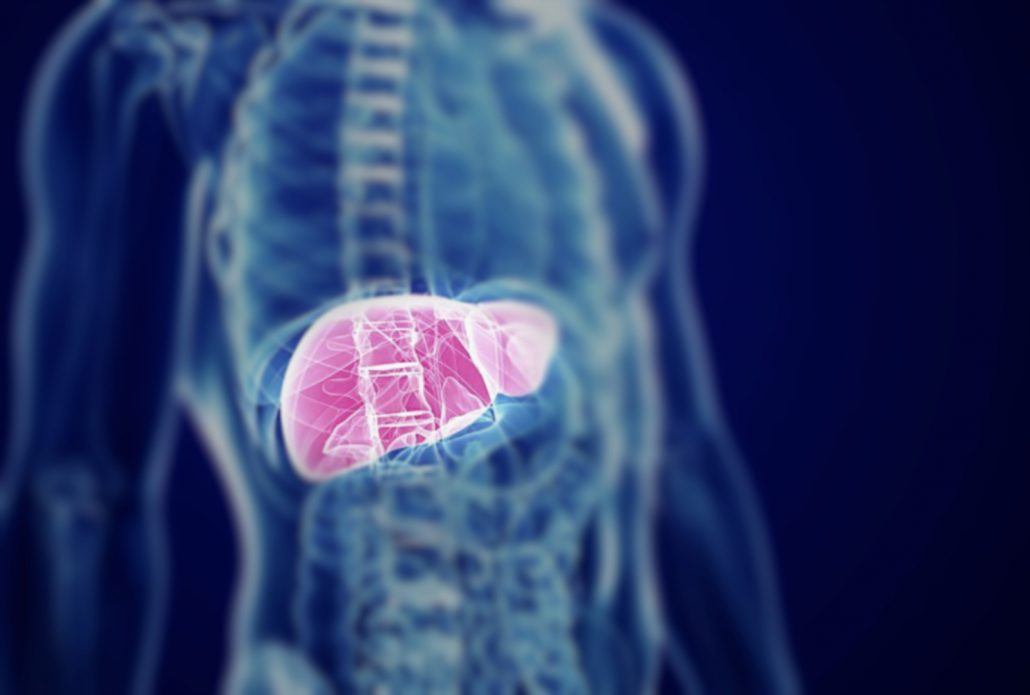
Higher omega-3 fatty acid intakes improve many aspects of liver health in individuals with non-alcoholic fatty liver disease.
Non-alcoholic fatty liver disease (NAFLD) involves the excess accumulation of liver fat in the absence of alcohol consumption. It is defined by the presence of fat in more than 5% of liver cells. NAFLD is now one of the most common liver diseases worldwide. In Western countries and some regions of China, the prevalence of NAFLD is 15–39%.
Progression of NAFLD is associated with many factors. Including insulin resistance, oxidative stress, obesity, type 2 diabetes, and cardiovascular disease. NAFLD is considered to be associated with an excess of omega-6 fatty acids and a deficiency of omega-3 fatty acids in the diet. Unchecked, NAFLD can lead to significant liver damage, cirrhosis and death.
A meta-analysis was published in Gastroenterology Research and Practice. The researchers selected ten randomized controlled studies. The studies were on the effects of omega-3 fatty acids on participants with NAFLD or non-alcoholic steatohepatitis (a more serious condition that can develop from NAFLD). The average dose of omega-3 was 2.85 grams per day, consumed for an average of 12 months.
Analysis of the trials revealed over three times the odds of improvement in liver fat levels in association with omega-3 intake in comparison to control subjects. It was also linked to greater reductions in the liver enzyme GGT (which is elevated in liver damage), and improvements in both high-density lipoprotein (HDL) and triglyceride levels when compared to control subjects.
Since there is presently no registered drug for the treatment of NAFLD, researchers stated that intake of omega-3 fatty acids may be a new treatment option for NAFLD.


Vitamin D’s role in bone health is widely known. But the essential vitamin also plays a role in muscle and skeletal function. This connection to physical performance was expanded in a study of people over 65.
The physical performance was analyzed using a short physical performance battery (SPPB) and handgrip strength. The SPPB tests included walking speed, standing from a seated position, and maintaining balance in progressively more challenging positions.
A majority of participants were low in vitamin D. Over 28 percent of the women and 13 percent of the men were vitamin D deficient. Nearly three-fourths of the women and over half of the men had insufficient vitamin D levels.
Those with low vitamin D levels had significantly lower physical performance and grip strength than participants with adequate levels. The finding remained valid after taking into consideration other factors. They included the season of the year and physical activity levels.
With the high prevalence of vitamin D deficiency in older populations, more studies about vitamin D status and physical function are needed. Current vitamin D recommendations are based on its role in bone health. But emerging research indicates vitamin D may also play important roles in preserving muscle strength, physical function, and other aspects of health.
The Journals of Gerontology Series A: Biological Sciences and Medical Sciences 62:440-446 (2007)

Athletes deficient in B-vitamins may perform worse during high-intensity exercise and have less ability to repair and build muscle than individuals with nutrient-rich diets.
B vitamins, including thiamin, riboflavin, B6, B12, and folate, are required by the body for proper conversion of proteins and sugars into energy. B vitamins are also utilized during the production and repair of cells, including red blood cells.
In a study, researchers analyzed both diet and athletic performance of several elite and collegiate athletes, as well as those of less competitive individuals. Even a marginal deficiency in these nutrients negatively influenced the ability of the athletes’ bodies to repair, operate efficiently, and fight disease. Exercise-induced stress, changes in body tissues resulting from training, increased loss of nutrients (in sweat, urine, and feces), and the additional nutrients needed to repair and maintain higher levels of lean tissue mass may all affect an individual’s B-vitamin requirements.
The researchers noted that current national B-vitamin recommendations for active individuals may be inadequate, and chronic deficiencies could jeopardize athlete’s abilities and long-term health. Athletes, as well as individuals with poor and restricted diets, should consider a multivitamin and multimineral supplement to ensure B-vitamin adequacy.
Kathleen Woolf; Melinda M. Manore. Int J Sport Nutr Exerc Metab 2006 16:453-484.