Understanding Processed Foods: A Quick Guide to the NOVA Food Classification System
You may have heard advice to limit ultra-processed foods as part of a healthy eating pattern. But “processed” does not automatically mean unhealthy, and not all processing is the same. The NOVA food classification system offers a practical way to understand how foods are processed and make more mindful choices.
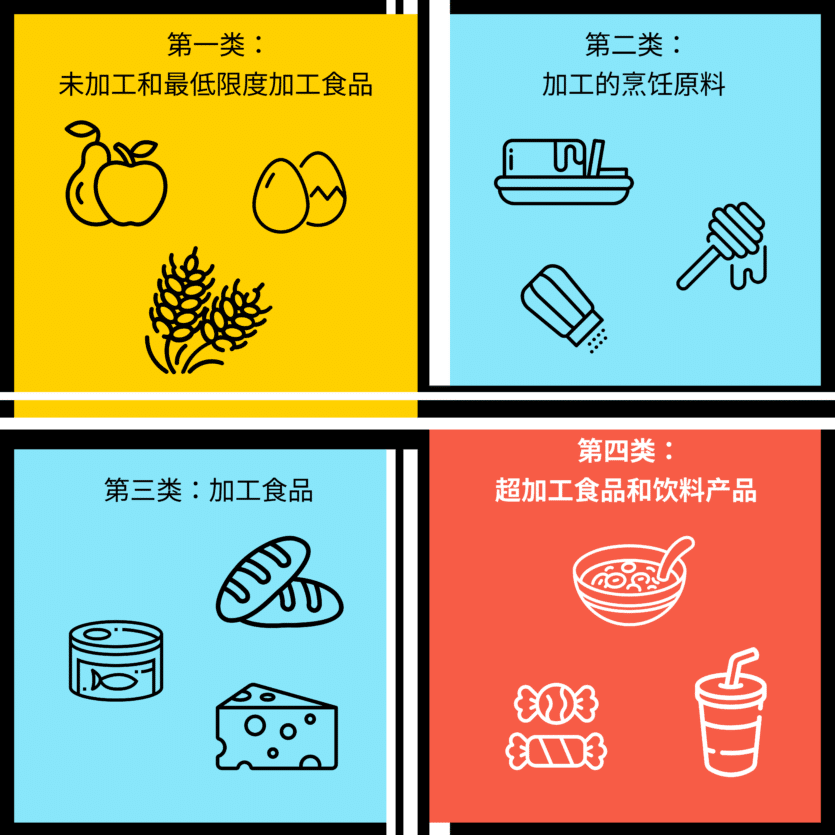
The system organizes foods into four groups, from least processed to most processed. Understanding these groups can help you compare foods more clearly without assuming that every processed item should be avoided.
Group 1: Unprocessed or minimally processed foods
These foods come directly from nature, including edible parts of plants and animals. They may be washed, dried, chilled, frozen, packaged, pasteurized, roasted, or ground, but they do not contain added ingredients that substantially change the food’s basic properties. Examples include fresh fruit, vegetables, beans, milk, eggs, grains, and plain coffee beans.
Group 2: Processed culinary ingredients
These are ingredients used to prepare, season, or cook foods from Group 1. They are usually extracted from foods or nature through processes such as pressing, refining, grinding, or drying. Examples include olive oil, butter, sugar, honey, and salt.
Group 3: Processed foods
Processed foods are typically made by adding Group 2 ingredients, such as salt, sugar, or oil, to Group 1 foods. These changes can improve flavor, extend shelf life, or make foods easier to store and use. Examples include canned vegetables, canned fish, fruit in syrup, cheese, and freshly made bread.
Group 4: Ultra-processed foods and drinks
Ultra-processed foods are industrial formulations made mostly from substances extracted from foods or created in laboratories. They often include additives such as colors, flavors, emulsifiers, or stabilizers to improve taste, texture, appearance, or shelf life. Whole foods may make up only a small part of the final product—or may be absent altogether, as in some “cherry-flavored” products.
Using these four categories can make processed foods easier to understand. Instead of thinking about processing as simply “good” or “bad,” the NOVA system helps you notice how much a food has changed from its original form.
Test your knowledge
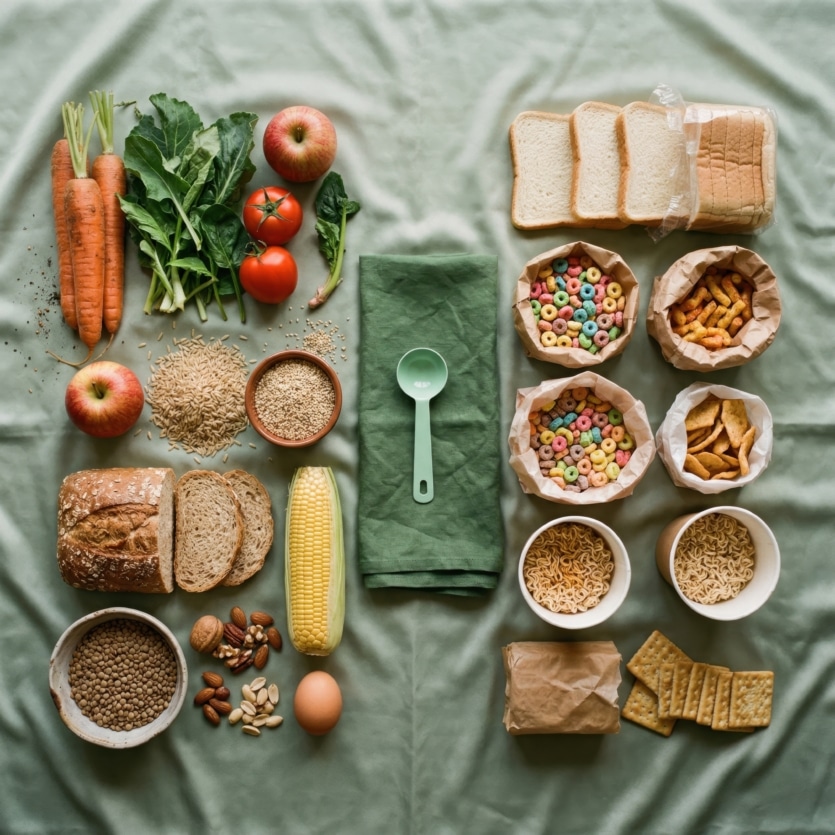
Now that you’ve reviewed the four categories, see if you can identify which group each food belongs to.